

Capybaras are often called the world’s friendliest rodents. These gentle giants are famous for their calm nature and unique social behavior. But living in the wild is not always peaceful for them. Many people ask: Do capybaras have natural predators? The answer is yes. While capybaras are skilled at surviving, they face dangers from several animals in their native South American habitats. Understanding who hunts capybaras, and how capybaras defend themselves, gives us a deeper look into their lives.
Where Capybaras Live
Capybaras live in South America, especially near water—rivers, lakes, swamps, and wetlands. Their countries include Brazil, Venezuela, Colombia, Argentina, and Peru. They love areas with thick grass and water, which help them hide and find food. Living near water is also important for escaping predators. Capybaras are excellent swimmers, and their webbed feet help them move quickly in water.
Major Predators Of Capybaras
Capybaras are prey for several strong animals. Here are the main predators that hunt capybaras in the wild:
1. Jaguars
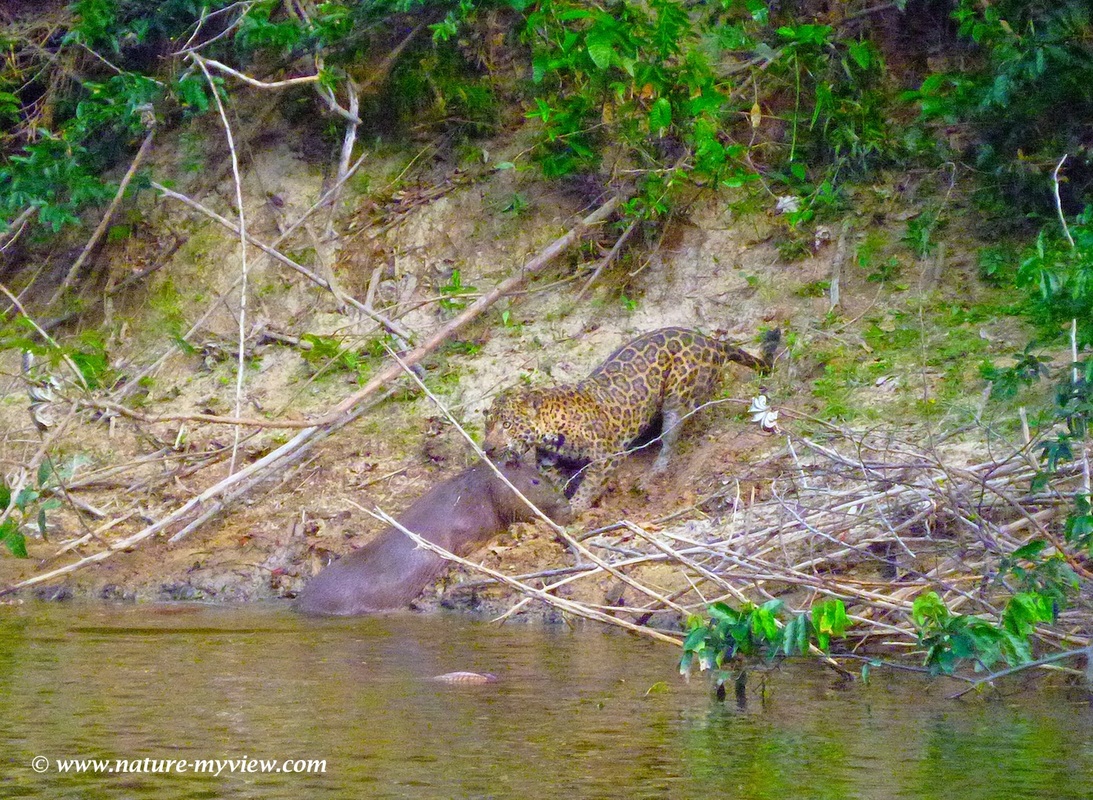
The jaguar is the largest cat in South America. Jaguars are powerful hunters and can take down animals much larger than themselves. They use stealth and strength, often attacking near water where capybaras gather. A jaguar’s bite is strong enough to kill with one strike.
2. Caimans
Caimans are relatives of alligators and crocodiles. They live in the same wetlands and rivers as capybaras. Caimans wait patiently in the water. When a capybara comes close, a caiman can attack quickly, grabbing the animal and pulling it underwater.
3. Anacondas
The green anaconda is one of the world’s largest snakes. These snakes can grow over 20 feet long. Anacondas attack silently in the water, using their powerful bodies to squeeze and drown their prey. Young capybaras are especially at risk.
4. Eagles And Large Birds
Some large birds, like the harpy eagle, hunt young capybaras. These birds have sharp talons and strong beaks. They usually target baby capybaras, which are easier to catch and carry away.
5. Ocelots
Ocelots are smaller wild cats that sometimes hunt capybara pups. While ocelots are not a big threat to adults, young capybaras are vulnerable if they wander away from the group.
6. Humans
Humans also hunt capybaras for their meat and skin. In some places, capybara meat is considered a delicacy. Habitat loss caused by farming and development adds another threat.

Credit: www.reddit.com
How Capybaras Defend Themselves
Capybaras are not fast runners, and they do not have sharp teeth or claws for fighting. However, they use other smart ways to survive:
- Group living: Capybaras live in groups of 10–20. Some groups are even larger. Living together helps them watch for danger. If one capybara spots a predator, it makes a loud warning sound, and the whole group runs for safety.
- Swimming: Capybaras are excellent swimmers. They can stay underwater for up to five minutes. If a predator appears, they dive into the water and hide.
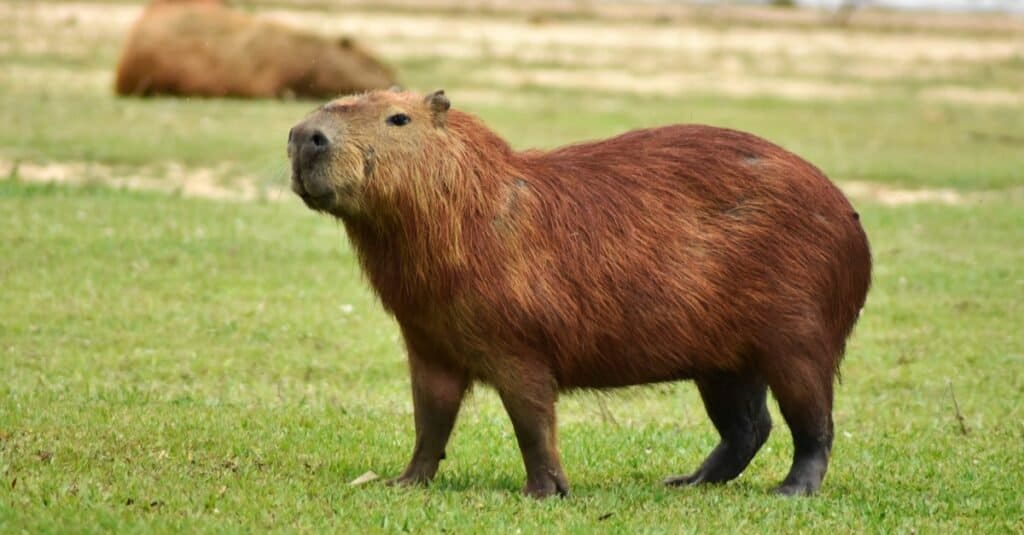
- Hiding in tall grass: Their brown fur blends with the grass, making it hard for predators to see them.
- Nocturnal activity: In areas with many predators, capybaras are more active at night to avoid being seen.
Capybara Life Cycle And Predation Risk
The life cycle of a capybara affects its risk from predators. Here is a comparison of the dangers for young and adult capybaras:
| Life Stage | Main Predators | Survival Strategies |
|---|---|---|
| Baby (Pup) | Eagles, ocelots, caimans, anacondas | Stay close to adults, hide in grass |
| Juvenile | Jaguars, caimans, anacondas | Group defense, swimming |
| Adult | Jaguars, caimans, anacondas, humans | Swimming, group alerts, hiding |
A non-obvious fact: Capybara pups are most at risk in the first few weeks of life. Up to 50% of baby capybaras do not survive their first year due to predators.
Credit: www.nature-myview.com
Capybara Predation: Data And Examples
Scientists have studied capybara predation in the wild. In the Pantanal region of Brazil, jaguars are the main predator. Research shows that in some areas, about 30% of a jaguar’s diet comes from capybaras. In the Llanos of Venezuela, caimans and anacondas are more common threats.
Here’s a quick look at predator presence by region:
| Region | Common Predators | Capybara Defense |
|---|---|---|
| Pantanal (Brazil) | Jaguars, caimans | Large groups, swimming |
| Llanos (Venezuela) | Anacondas, caimans, eagles | Night activity, grass hiding |
| Amazon basin | Jaguars, anacondas | Underwater hiding, group alarms |
Another insight: Capybaras are most likely to survive in areas with many hiding places near water. Open fields without water nearby are much more dangerous for them.
Impact Of Predation On Capybara Populations
Predators play a key role in controlling capybara numbers. In areas where jaguars are rare, capybara populations can increase quickly. Too many capybaras can cause problems, like eating too much grass and harming the ecosystem. Predators help keep nature balanced.
Humans have also changed the natural balance. In some regions, hunting and farming have reduced predator numbers. This has led to larger capybara groups, which sometimes compete for food and space with farm animals.
Credit: a-z-animals.com
Capybaras In Captivity
In zoos or as pets, capybaras do not face their natural predators. This can lead to longer lives. However, it also means they do not practice their natural defense behaviors as much. They rely on humans for safety and food.
Some experts think that without the challenge of predators, capybaras in captivity may become less alert and active.
Frequently Asked Questions
Do Capybaras Get Along With Other Animals?
Yes, capybaras are known for their friendly nature. In the wild, they share habitats with many animals. In captivity, they often get along with other species, like ducks, dogs, and even cats.
How Many Capybaras Are Killed By Predators Each Year?
There is no exact number, but studies suggest that up to half of all baby capybaras are lost to predators in their first year. Adult deaths are less common, but still happen, especially in areas with many jaguars or caimans.
Can Capybaras Defend Themselves Against Predators?
Capybaras mainly use escape and group alerts to avoid predators. They are not aggressive fighters. Their best defense is swimming, hiding, and staying in groups.
What Is The Biggest Threat To Capybaras Today?
While natural predators are still important, habitat loss and human hunting are becoming bigger threats. Farms and cities are taking over their homes, and hunting for meat still happens in some regions.
Where Can I Learn More About Capybara Predators?
For more detailed information on capybaras and their predators, visit the Wikipedia page on capybaras.
Capybaras are peaceful animals, but their lives in the wild are full of challenges. Understanding their predators and survival strategies shows just how remarkable these animals are. With the right balance of nature, capybaras continue to thrive in South America’s wetlands, always alert and ready for the next adventure.


