

Capybaras are often called “nature’s chillest animals,” but their love for water is what makes them truly unique. If you have ever seen a video of these gentle giants relaxing in a pond, you might wonder, do capybaras like water?
The answer is a big yes—but there’s much more to the story. This article explains why water is so important for capybaras, how it shapes their daily lives, and what you need to know if you want to keep them happy and healthy.
The Capybara’s Natural Habitat
Capybaras live in South America in areas full of rivers, lakes, and wetlands. They are the largest rodents in the world, sometimes reaching up to 66 kilograms (about 145 pounds). These animals are almost always found near water. In countries like Brazil, Venezuela, and Colombia, you can spot them lounging in the mud or swimming in slow-moving streams.
Their bodies are built for both land and water. They have slightly webbed feet, which help them paddle. Their eyes, ears, and nose are placed high on their heads so they can see and breathe while the rest of their body stays underwater.
This design shows just how important water is to their lifestyle.
Why Do Capybaras Love Water?
Water is not just for drinking. For capybaras, it is the center of their world. Here’s why:
- Temperature Control: South America can get very hot. Capybaras use water to cool off and avoid overheating. If they get too hot, they can become stressed or even sick.
- Protection from Predators: When danger comes, capybaras dive underwater. They can hold their breath for about five minutes, hiding until the threat is gone.
- Social Life: Capybaras are social animals. They often swim and play together in groups. Water is a place for bonding, grooming, and even raising babies.
- Skin Health: Staying wet helps protect their skin from sunburn and insects. Mud and water also help them keep clean and free from pests.

Credit: nerdist.com
Capybaras In The Wild Vs. Captivity
Capybaras in the wild have access to rivers and lakes every day. In captivity, things are different. Zoos, farms, and private owners must provide safe water areas for them to swim, soak, and cool off.
Here’s a comparison of their water needs:
| Environment | Water Access | Behavior |
|---|---|---|
| Wild | Natural rivers, lakes | Swimming, diving, escaping predators |
| Captivity | Artificial pools, ponds | Swimming, socializing, cooling off |
Without water, captive capybaras can become stressed and unhealthy. Owners must make sure water is always available and clean.
How Capybaras Use Water Daily
A typical day for a capybara includes several visits to the water. Early in the morning and late in the afternoon, they like to take long soaks. During the hottest part of the day, they spend more time in the water and less on land.
Here’s a sample day:
| Time of Day | Common Water Activity |
|---|---|
| Morning | Soaking, drinking |
| Midday | Swimming, hiding from sun |
| Evening | Grooming, social play |

Credit: www.gvi.co.uk
What Science Says About Capybaras And Water
Research shows that capybaras spend up to 60% of their day in or near water. Scientists believe this is one reason why capybaras have such calm personalities—they can relax and feel safe in water.
A study from the Brazilian Journal of Biology found that capybaras with regular water access are healthier and less aggressive. Their heart rates are lower, and they show fewer signs of stress.
Capybara Water Activities
Capybaras are not just passive swimmers. They do many things in water, including:
- Swimming: Capybaras are strong swimmers and can cross wide rivers.
- Diving: They dive to escape predators or search for underwater plants.
- Playing: Young capybaras love to chase and splash each other.
- Grooming: Adults often clean themselves and others while soaking.
If you watch capybaras, you’ll see that each animal has its own favorite water activity. Some like to float, others stay underwater for long periods.
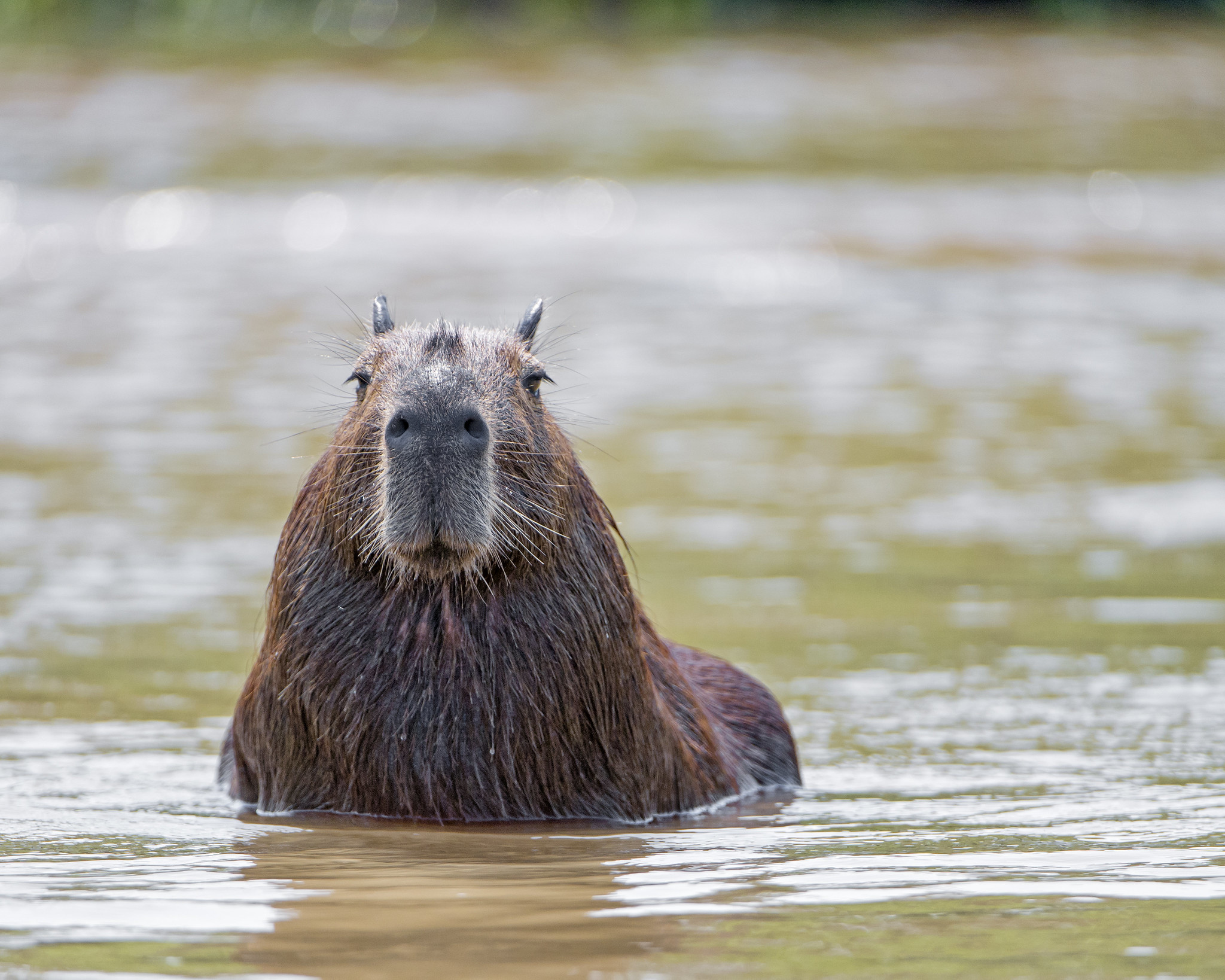
Credit: blog.nature.org
Tips For Capybara Owners
If you are thinking about keeping a capybara, you must understand their need for water. Here’s what to keep in mind:
- Provide a large pool or pond: It should be deep enough for swimming and diving.
- Keep the water clean: Dirty water can cause infections and skin problems.
- Offer shade near the water: This helps prevent overheating.
- Allow group access: Capybaras are social, so let them swim together.
- Watch for signs of stress: If a capybara avoids water, it may be sick or unhappy.
It’s also important to check local laws, as capybaras are not legal pets everywhere.
Surprising Facts About Capybara And Water
Many people don’t know that:
- Capybaras can sleep in water, keeping their noses just above the surface.
- They sometimes use water to escape not just predators, but also the heat from the midday sun.
- In some Japanese zoos, capybaras are famous for enjoying hot baths in winter, showing their love for water in all seasons.
Common Mistakes People Make
Beginners often think a small tub or kiddie pool is enough. Capybaras need much more space. Another mistake is forgetting to change the water often. Stagnant water can attract bacteria and parasites.
Some owners believe capybaras can live well without water if the weather is cool. This is not true; water is vital for their mental and physical health year-round.
Capybara Water Needs Compared To Other Animals
To see just how special capybaras are, compare their water needs with those of other common pets:
| Animal | Water for Swimming Needed? | Typical Behavior |
|---|---|---|
| Capybara | Yes, essential | Soaking, swimming daily |
| Guinea pig | No | Stays dry, only drinks water |
| Dog | Optional | Some like to swim, others avoid water |
| Duck | Yes, but for preening and feeding | Floating, diving for food |
This comparison shows that capybaras are closer to aquatic animals than most rodents or pets.
Frequently Asked Questions
Why Do Capybaras Spend So Much Time In Water?
Capybaras use water to cool down, escape predators, and enjoy social activities. Their bodies are designed for swimming, making water a safe and comfortable environment.
Can Capybaras Live Without Water?
No, capybaras need regular access to water to stay healthy. Without it, they can become stressed, sick, or even die.
Is It Safe For Capybaras To Swim In Cold Water?
Capybaras prefer warm water but can handle cooler temperatures for short periods. In very cold climates, heated pools or indoor water access may be needed.
How Deep Should A Capybara’s Pool Be?
A pool should be deep enough for capybaras to submerge completely—at least 60 cm (about 2 feet). Larger groups need bigger pools.
Where Can I Learn More About Capybaras?
You can find more information at the Wikipedia Capybara page, which covers their behavior, habitat, and care.
Capybaras and water are nearly inseparable. Whether in the wild or in your backyard, these animals need water not just to survive, but to thrive. Understanding their love for water is key to appreciating why capybaras are some of the most fascinating creatures on Earth.


