

Capybaras often capture people’s imagination with their calm nature and unique appearance. These giant rodents are native to South America, but in recent years, many Floridians have wondered: do capybaras live in Florida? This question is more than just curiosity. Florida’s climate, wildlife, and history with non-native species make it an ideal place to explore this topic. Let’s take a closer look at the facts, myths, and realities of capybaras in the Sunshine State.
What Are Capybaras?
Capybaras are the largest rodents in the world. Adults can weigh between 77 and 146 pounds (35–66 kg) and measure up to 4 feet (1.2 meters) long. They have webbed feet, short fur, and a barrel-shaped body. Capybaras are semi-aquatic, spending much of their time in water to stay cool and avoid predators. They live in groups, often near rivers, lakes, or marshes.
These animals are native to South America, especially countries like Brazil, Venezuela, and Colombia. They eat grasses and aquatic plants and are known for their gentle and social personalities.
Capybaras In Florida: Fact Or Fiction?
Many people ask if capybaras truly live in Florida, or if sightings are just rumors. The truth is a mix of both. Capybaras are not native to Florida, but there have been verified sightings and reports of small populations living in the wild.
How Did Capybaras Arrive In Florida?
Capybaras first appeared in Florida through the exotic pet trade. Some escaped from private owners or small zoos. The most documented case happened in the 1990s, when a group escaped from a research facility in Alachua County. Over time, these animals adapted to the wild and started to reproduce.
Where Are Capybaras Found In Florida?
Most wild capybara sightings in Florida come from the north-central region, especially near Gainesville in Alachua County. There have also been reports from areas near the Ocklawaha River and some wetlands close to Orlando. However, the populations are still small and localized.
Can Capybaras Survive In Florida?
Florida’s subtropical climate is similar to the capybara’s native habitat. The state has plenty of freshwater sources and wetlands, which provide the food and shelter capybaras need. The main factors that allow them to survive include:
- Warm temperatures year-round
- Abundant water bodies
- Plenty of vegetation for food
However, Florida is also home to alligators and large snakes, which are natural predators for capybaras. This keeps the capybara population from growing quickly.
Are Capybaras An Invasive Species In Florida?
An invasive species is an animal or plant that spreads in a new area and causes harm to the environment, economy, or human health. Capybaras in Florida are not currently considered a major invasive threat. Their numbers are low, and there is little evidence they are damaging ecosystems.
Still, experts are watching closely. Florida has a history of invasive species, such as Burmese pythons and nutria, causing major problems. If capybaras start to reproduce more and spread, they could compete with native wildlife for food and habitat.
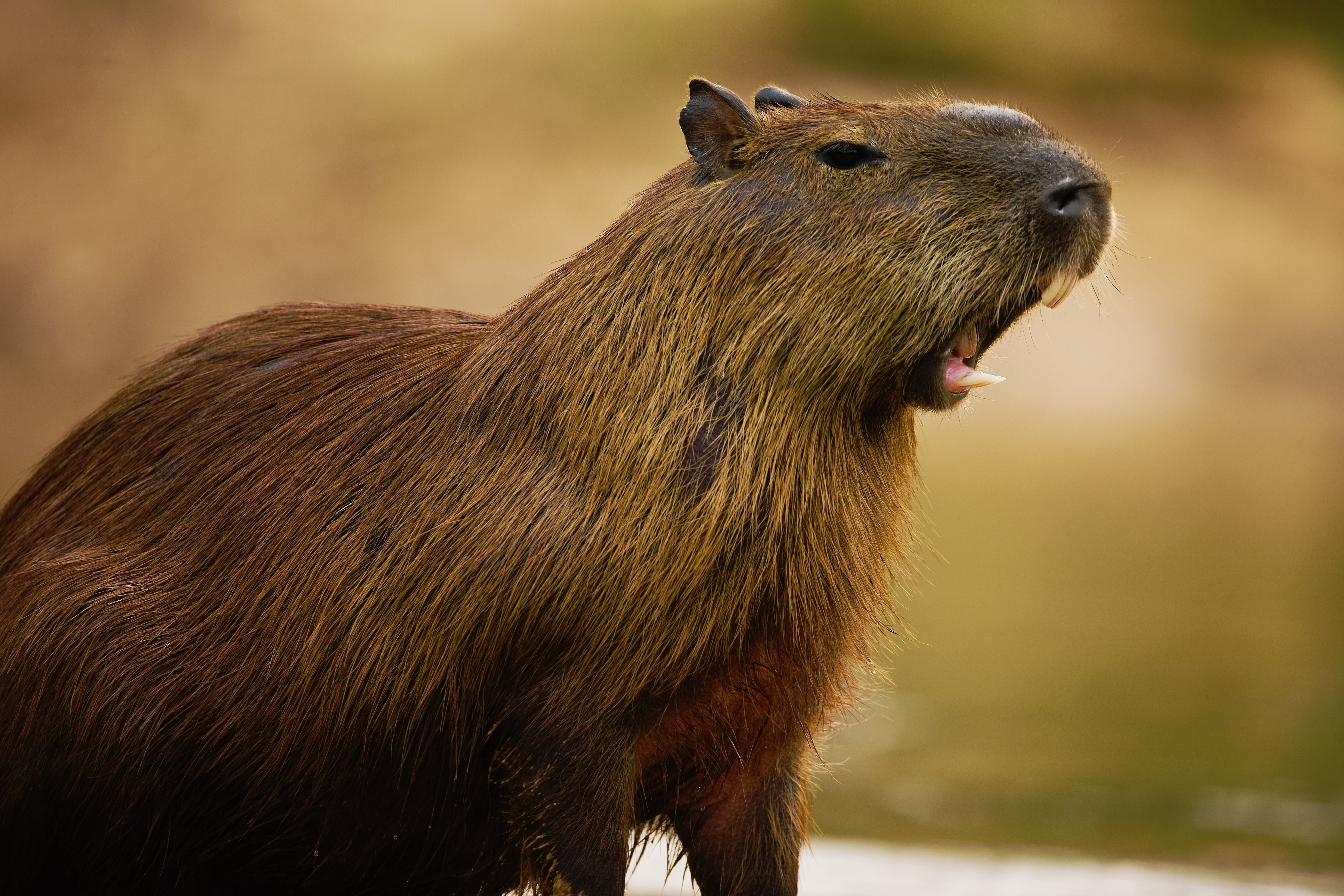
Credit: www.mentalfloss.com
Capybaras As Pets In Florida
Some people keep capybaras as exotic pets. In Florida, owning a capybara is legal, but you need a Class III wildlife permit from the Florida Fish and Wildlife Conservation Commission (FWC). Owners must show they can provide proper care, space, and safety for the animal.
Capybaras are social and need lots of water and room to roam. They can be challenging pets because they require a group of their own kind, special diets, and large, secure enclosures. Escaped pets are one reason small wild populations exist in Florida today.
Capybaras Vs. Other Non-native Animals In Florida
Florida is famous for its non-native wildlife. Here’s a quick comparison of capybaras and other established non-native species in Florida:
| Species | Native Region | Status in Florida | Environmental Impact |
|---|---|---|---|
| Capybara | South America | Small, localized populations | Currently low |
| Burmese Python | Southeast Asia | Widespread in Everglades | High – eats native wildlife |
| Nutria | South America | Present in wetlands | Moderate – damages plants |
| Green Iguana | Central/South America | Large populations | Moderate – damages gardens |
As you can see, capybaras are not yet a major problem compared to other species. Still, their presence is being monitored.

Credit: storymaps.arcgis.com
Capybara Sightings: Data And Trends
Wild capybara sightings in Florida are rare but increasing slowly. According to the Florida Fish and Wildlife Conservation Commission, there have been about 50–60 confirmed reports since the 1990s. Most of these animals are found near water, such as lakes or swamps.
A typical sighting is described as a large brown rodent swimming or grazing near water. Many people mistake them for beavers or otters until they see the size difference.
Here’s a simple look at capybara sightings by region:
| Region | Number of Sightings (est.) | First Reported |
|---|---|---|
| North-Central Florida | 30+ | 1995 |
| Central Florida | 15 | 2002 |
| South Florida | 5 | 2007 |
Most capybaras live and move in groups of 2–10. A key insight: the real population may be a bit larger, since capybaras are shy and spend much time hidden in thick vegetation.
Risks And Benefits Of Capybaras In Florida
Capybaras are not aggressive and rarely cause problems for humans. But there are a few things to consider:
Risks
- Crop damage: Capybaras eat grass and sometimes crops, which could affect farmers if populations grow.
- Disease: Like other rodents, capybaras can carry parasites, though current risk is low.
- Ecosystem balance: If they become more common, they might compete with native animals for food.
Benefits
- Tourism: Capybaras are unique and could attract wildlife enthusiasts.
- Ecosystem role: They eat aquatic plants, which could help balance certain wetland areas.
Two non-obvious insights:
- Capybaras may help control invasive water plants, which can become a problem in some Florida wetlands.
- Because they are social animals, lone capybaras seen in the wild are often escapees still looking for a group, rather than part of a stable wild population.

Credit: www.reddit.com
What To Do If You Spot A Capybara In Florida
If you see a capybara in the wild, do not try to catch or feed it. Instead:
- Keep a safe distance and observe quietly.
- Take a photo if possible for documentation.
- Report the sighting to the Florida Fish and Wildlife Conservation Commission. This helps scientists track the species.
Wild capybaras are not dangerous, but they are still wild animals and should be respected.
Frequently Asked Questions
Are Capybaras Legal To Own In Florida?
Yes, but you need a Class III wildlife permit from the FWC. Proper care and secure enclosures are required by law.
Do Capybaras Pose A Danger To Native Wildlife?
At current numbers, capybaras are not a major threat. However, large populations could compete with native animals for food and space.
Where In Florida Are Capybaras Most Likely Found?
Most sightings are in north-central Florida, especially around Alachua County and nearby wetlands.
Can Capybaras Become A Big Problem Like Pythons?
So far, capybara numbers are small. Unlike pythons, they have not spread widely or caused ecosystem harm. Experts continue to monitor the situation.
How Can I Tell A Capybara From A Beaver Or Nutria?
Capybaras are much larger than beavers or nutria and have a more rounded face. They also lack the flat tail of a beaver.
Capybaras in Florida are a rare but real phenomenon. While not native, they have found small areas where they can survive. With proper monitoring and responsible pet ownership, Florida can avoid the mistakes made with other invasive species. For more information on capybara populations worldwide, visit Wikipedia. If you ever spot a capybara in the wild, enjoy the sight, but remember to respect wildlife and report your observation to help protect Florida’s unique ecosystem.


