

Many people are curious about whether capybaras—the world’s largest rodents—live in Ohio. Maybe you saw a capybara on social media, or heard about exotic pets in your neighborhood. Capybaras are friendly, gentle animals, and they capture attention with their calm nature and social behavior. But are they part of Ohio’s wildlife or do they only exist as pets here? This article explores the facts, regulations, sightings, and the reality of capybaras in Ohio. You’ll also find practical comparisons and answers to common questions.
Capybaras In The Wild: Native Range And Habitats
Capybaras are native to South America. They live in countries like Brazil, Venezuela, Colombia, and Argentina. Their natural habitat is wetland areas—rivers, lakes, and marshes. The climate is warm and humid, with lots of water for swimming and grazing.
Ohio’s climate is very different. Winters are cold, and the landscape is mostly forests and farmland. Capybaras cannot survive freezing temperatures, so they do not live in the wild in Ohio. There have been no official records of wild capybara populations in the state.
Capybaras As Pets In Ohio
While capybaras are not wild animals in Ohio, some people keep them as exotic pets. Ohio allows ownership of capybaras, but there are important rules. The state’s exotic animal laws are strict, especially after the famous 2011 Zanesville animal incident. Capybaras are classified as “non-dangerous” exotics, but owners must follow local regulations.
Requirements For Keeping Capybaras
- Owners must check city and county laws.
- Proper enclosures are needed: Capybaras need space, water, and shelter from cold.
- Veterinary care is essential, but few Ohio vets have capybara experience.
- Capybaras are social, so keeping at least two is recommended.
Most capybara pets in Ohio are found in private homes or small animal sanctuaries. According to pet registry data, fewer than 50 capybara pets are estimated in Ohio as of 2024.
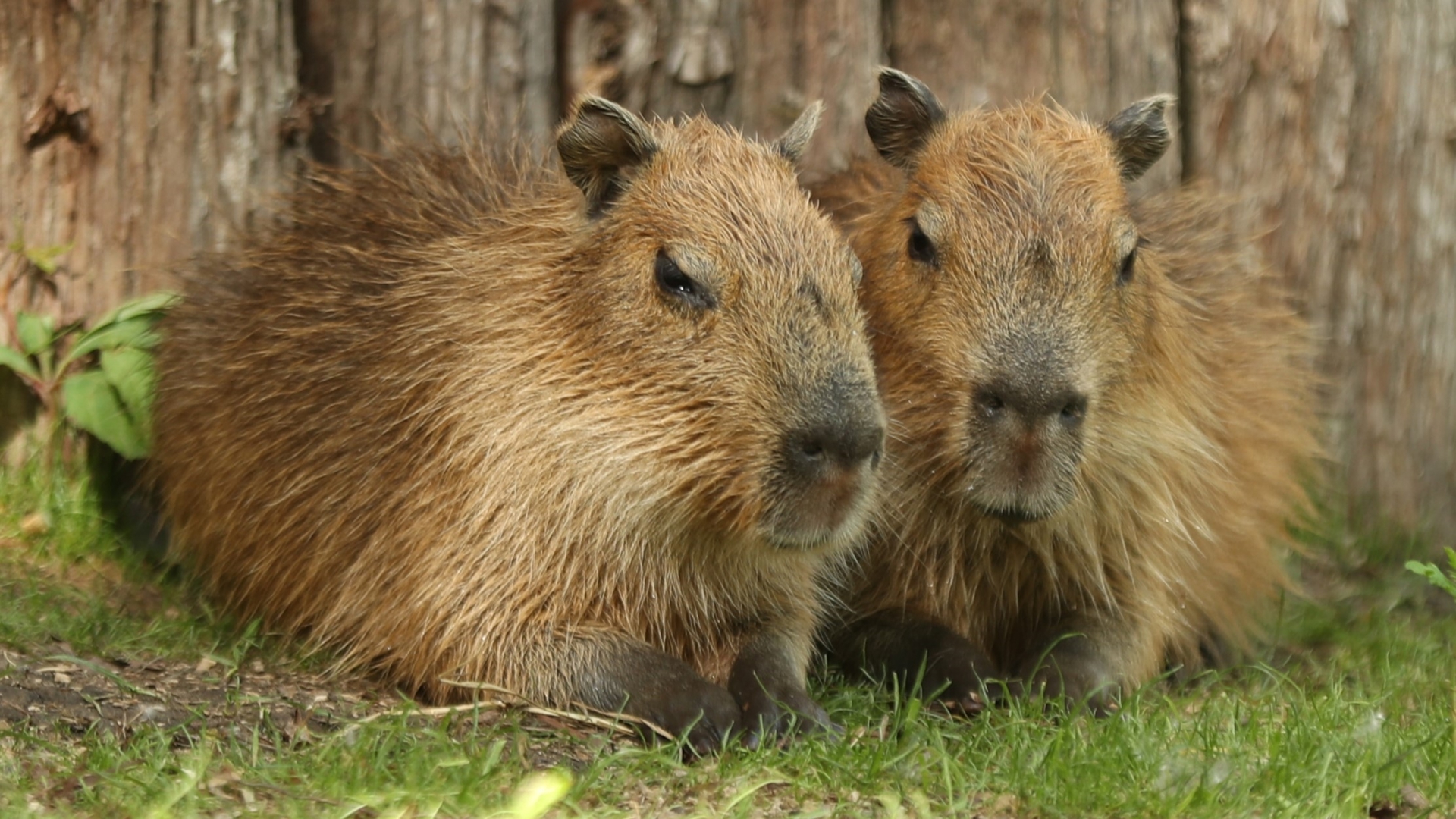
Credit: www.wtol.com
Comparison: Capybaras Vs. Ohio Native Wildlife
Let’s compare capybaras to similar Ohio animals to understand why capybaras don’t live wild here.
| Animal | Native to Ohio? | Habitat Needs | Winter Survival |
|---|---|---|---|
| Capybara | No | Warm wetlands, water access | Cannot survive below 40°F |
| Beaver | Yes | Streams, ponds, forest | Survives freezing temps |
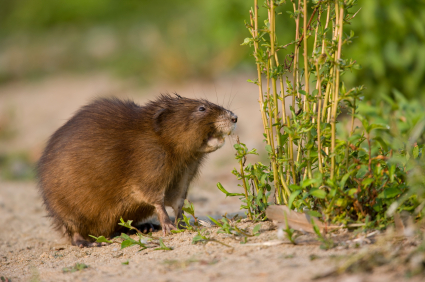
| Muskrat | Yes | Marshes, rivers | Adapts to cold winters |
Capybaras need warm weather year-round, unlike beavers and muskrats, which thrive in Ohio’s cold winters.
Capybara Sightings And Escape Incidents
Sometimes capybaras escape from homes or zoos. In 2022, a capybara escaped from a pet owner in Cincinnati and was spotted near a local park. Police and animal control caught it safely, but these cases are rare. News reports show only a handful of escape incidents in Ohio over the past decade.
Unlike wild animals, escaped capybaras do not establish populations. They cannot survive Ohio’s winter, so escapees are either caught or do not last long outside.

Credit: majesticmeadowsalpacas.com
Legal And Ethical Considerations
Owning a capybara is not as simple as keeping a cat or dog. Ohio’s laws are detailed:
- Capybaras are not banned, but permits may be needed for breeding or selling.
- Some cities, like Columbus and Cleveland, restrict exotic pets.
- Owners must ensure animal welfare and public safety.
Ethically, capybaras need proper care and companionship. Many beginners miss two important points:
- Capybaras can get depressed if kept alone. They are highly social.
- They need water for swimming daily, not just a small pond.
If you cannot provide these, owning a capybara in Ohio is not recommended.
Capybara Care Challenges In Ohio
Caring for a capybara in Ohio brings extra challenges because of the climate and access to resources.
| Challenge | Solution |
|---|---|
| Cold winters | Heated indoor enclosures |
| Veterinary care | Find exotic animal specialists |
| Social needs | Keep two or more capybaras |
| Diet | Provide hay, fresh greens, pellets |
Many beginners forget that capybaras eat a lot: about 6-8 pounds of food daily. They also need clean, fresh water for swimming and drinking.
Credit: www.crittercontrol.com
Capybara Population Data And Trends
There is no wild capybara population in Ohio. According to exotic pet registries and animal control reports:
- Estimated capybaras in private homes: Fewer than 50 (2024)
- No wild capybara sightings confirmed by state wildlife officials
- No breeding populations found
Nationally, capybara ownership is growing, but Ohio remains a minor state for capybara pets compared to places like Florida and Texas.
Capybaras In Ohio Zoos And Sanctuaries
A few zoos and sanctuaries in Ohio keep capybaras for educational purposes. The Cincinnati Zoo and the Columbus Zoo both have capybaras on display. These animals live in controlled, heated enclosures, and staff provide expert care.
Visiting a zoo is a safe way to see capybaras in Ohio. You can learn about their habits, social behavior, and conservation status. Zoos also teach about responsible exotic pet ownership.
Capybara Ownership Compared To Other Exotics
How does owning a capybara compare to other exotic pets in Ohio?
| Exotic Animal | Permit Needed? | Care Difficulty | Social Needs |
|---|---|---|---|
| Capybara | Sometimes | High | Very social |
| Ferret | No | Medium | Social |
| Python | Yes | Medium-High | Solitary |
| Fox | Yes | High | Social |
Capybaras require more space and care than smaller exotics. Their social needs are much higher, making them less suitable for beginners.
Frequently Asked Questions
Do Capybaras Live In The Wild In Ohio?
No, capybaras do not live wild in Ohio. The climate is too cold, and there are no natural populations.
Can I Own A Capybara As A Pet In Ohio?
Yes, you can own a capybara in Ohio if you follow state and local laws. Some cities require permits or restrict exotic pets.
How Many Capybaras Are In Ohio?
Fewer than 50 capybaras are estimated to be kept as pets in Ohio as of 2024. There are no wild populations.
Where Can I See A Capybara In Ohio?
You can see capybaras at the Cincinnati Zoo or Columbus Zoo. Some animal sanctuaries also have capybaras.
What Are The Main Challenges Of Owning A Capybara In Ohio?
The biggest challenges are cold winters, finding exotic vets, and meeting their social and swimming needs.
Capybaras are fascinating animals, but they are not part of Ohio’s wild landscape. If you want to meet one, visit a zoo or sanctuary. If you plan to own one, study the requirements and make sure you can care for these gentle giants. For more information on exotic animal laws, you can visit Wikipedia.
Understanding the real facts will help you make safe, ethical, and informed choices—whether you’re an animal lover or just curious about capybaras in Ohio.


