

Capybaras are often seen as gentle giants of the rodent world. Their friendly nature and unique appearance make them popular in internet memes and animal videos. But there’s much more to these animals than their cute faces. One common question is whether capybaras live in rainforests. The answer isn’t as simple as a yes or no. To understand where capybaras truly belong, it’s important to look at their natural habitat, behavior, and how they interact with their environment.
The Natural Habitat Of Capybaras
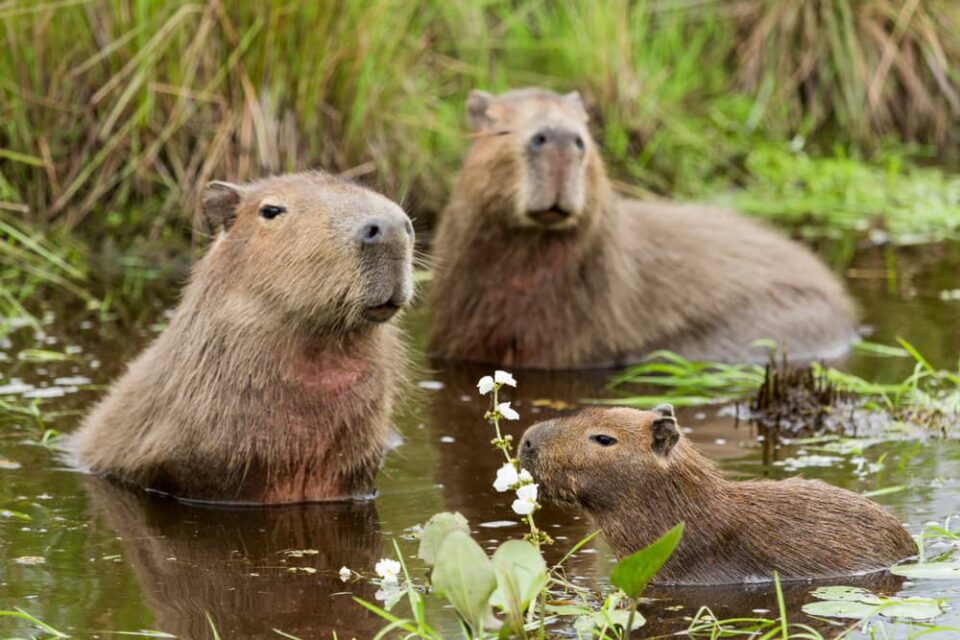
Capybaras are native to South America. They can be found in countries like Brazil, Venezuela, Colombia, Peru, and Argentina. These animals are semi-aquatic, which means they spend a lot of their time both in water and on land.
Their preferred habitats include:
- Flooded grasslands
- Riversides
- Marshes
- Lakeshores
- Swamps
These areas provide the water and tall grasses that capybaras need for survival. Water is essential for them to escape predators, cool off, and even mate.
But do these regions overlap with rainforests? In some cases, yes, but with important differences.
Understanding Rainforests
A rainforest is a type of forest that receives a large amount of rainfall every year, often more than 2,000 millimeters (about 80 inches). Rainforests have thick tree cover and a humid climate. They are home to a wide variety of plant and animal species.
The most famous rainforest in South America is the Amazon Rainforest. It stretches across several countries and contains many rivers, lakes, and wetlands.
However, not all wet areas are rainforests. Flooded grasslands or savannas, for example, receive less rainfall and have fewer trees.
Credit: www.littlepassports.com
Capybaras And Rainforests: The Connection
Capybaras do live near rainforests, especially along the edges of the Amazon Basin. But they do not usually live deep inside the dense rainforest.
Instead, capybaras prefer open spaces with water and grass. They are often found in:
- Gallery forests: These are forests along rivers that border rainforests but have more sunlight and open areas.
- Wet savannas: Grassy regions that become flooded during rainy seasons.
Capybaras avoid thick, dark forest interiors because they need open water and grasses. In dense rainforests, the ground is shaded, and grasses are less common. This makes it hard for capybaras to find food and escape predators.
Where You Can Find Capybaras
The range of capybaras covers many different landscapes. Here’s a comparison of typical habitats where you might see capybaras:
| Habitat Type | Capybara Presence | Main Features |
|---|---|---|
| Flooded Grasslands | Very Common | Open, lots of grass, water nearby |
| Rainforest Interior | Rare | Dense trees, little sunlight, few grasses |
| Gallery Forests | Common | Near rivers, some tree cover, open patches |
| Urban Parks (South America) | Occasional | Artificial lakes, human presence |
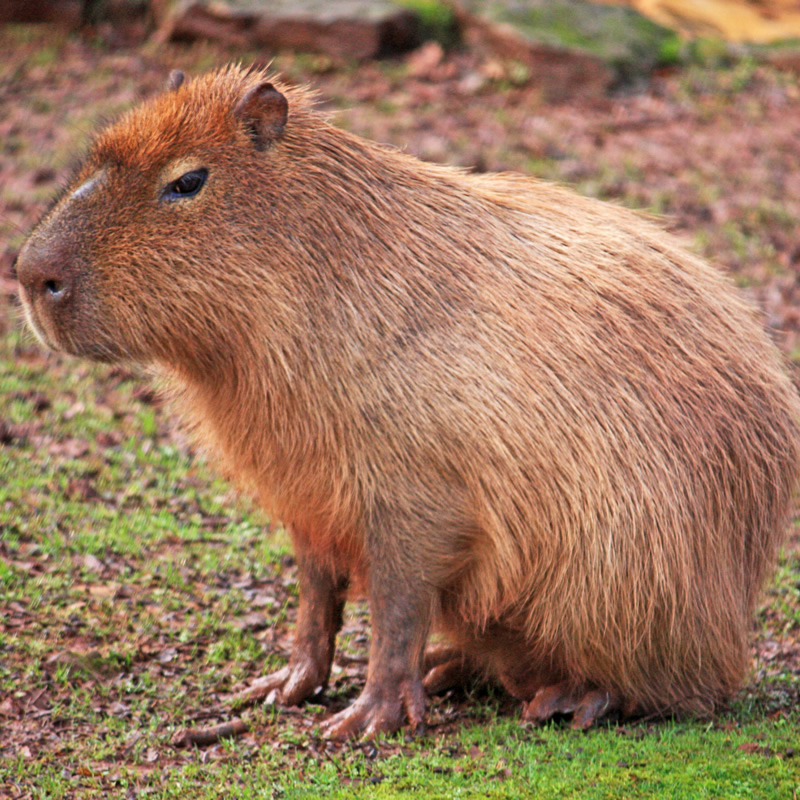
While they can sometimes be found in rainforest regions, capybaras are more likely to be seen in areas with open water and vegetation.
Credit: www.rainforestanimals.net
What Capybaras Need From Their Environment
Capybaras have several requirements for a good living environment:
- Access to fresh water: For swimming, cooling off, and escaping threats.
- Plenty of grasses and water plants: Their main food source.
- Open space: Makes it easier to spot predators.
- Soft, muddy ground: Good for digging and resting.
The rainforest interior does not provide these conditions. That’s why even in rainforest zones, capybaras stay near open water sources or forest edges.
Here’s a quick look at what capybaras eat versus what is available in each habitat:
| Food Type | Availability in Rainforest | Availability in Grasslands |
|---|---|---|
| Grasses | Low | High |
| Water Plants | Medium | High |
| Fruits | High | Medium |
Grasses and water plants are essential, and these are found more in open, wet areas than inside rainforests.
Capybaras And Other Rainforest Animals
While capybaras do not live deep inside rainforests, they often share their habitat with rainforest animals near water sources. Some common neighbors include:
- Caimans: Small crocodile-like reptiles found in rivers and lakes.
- Giant otters: Social mammals that hunt fish and live along riverbanks.
- Birds: Herons and kingfishers often hunt in the same waters.
- Anacondas: Large snakes that may prey on capybaras.
Capybaras play a role in these ecosystems by grazing on plants and serving as prey for larger animals. Their presence helps keep plant growth under control and supports the food chain.
Surprising Capybara Adaptations
Many people don’t realize how well capybaras are adapted to life near water, even if not in the heart of the rainforest. Here are two insights beginners often miss:
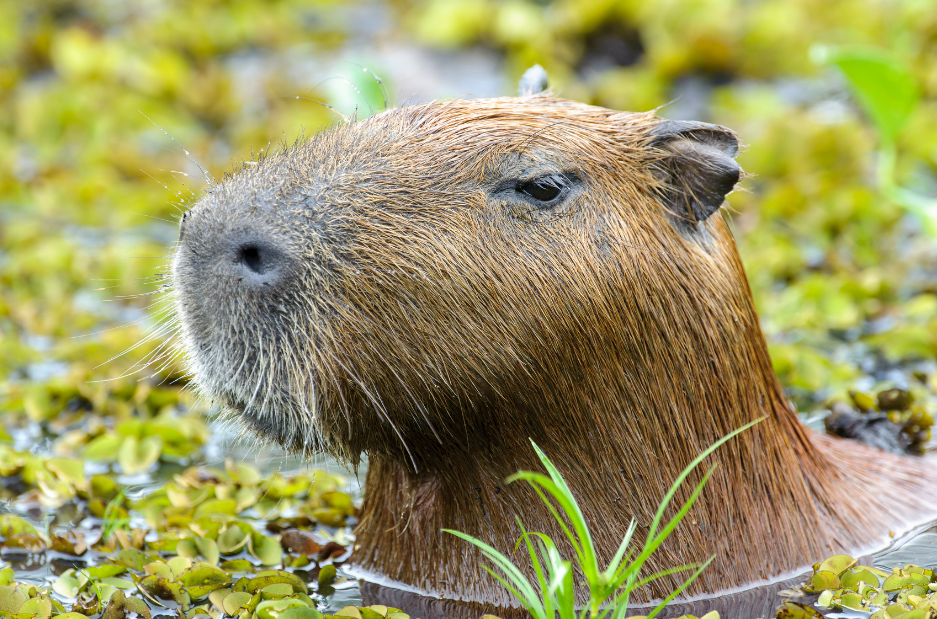
- Webbed feet: Capybaras have slightly webbed toes, which help them swim efficiently and walk on muddy ground.
- Social structure: Capybaras live in groups of 10 to 20, sometimes more. This group living helps them watch for predators and find food together.
Their love of water and strong social bonds make them unique among rodents.
Human Impact On Capybara Habitats
As human development spreads, capybaras are sometimes forced to live closer to cities or farms. In countries like Brazil, they can be seen in urban parks or even golf courses with water features.
However, deforestation and draining of wetlands threaten their natural homes. Protecting rivers, lakes, and wetlands helps both capybaras and other wildlife.
If you want to learn more about capybara conservation, you can visit the Wikipedia page on capybaras.
Credit: animalcorner.org
Frequently Asked Questions
Do Capybaras Live In The Amazon Rainforest?
Capybaras can be found near the edges of the Amazon Rainforest, especially along rivers and lakes. However, they do not usually live deep inside the thick forest.
What Is The Main Habitat Of Capybaras?
Their main habitat is flooded grasslands and wetlands with open water and lots of grasses.
Are Capybaras Good Swimmers?
Yes, capybaras are excellent swimmers. They use water to escape predators, find food, and cool down.
Do Capybaras Live Alone Or In Groups?
Capybaras are social animals. They live in groups of 10 to 20, sometimes even larger.
What Predators Do Capybaras Have In Rainforest Areas?
In rainforest regions, predators include anacondas, caimans, jaguars, and large birds of prey.
Capybaras are fascinating animals that have adapted well to life near water in South America. While they may be seen near rainforests, they truly thrive in open, wet environments where they can find food and stay safe. Their story is a reminder of how important it is to protect the diverse habitats that support unique creatures around the world.


