

Capybaras are famous for their relaxed attitude and friendly nature. Many people see pictures of these large rodents sitting in pools or surrounded by animals and wonder where they actually live. The question “Do capybaras live in the jungle? ” seems simple, but the answer is more interesting than most expect.
Understanding their true habitat helps us appreciate how capybaras survive in the wild, and why they behave the way they do.
Where Do Capybaras Live?
The capybara is native to South America. You can find them in many countries, including Brazil, Venezuela, Colombia, Peru, Argentina, and Paraguay. These animals live near water, because they need it for both cooling off and escaping predators.
Capybaras prefer wetlands, riversides, and flooded grasslands. They are rarely found deep in dense jungle. Instead, they choose open areas with lots of grass and easy access to water. Their feet are slightly webbed, which makes them excellent swimmers.
Most capybaras live in areas called the savanna or seasonally flooded plains. In countries like Brazil, you might find them along the edges of the Amazon rainforest—but not usually inside the thick jungle itself.
Capybaras And The Jungle: The Real Connection
Many people think capybaras live in the jungle because they are from South America. While it is true that they can be seen near forested areas, the dense jungle is not their main home.
Why Not The Jungle?
- Food needs: Capybaras eat mostly grasses and aquatic plants. Dense jungles have fewer grassy areas and more trees, so they don’t provide the best food for capybaras.
- Movement: Capybaras are large, weighing up to 66 kg (145 lbs). Moving through thick jungle is hard for them. Open spaces and water make it easier to escape from danger.
- Water: Jungles are not always close to large, open water sources. Capybaras need shallow water for swimming and hiding from threats.
Where You Might Find Capybaras Near Jungles
Sometimes, capybaras can be found along the edges of jungles, especially in places where the forest meets a river or flooded plain. For example, in the Pantanal region of Brazil, there are both forests and open wetlands. Capybaras thrive in the wetland part, but rarely go deep into the forest.
Capybara Habitat Comparison
To make it clear, here’s how capybara habitats compare to typical jungle environments:
| Feature | Capybara Habitat | Dense Jungle |
|---|---|---|
| Vegetation | Grasses, aquatic plants | Trees, vines, little grass |
| Water Access | Near rivers, lakes, swamps | Streams, sometimes far apart |
| Space to Move | Open or semi-open | Thick, crowded |
| Main Capybara Food | Plentiful | Limited |
This comparison shows why capybaras do not choose to live in deep jungle.
How Capybaras Adapt To Their Environment
Capybaras are well-adapted to wet, grassy areas:
- Their webbed feet help them swim.
- They can hold their breath for up to 5 minutes underwater.
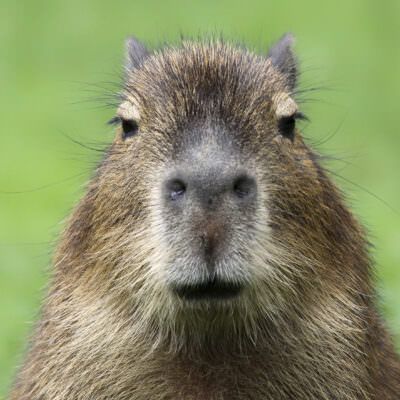
- Their eyes, ears, and nose are on top of their head, so they can see and breathe while mostly underwater.
These traits let them escape from predators like jaguars, caimans, and anacondas.
Capybara Social Behavior And Habitat
Capybaras are very social. They live in groups of 10–20, but sometimes as many as 100 gather during the dry season. Living in groups helps them watch for danger.
Open wetland areas make it easier for them to see each other, communicate, and escape if needed. In a dense jungle, it would be much harder to stay together and avoid getting lost.
Capybara Sightings: Where You’re Likely To See Them
You are most likely to see wild capybaras in:
- The Pantanal (Brazil): The world’s largest tropical wetland.
- Venezuelan Llanos: Large, grassy floodplains.
- Riversides in Colombia and Argentina.
- Open grasslands near Amazon basin rivers.
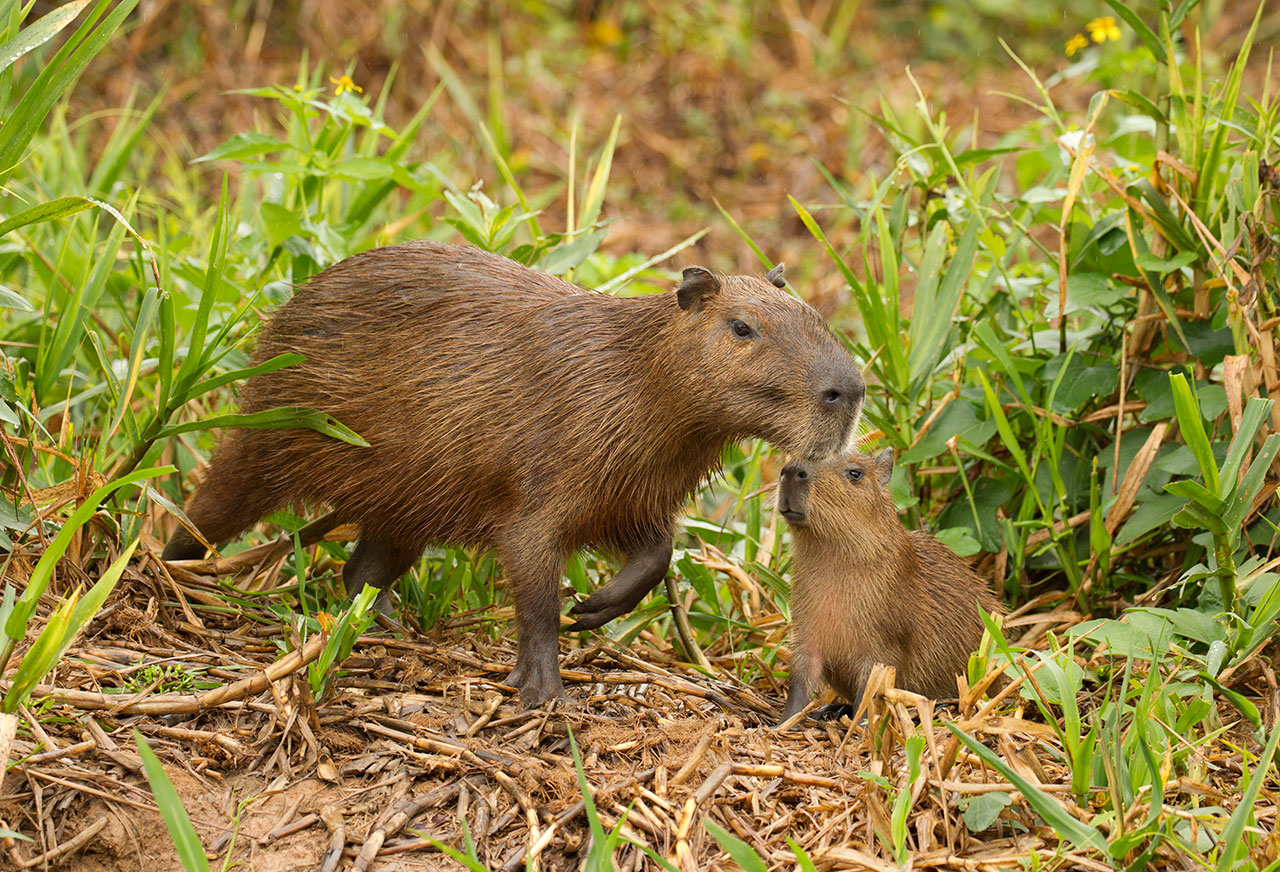
In these places, capybaras are common, especially near water. You may rarely see them at the edge of a jungle, but almost never in the middle of it.
Credit: garethreportbuilder.com
Capybaras In Human-created Environments
Capybaras have learned to live near people in some places. You might find them in:
- Farm fields next to rivers.
- Urban parks with ponds in South American cities.
- Ranches with artificial lakes.
However, these areas still offer the main thing capybaras need: water and open space.
Common Misunderstandings
Many people see “Amazon” or “rainforest” and assume all Amazon animals live in thick jungle. In fact, the Amazon basin has many types of land: forests, swamps, savannas, and wetlands. Capybaras mostly live in the open parts, not the forested jungle.
Another common mistake is thinking capybaras are comfortable everywhere in South America. Their range is wide, but their habitat needs are specific: open areas near water, with lots of grass.

Credit: greatergood.com
Capybara Habitat: Quick Facts
| Fact | Details |
|---|---|
| Preferred Habitat | Wetlands, riverbanks, flooded grasslands |
| Home Range | South America (east of Andes) |
| Group Size | 10–20 (sometimes 100+) |
| Swimming Skills | Excellent |
| Main Foods | Grass, aquatic plants |
Human Impact On Capybara Habitats
As cities and farms grow, natural capybara habitats shrink. However, capybaras are adaptable. They can live in man-made ponds and canals if there is still grass and water. This is one reason they are not endangered.
Still, protecting natural wetlands helps many species, not just capybaras. For more on their conservation and habitat, visit the Wikipedia page on Capybaras.
Final Thoughts
Capybaras do not live in the dense jungle. Instead, they choose open wetlands, riverbanks, and grassy floodplains near water. Their unique body and social life are made for these places—not for the crowded, tree-filled jungle. Next time you see a capybara relaxing, remember it prefers the open sky and a cool swim to the dark jungle floor.
Frequently Asked Questions
Do Capybaras Ever Go Into The Jungle?
Capybaras may enter the edge of a forest or jungle for shade or food, but they rarely go deep inside. They prefer open, wet areas with plenty of grass.
What Countries Have The Largest Capybara Populations?
The largest populations are found in Brazil, Venezuela, and Colombia, especially where there are big wetlands and rivers.
Can Capybaras Survive Far From Water?
No, capybaras need to live close to water. They use water for safety and to stay cool.
Are Capybaras Seen In Cities?
In some South American cities, capybaras are seen in parks and canals if there is water and grass. But this is less common than in the wild.
What Do Capybaras Eat In Their Natural Habitat?
Capybaras mainly eat grasses, aquatic plants, and sometimes fruit or bark when other food is hard to find. Their diet depends on what grows near water.
Credit: www.rainforest-alliance.org


