

Capybaras are the world’s largest rodents, and they have become social media stars thanks to their calm personalities and quirky looks. Many people are now interested in keeping them as pets or visiting them in zoos. But one common question pops up again and again: Do capybaras smell? If you’re thinking about spending time with capybaras, or even adopting one, it’s important to know what to expect. Let’s dive into the facts, clear up myths, and see what science and real experiences say about capybara odor.
Understanding Capybara Odor
Capybaras are semi-aquatic animals from South America. They live in groups near lakes and rivers. Most wild animals have some natural scent, but capybaras are often described as surprisingly odorless. Their bodies are covered with coarse hair, not fur, which sheds water and mud easily. This helps keep them cleaner than many other mammals.
However, no animal is completely scentless. Capybaras have some natural smells that come from their skin, sweat, and waste. These smells are usually not strong or unpleasant. If you compare them to rabbits, guinea pigs, or ferrets, capybaras are often considered to be less smelly.
What Factors Affect Capybara Smell?
Several things can change how much a capybara smells:
1. Diet
Capybaras eat mostly grass, hay, and vegetables. Their food is high in fiber, which means their droppings are less smelly than animals that eat meat. If their diet changes—like eating too much fruit or processed food—their waste can smell worse.
2. Habitat Cleanliness
In the wild, capybaras live near water and bathe often. Pet capybaras or zoo animals need regular access to clean water. If their living space isn’t cleaned well, the smell of urine and feces can build up quickly.
3. Health
A healthy capybara has only a mild, earthy smell. If a capybara is sick or stressed, its scent glands can produce stronger odors. Dental or digestive problems can also cause bad breath or smelly droppings.
4. Glandular Secretions
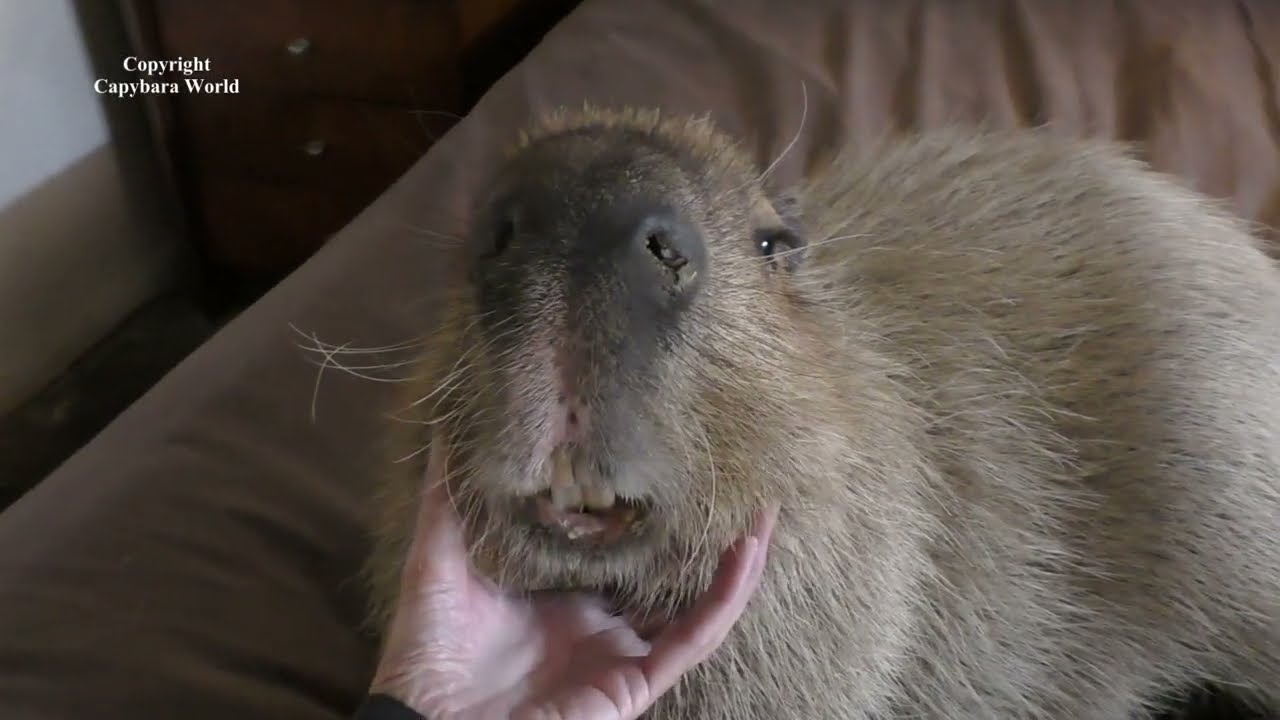
Male capybaras have a scent gland called a “morro” on their nose, which they use for marking territory. They also have anal glands. Most of the time, these secretions are not noticeable to humans unless the animal is marking a lot or feels threatened.
5. Water Quality
Capybaras love to soak and even defecate in water. If the water isn’t changed often, it can develop a strong odor. This is one reason why zoos invest in good filtration systems for capybara enclosures.

Credit: worldrainforests.com
Capybara Vs Other Pets: Smell Comparison
If you’re thinking about a capybara as a pet, it helps to compare their smell with other common animals.
| Animal | Natural Body Odor | Waste Odor |
|---|---|---|
| Capybara | Mild, grassy | Low, if diet is healthy |
| Guinea Pig | Mild | Moderate |
| Ferret | Strong, musky | Strong |
| Rabbit | Very low | Low to moderate |
| Dog | Moderate to strong | Moderate |
Capybaras generally have less odor than ferrets and are similar to rabbits and guinea pigs.
What Do Owners And Zookeepers Say?
People who live with or care for capybaras often report that their smell is not a problem. In fact, many say capybaras are one of the cleanest exotic pets. Zookeepers mention that capybaras can sometimes smell “earthy” or “like wet hay,” but not bad.
However, there are a few things beginners often miss:
- Water Habits: Capybaras spend a lot of time in water. If the water isn’t changed daily, the smell from waste can become strong. This is not the capybara’s fault, but a housing issue.
- Seasonal Changes: In warmer climates, capybaras might sweat more and use their scent glands more. This can lead to a slightly stronger odor at certain times of year.
How To Control Capybara Smell
If you want to keep odor under control, focus on a few key steps:
1. Clean Water Daily
Replace or filter their bathing water every day to prevent build-up of waste and algae.
2. Spot Clean Enclosure
Remove soiled bedding and droppings at least once a day.
3. Healthy Diet
Feed mostly grass, hay, and a few veggies. Avoid high-sugar or processed foods.
4. Regular Health Checks
Watch for changes in smell, which could mean illness.
5. Proper Ventilation
Make sure their indoor space gets fresh air to avoid musty smells.
Here’s a quick summary:
| Tip | Effect on Smell |
|---|---|
| Change water daily | Reduces strong odors |
| Clean enclosure | Prevents build-up |
| Feed proper diet | Keeps waste mild |
| Health monitoring | Spots problems early |
Is Capybara Smell A Reason Not To Own One?
For most people, capybara smell is not a dealbreaker. If you are sensitive to smells, you may notice a mild, grassy scent, especially if the animal is wet. But with regular cleaning and care, odors are very manageable.
The real challenge of capybara ownership is not their smell, but their size, social needs, and special care. Capybaras need a lot of space, swimming water, and at least one companion. If you can provide these, smell will not be a major issue.
Credit: www.reddit.com
Scientific Research On Capybara Odor
Studies about capybara scent focus mostly on their glands and marking behavior. According to Wikipedia, capybaras use their morro gland and anal gland to communicate, especially during mating season. These secretions are important for other capybaras, but most people do not find them noticeable unless they are handled directly.
One interesting fact: capybara scent glands are much less powerful than those of some other rodents or carnivores. This is why many people are surprised by how little they smell.
Frequently Asked Questions
Do Capybaras Smell Bad Compared To Dogs Or Cats?
Capybaras usually have a milder odor than dogs and cats. Their smell is more earthy or grassy, and their waste is less strong if their diet and enclosure are well managed.
Can You Bathe A Capybara To Reduce Odor?
You don’t need to bathe capybaras like dogs. They clean themselves in water. Forcing them to bathe can cause stress. Clean water in their pool or pond is usually enough.
Will A Capybara Make My House Smell?
If you keep a capybara inside, you must clean their area daily and provide fresh water for soaking. If you do this, your house should not smell. Poor cleaning leads to odor.
Are Male Or Female Capybaras Smellier?
Males have extra scent glands for marking, so their odor can be stronger, especially during mating season. Still, it’s usually not strong enough to bother most people.
What If My Capybara Suddenly Smells Worse?
A sudden change in smell often means a health problem. Check for signs of illness and see a vet if the odor doesn’t go away with cleaning.
Capybaras might be big, but their smell is not. With the right care, their gentle nature and mild scent make them wonderful companions for the right owner. If you want an exotic pet that won’t fill your home with bad smells, capybaras are a top choice.
Credit: www.youtube.com


