

Capybaras are known as the world’s largest rodents and have become internet sensations for their calm, friendly nature. But one thing surprises many people: their close connection to water. If you have ever seen a capybara at a zoo, you might have noticed how much time they spend swimming or soaking in ponds. This leads to a common question: Do capybaras swim underwater? Let’s dive deep into this topic and uncover the fascinating aquatic world of these gentle giants.
Capybara And Water: A Natural Connection
Capybaras live in the wetlands, rivers, and marshes of South America. Their bodies are built for water. They have webbed feet, dense fur, and eyes, ears, and noses that sit high on their heads. This design allows them to keep most of their body underwater, while still breathing and watching for danger.
Capybaras do not just enjoy the water—they depend on it. Water helps them cool down in hot weather, escape predators, and even find their food. Aquatic plants are a main part of their diet.
Can Capybaras Swim Underwater?
Yes, capybaras can swim underwater. In fact, they are excellent swimmers. They can hold their breath for up to five minutes, sometimes even longer. This ability helps them avoid predators like jaguars, caimans, and anacondas.
When swimming underwater, capybaras move gracefully. Their bodies glide easily, and their webbed feet push them forward. Young capybaras often practice swimming with their mothers, learning both surface swimming and underwater movement.
How Deep Can Capybaras Dive?
Capybaras usually stay near the water’s surface. However, they can dive several feet deep if needed. In the wild, water bodies are often not very deep, but capybaras are comfortable exploring the bottom when searching for food or hiding from threats.

Credit: www.youtube.com
Capybara Underwater Behaviors
Capybaras use underwater swimming for more than just travel. Here are some of their key behaviors:
- Hiding from predators – When danger is near, capybaras slip quietly into the water and sink below the surface. They can remain submerged, with only their nose above water, or go fully underwater for a short time.
- Feeding – Capybaras eat both land and aquatic plants. Sometimes, they dive underwater to reach roots or stems growing below the surface.
- Play and social bonding – Young capybaras especially love to play in water, chasing each other and practicing swimming skills.
- Resting – It is common to see capybaras resting in shallow water, with their heads just above the surface.
Physical Adaptations For Underwater Life
Capybaras have several unique physical features that make them such skilled swimmers. Compare their adaptations with those of other semi-aquatic mammals:
| Feature | Capybara | Otter | Beaver |
|---|---|---|---|
| Webbed Feet | Yes | Yes | Yes |
| Dense Fur | Yes | Yes | Yes |
| Nose Position | High | High | High |
| Tail | No | Long | Flat, wide |
This comparison shows capybaras share many water-friendly traits with other mammals, though they lack the special tail of a beaver.

Credit: capybaraworld.wordpress.com
Comparing Capybara Swimming To Other Animals
How do capybaras compare to other well-known swimmers? Here’s a look:
| Animal | Max Time Underwater | Swimming Speed |
|---|---|---|
| Capybara | 5 minutes | 6-8 km/h |
| Otter | 8 minutes | 12 km/h |
| Beaver | 15 minutes | 8 km/h |
Capybaras are not the fastest or longest divers, but they are still impressive for their size and lifestyle.
Capybara Underwater Senses
One non-obvious fact is that capybaras can close their ears and nostrils when diving underwater. This keeps water out and protects their senses. Their eyes, placed high on their heads, let them see above the surface even while most of their body is hidden below.
Another insight is capybaras’ calmness. When underwater, their heartbeat slows down. This helps them stay relaxed and use less oxygen, allowing them to stay submerged longer.
Real-life Examples And Zoo Experiences
In zoos around the world, capybaras are often given large pools because swimming is essential for their health. Zookeepers report that capybaras spend most of their day in and around water, especially in hot weather.
In the wild, capybaras are often seen jumping into rivers at the first sign of danger, disappearing underwater before popping up far away. This escape method is very effective against land predators.
Capybara Swimming For Pet Owners
Some people keep capybaras as exotic pets. If you do, it’s crucial to give them a safe place to swim. A small pond or pool is not just a treat—it’s a need. Without water, capybaras can become stressed or unhealthy.
Pet owners should watch for common mistakes:
- Not providing enough water space
- Using pools that are too deep or slippery
- Not supervising capybaras around water with children or other pets
A safe swimming area should be wide, have shallow and deep parts, and easy ways for the animal to climb in and out.
Capybaras And Water Safety
Unlike some animals, capybaras rarely drown. Even young capybaras can swim naturally. However, water that is too cold or dirty can lead to health problems. Regular cleaning and safe temperatures are important for captive animals.
Fun Facts About Capybara Swimming
- Capybaras can sleep in water. Sometimes, they rest with just their nostrils and eyes above the surface.
- In the wild, they often form lines and swim together, especially when moving between feeding areas.
- Capybaras’ unique vocalizations, such as barks and whistles, can sometimes be heard even underwater.
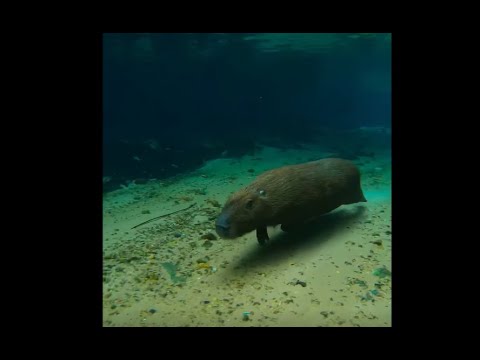
Credit: petcapybara.com
Frequently Asked Questions
Do Capybaras Swim Underwater To Escape Predators?
Yes, capybaras often dive underwater to hide from predators like jaguars or caimans. Their ability to stay submerged helps them escape quickly and avoid being seen.
How Long Can A Capybara Hold Its Breath Underwater?
A capybara can hold its breath for up to five minutes, sometimes a little longer if needed. This is enough time to avoid danger or move unseen from one spot to another.
Are Capybaras Better Swimmers Than Beavers Or Otters?
Capybaras are strong swimmers, but otters and beavers are even more skilled. Otters can swim faster, and beavers can stay underwater longer. Still, capybaras are very well adapted for their watery homes.
Is It Safe For Pet Capybaras To Swim In Backyard Pools?
It can be safe if the pool has gentle slopes, is easy to enter and exit, and is kept clean. Avoid deep or chlorinated pools, as these can be dangerous for capybaras.
Where Can I Learn More About Capybara Habits?
A reliable source for more information is the Wikipedia Capybara page, which covers their behavior, diet, and natural history.
Capybaras are truly fascinating animals. Their love for water and skill at swimming and diving set them apart from other rodents. Whether in the wild, a zoo, or as pets, providing them with water is essential to their happiness and health.
Understanding their underwater world helps us appreciate these gentle giants even more.


