

Do Snakes Eat Capybaras?
In the wild, the idea of a giant snake swallowing a large mammal can sound like a scene from a movie. But does this actually happen? Specifically, do snakes eat capybaras? Capybaras are the world’s largest rodents, often weighing between 35 to 66 kg (77 to 146 lbs).
Snakes, especially in South America, are known for their powerful hunting skills and ability to eat large prey. Let’s take a deep look into whether snakes really eat capybaras, which snakes are capable of this, and what the process looks like in nature.
Capybaras: A Quick Overview
Capybaras are native to South America and are known for their gentle nature and social lifestyle. They live in groups near water sources like rivers, lakes, and swamps. Because of their size, adult capybaras have few natural predators. However, their young, called pups, are much more vulnerable.
Key facts about capybaras:
- Average adult weight: 35–66 kg (77–146 lbs)
- Lifespan: 8–10 years in the wild
- Habitat: Wetlands, savannas, and dense forests
- Diet: Herbivorous (mainly grasses and aquatic plants)
Their large size protects them from many smaller predators, but not all. Some of South America’s largest snakes are up for the challenge.
Snakes That Can Eat Capybaras
Not all snakes are capable of eating something as big as a capybara. Only a few, very large species have both the size and strength needed to hunt and swallow such prey.
Here are the main snakes known to hunt capybaras:
| Snake Species | Maximum Length | Prey Size |
|---|---|---|
| Green Anaconda | Up to 9 m (30 ft) | Large mammals (including adult capybaras) |
| Yellow Anaconda | Up to 4.6 m (15 ft) | Medium mammals (young capybaras) |
| Burmese Python* | Up to 5.7 m (19 ft) | Large mammals (not native to South America) |
*Note: The Burmese python is not native to South America, but it is an example of a large constrictor capable of eating similar-sized prey.
The green anaconda is the real giant here. It is native to the same wetlands and rivers as capybaras and is among the heaviest snakes in the world.
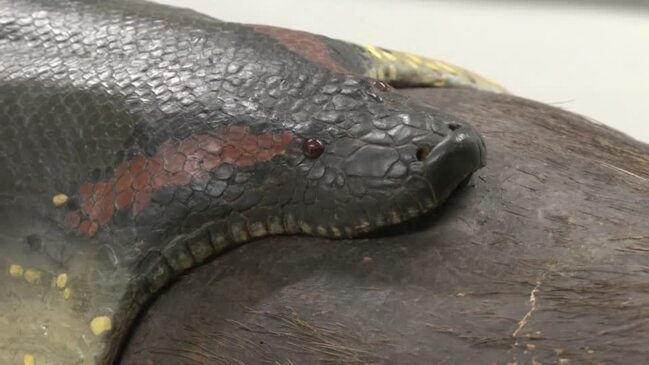
Credit: www.weeklytimesnow.com.au
How Do Snakes Hunt And Eat Capybaras?
Eating a capybara is not a simple task, even for a large snake. The process involves several steps:
- Ambush: Anacondas are ambush predators. They wait in the water, almost completely hidden, for a capybara to approach.
- Strike and Constrict: When the time is right, the snake strikes quickly and grabs the prey with its jaws. It then wraps its body around the capybara, squeezing tightly until the animal cannot breathe.
- Swallow Whole: Once the capybara is dead, the snake opens its jaws wide and swallows the prey head-first. This can take hours, depending on the size of the meal.
Here’s a look at how the hunting process compares with other predators:
| Predator | Hunting Method | Common Prey |
|---|---|---|
| Green Anaconda | Ambush, constriction | Capybara, caiman, birds |
| Jaguar | Stalk, pounce, bite to skull | Capybara, peccary, deer |
| Caiman | Ambush, powerful jaws | Fish, birds, capybara pups |
| Ocelot | Stalk, pounce | Small mammals, birds |
Notice that only the largest snakes, like the green anaconda, can handle fully grown capybaras. Others may prey on the young or smaller individuals.
How Often Do Snakes Eat Capybaras?
The event is rare. Even a giant anaconda does not eat capybaras every day. Large prey like this is difficult to catch, and the risk of injury is high. When an anaconda does succeed, it may not need to eat again for weeks or even months.
This is because the process of digesting such a large meal is slow and energy-demanding.
Some studies estimate that the average adult green anaconda eats large mammals like capybaras only a few times per year. Most of its diet consists of smaller animals, such as fish, birds, or smaller mammals.
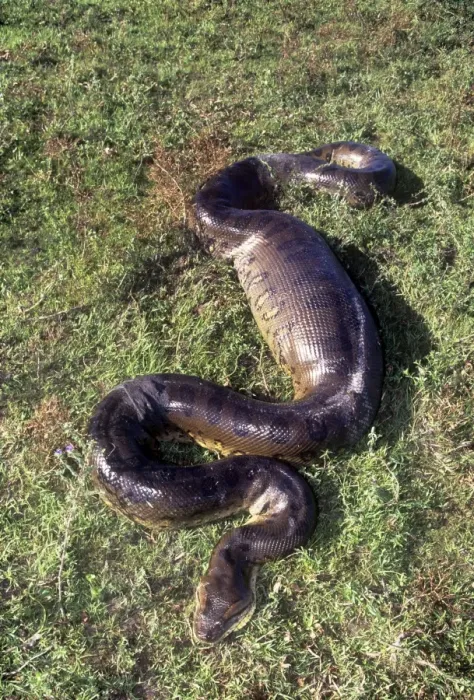
Credit: www.ardeaprints.com
Young Capybaras: Easier Targets
Adult capybaras are not easy prey, but their young are much more at risk. Capybara pups are born in litters of four to eight and weigh only about 1. 5 kg (3. 3 lbs) at birth. For a hungry snake, they are much more manageable.
Several predators, including snakes, caimans, and large birds, target capybara pups. This is why mother capybaras are always alert and usually stay close to water for a quick escape.
Real Life Encounters And Evidence
There are documented cases of green anacondas eating capybaras. Wildlife photographers and scientists have captured rare moments where a giant anaconda has successfully hunted and swallowed an adult capybara. These moments are not common, but they do confirm that it is possible.
One such famous photograph, taken in the Venezuelan Llanos, showed a green anaconda consuming a capybara nearly half its size. These events are so rare that they often make headlines and attract researchers from around the world.

Credit: commons.wikimedia.org
Non-obvious Insights About Snake-capybara Encounters
- Snakes risk injury: When attacking such large, strong prey, even a giant anaconda can be injured. Capybaras have strong teeth and can bite hard, so a failed hunt can result in wounds for the snake.
- Capybaras are social: Capybaras often live in groups. If a snake attacks, the group may scatter, but sometimes adults will attempt to defend the young by making alarm sounds or even attacking the snake.
- Snakes must digest slowly: After eating a big meal like a capybara, an anaconda will become sluggish and hide for weeks. During this period, it is more vulnerable to other predators or threats.
The Ecological Importance
The fact that snakes eat capybaras, even rarely, is important for the ecosystem. It helps control capybara populations and provides food for the largest snakes. This balance keeps the wetland environment healthy. If anacondas disappeared, there could be too many capybaras, which might harm plant life around wetlands.
For further reading on anacondas and their diet, you can visit the Wikipedia page on Green Anacondas.
Frequently Asked Questions
Do All Snakes Eat Capybaras?
No, only the very largest snakes, like the green anaconda, are big enough to eat adult capybaras. Most snakes are too small and target other prey.
Can A Capybara Escape From A Snake?
Yes, capybaras are excellent swimmers and often escape into water. Their strong legs and group behavior also help them avoid danger.
How Big Does A Snake Need To Be To Eat A Capybara?
A snake usually needs to be at least 5 meters (16 feet) long and very strong to swallow an adult capybara. Only giant constrictors have this ability.
Are Capybara Populations Threatened By Snakes?
No, snakes are just one of many predators. Capybaras have stable populations, and predation by snakes is rare compared to other threats.
What Other Animals Eat Capybaras?
Besides snakes, capybaras are hunted by jaguars, caimans, anacondas, and sometimes large birds of prey, especially when they are young.
Snakes eating capybaras may sound unusual, but it is a real, if rare, part of South America’s wild world. These moments show the strength and adaptability of both predator and prey, each playing a role in nature’s balance.


