

Many people are curious about animal symbolism, especially when it comes to unique creatures like the capybara. The question, “Does green stand for capybara?” might seem odd at first. After all, we often link animals with certain colors or meanings. Lions are gold, tigers are orange, pandas are black and white. But what about the capybara, the world’s largest rodent? Is green its color? Let’s explore where this idea comes from, what colors are truly related to capybaras, and what green might mean in this context.
The Origins Of Animal Symbolism And Color
Throughout history, humans have given colors to animals to show their personality or role in nature. For example, red can mean danger (think of the red markings on some frogs), while blue might suggest calmness or rarity. These connections often come from myths, stories, or the animal’s real-life features.
Capybaras, however, are not usually linked to one main color in Western culture. Unlike the peacock (with its famous blue and green feathers) or the flamingo (known for pink), the capybara’s color story is less clear.
What Does Green Mean?
The color green has many meanings. It is often connected with:
- Nature and plants
- Calmness and peace
- Growth and health
In some cultures, green is also a color of luck or renewal. When we see green, we often think of grass, trees, and water plants.
So, why might someone think green stands for capybara? There are a few possible reasons, which we’ll explore next.
Capybara: Habitat And Physical Appearance
Capybaras are semi-aquatic mammals. They live in the wetlands, rivers, and marshes of South America. Let’s look at some facts:
| Feature | Detail |
|---|---|
| Habitat | Near water, wetlands, grassy banks |
| Fur Color | Light brown to reddish-brown |
| Main Diet | Grasses, aquatic plants, fruits |
Capybaras are not green in color. Their fur is more of a brown or reddish shade. However, their environment is usually very green, full of plants and water. This might be where the green connection comes from.
Why People Link Green And Capybara
There are a few reasons why someone might say “green stands for capybara”:
- Environment: Capybaras spend most of their time in green places—by rivers, in grassy marshes, or among water plants.
- Diet: They eat mostly green plants. Their diet is made up of grass and aquatic leaves.
- Calm Personality: Green is a peaceful color, and capybaras are known as calm, gentle animals.
- Internet Culture: On social media, people sometimes use colors as symbols for animals, often in memes or jokes. Green has sometimes been jokingly used for capybaras because of their chill nature.
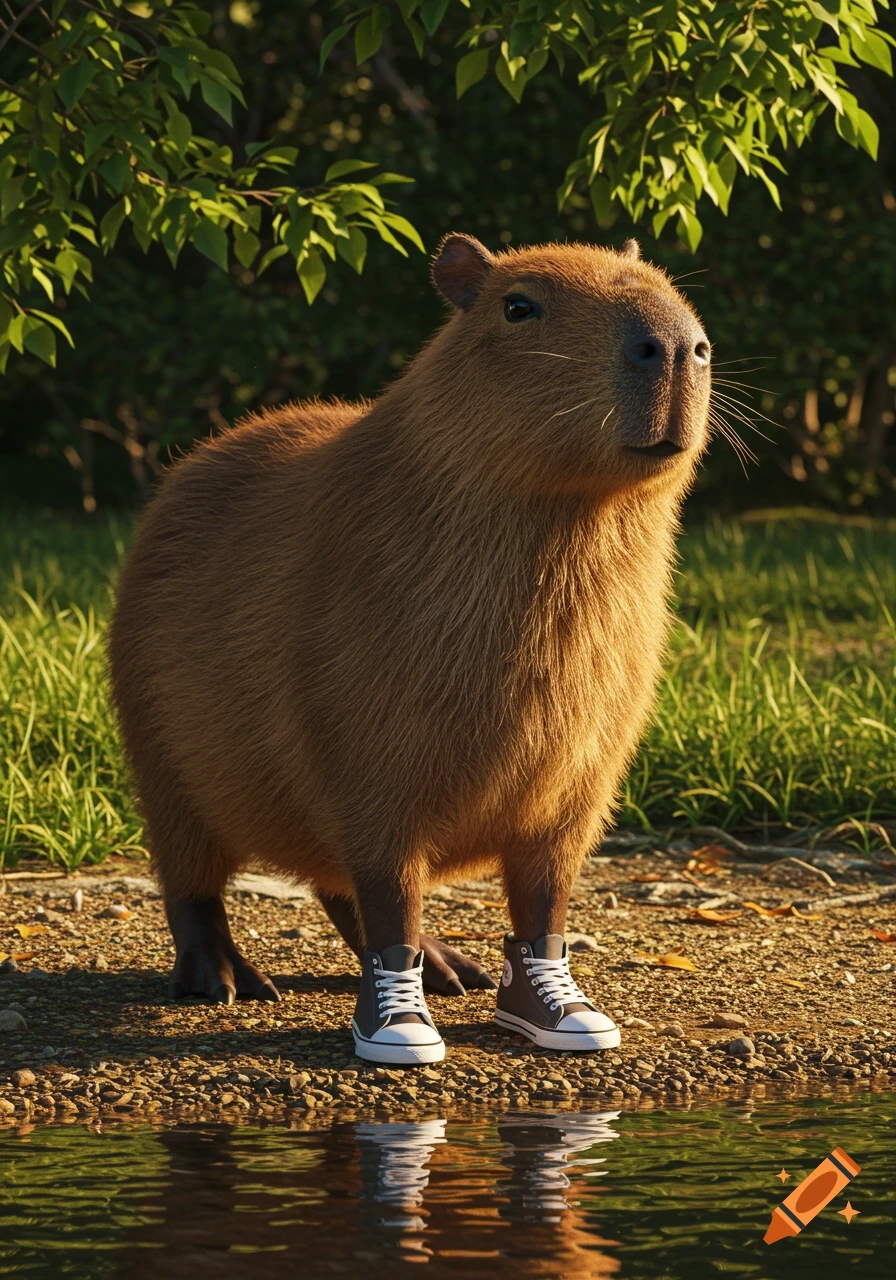
Credit: www.craiyon.com
Capybara In Popular Culture
In the past few years, capybaras have become internet stars. Their relaxed behavior and friendly attitude to other animals have made them favorites in memes and videos.
- Capybaras are often shown sitting quietly with birds, cats, or even monkeys.
- In memes, green backgrounds or hats are sometimes added to show their “zen” personality.
This is more about fun than science, but it does shape how people see capybaras and color.
Comparing Capybara To Other Animal Symbolism
Here’s a look at how color is used for different animals:
| Animal | Typical Symbolic Color | Reason |
|---|---|---|
| Lion | Gold | Majesty, power |
| Panda | Black & White | Balance, peace |
| Peacock | Blue & Green | Beauty, pride |
| Capybara | Brown/Green (by association) | Nature, calmness |
As you can see, capybara’s symbolic color is not set in stone. Green is not the official color, but it makes sense when you consider the animal’s lifestyle.

Credit: www.freepik.com
Scientific Perspective: Capybara’s True Colors
If you ask a biologist, they’ll tell you the capybara’s fur is not green. Instead, it ranges from light brown to reddish-brown, sometimes with a bit of gray.
The idea that “green stands for capybara” is more about their surroundings and the feelings they give us, not their actual appearance.
Non-obvious Insights
- Algae on Capybara Fur: Capybaras often sit in water for hours. Sometimes, a thin layer of green algae can grow on their fur, especially in wild habitats. This can give them a slight greenish look, but it’s not their natural fur color.
- Cultural Symbolism Differs: In some local South American stories, capybaras are seen as symbols of balance with nature. The color green is sometimes used in art or stories to show this link, but it’s not a global idea.
Should Green Stand For Capybara?
There’s no rule about what color should represent an animal. But if you want to use green for capybara, you have some good reasons:
- They live in green places.
- They eat green plants.
- Their calmness fits the meaning of green.
But remember, their fur is not green, and most official guides do not use green as their color.
Capybara In Art And Branding
Some modern artists and zoos use green to decorate capybara exhibits or logos. This helps connect the animal to nature in people’s minds. If you ever see a capybara cartoon or mascot, you might notice green backgrounds, grass, or leaves.
It’s a visual way to show their close link to wetlands and peace.
Data: Capybara Habitat And Green Environments
Let’s look at some numbers that show how closely capybaras are tied to green places:
| Country | Main Capybara Habitat | Percentage Wetlands |
|---|---|---|
| Brazil | Pantanal, Amazon | 21% |
| Venezuela | Llanos | 18% |
| Colombia | Orinoco Basin | 13% |
These regions are some of the greenest in South America, showing why capybara and green are so closely linked in people’s minds.
Final Thoughts
So, does green stand for capybara? The answer is: not officially, but it’s not wrong to make the connection. The capybara’s world is full of green, and their peaceful way of life matches the meaning of the color. If you see a green capybara cartoon, or you want to use green to symbolize this gentle animal, you’re in good company. Just remember, the real animal is brown, but its spirit is definitely a little bit green.
For more on the symbolism of colors and animals, see the overview at Wikipedia.

Credit: capybaraworld.wordpress.com
Frequently Asked Questions
What Color Is A Capybara In Real Life?
Capybaras are usually light brown or reddish-brown. Sometimes, their fur looks a bit gray. In the wild, green algae can sometimes grow on their fur, but their natural color is not green.
Why Do People Connect Capybara With Green?
People link capybaras with green because they live in green, wet places and eat green plants. Also, green stands for peace, which matches the capybara’s calm nature.
Are There Any Cultures That Officially Use Green For Capybara?
No major culture uses green as the official color for capybara. However, in some local South American stories, green is used in art to show their connection to nature.
Can Capybara Fur Ever Look Green?
Sometimes, if a capybara spends a lot of time in water with algae, a green layer can grow on their fur. But this is not their true color—it’s just algae on the surface.
Is Green A Good Color For Capybara Logos Or Art?
Yes, many artists and zoos use green in capybara logos or art to highlight their link to wetlands and a peaceful life. It helps people remember the animal’s natural home and personality.


