

Curious about whether the San Antonio Zoo has capybaras? You’re not alone. Capybaras, the world’s largest rodents, have become popular in recent years thanks to their gentle nature and quirky appearance. Many visitors want to know if they can meet these unique animals during their trip to this famous Texas zoo. In this article, you’ll find everything you need to know about capybaras at the San Antonio Zoo, including their habitat, what makes them special, and practical tips for your visit.
Capybaras: Fascinating Creatures
Capybaras are native to South America and are closely related to guinea pigs. They can weigh up to 150 pounds and are excellent swimmers. In the wild, capybaras live in groups near water sources like rivers and lakes. Their friendly, social nature often surprises people who expect rodents to be shy or solitary.
These animals spend much of their day eating grass, relaxing in water, and interacting with each other. Capybaras also have webbed feet, which help them move easily in water. Their calm temperament makes them favorites among zoo visitors, especially children.
Does The San Antonio Zoo Have Capybaras?
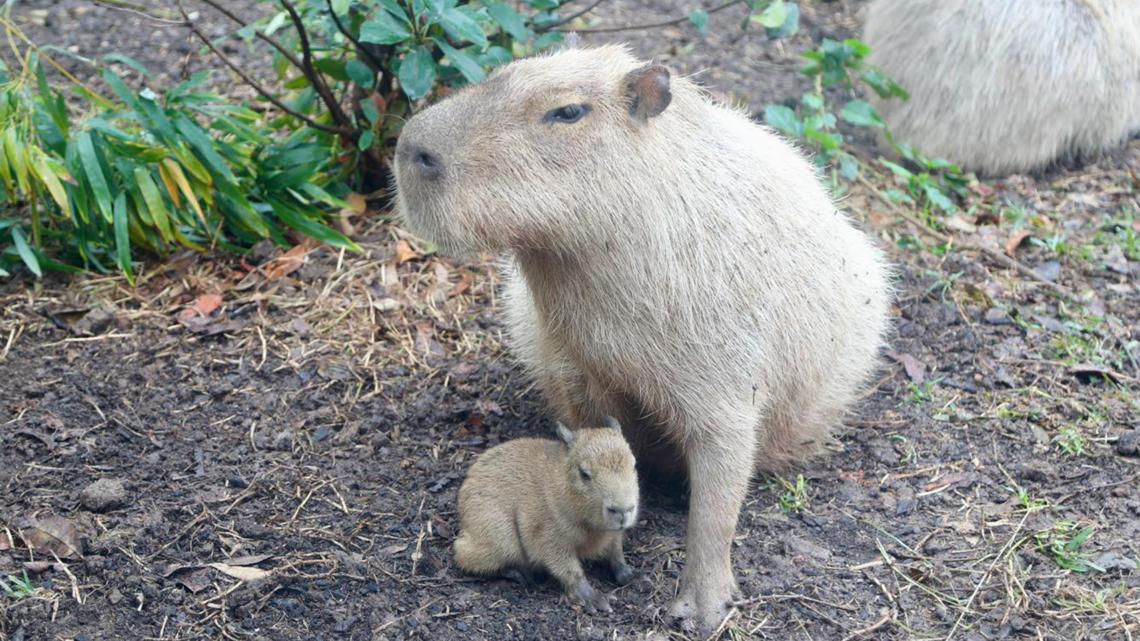
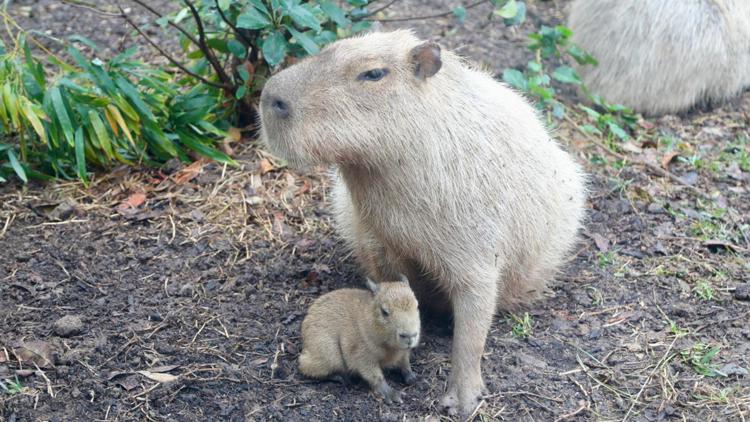
Yes, the San Antonio Zoo does have capybaras as part of its diverse collection of animals. The zoo has made a clear effort to include animals from different continents, and capybaras are featured in their South American habitats.
Where To Find Capybaras At The Zoo
You can usually see capybaras in the Amazonia or South America section of the zoo. Their enclosure is designed to mimic their natural environment, with plenty of water, grass, and shaded areas. The habitat allows you to observe the capybaras swimming, eating, or simply relaxing together.
Here is a quick comparison of the capybara habitat at the San Antonio Zoo versus their natural environment:
| Feature | San Antonio Zoo | Wild Habitat |
|---|---|---|
| Water Access | Large pond with filtration | Rivers, lakes, swamps |
| Group Size | 3-8 capybaras | 10-20 capybaras |
| Food | Grasses, fruits, vegetables | Mainly grass, aquatic plants |
| Shelter | Shaded structures, rocks | Tall grass, riverbanks |
Credit: www.kens5.com
What Makes Capybaras Special At The San Antonio Zoo
The zoo’s capybara exhibit offers a unique experience for visitors. Unlike some animals that hide or stay far from the viewing area, capybaras are often right at the water’s edge, visible and active. Their playful swimming and social grooming can be seen during most hours of the day.
Some special features of the San Antonio Zoo’s capybara exhibit include:
- Educational talks: Zoo staff often give short presentations about capybara behavior and biology.
- Feeding times: You might catch a feeding session, which is a great time to see capybaras interact and display their natural behaviors.
- Multi-species habitat: The capybara enclosure sometimes shares space with other South American animals, such as birds or tapirs, showing how these species coexist in nature.
A lesser-known fact is that capybaras are very vocal. At the zoo, you may hear them making a variety of sounds—clicks, purrs, and whistles—which are used to communicate with each other. Many first-time visitors miss this detail, thinking rodents are usually silent.
How To Get The Best Capybara Experience
To make the most of your visit and increase your chances of seeing capybaras active, try these tips:
- Visit early or late: Capybaras are most active during the cooler parts of the day. Morning and late afternoon are the best times to see them swimming or grazing.
- Watch for feeding times: Check the zoo’s daily schedule for capybara feedings. These sessions are both informative and entertaining.
- Be patient: If the capybaras are resting, wait a few minutes. They often move between the water and land, so activity levels change throughout the day.
- Look for interactions: Capybaras groom each other and sometimes play in the water. These social behaviors are fascinating to observe.
One thing many visitors overlook is how important the zoo’s habitat design is for capybara welfare. The combination of water, space, and social groupings helps reduce stress and keeps the animals healthy. Not all zoos provide such thoughtful environments, so the San Antonio Zoo stands out in this area.

Credit: www.lonestarlive.com
Capybaras Compared To Other Zoo Rodents
It’s easy to confuse capybaras with other large rodents. Here’s a quick comparison of capybaras and two other common zoo rodents: beavers and porcupines.
| Animal | Average Weight | Native Habitat | Social Behavior |
|---|---|---|---|
| Capybara | 77-150 lbs | South America | Very social, lives in groups |
| Beaver | 35-70 lbs | North America, Europe | Family groups, builds dams |
| Porcupine | 12-35 lbs | Various (global) | Mainly solitary |
As you can see, capybaras are much larger and more social than most other rodents found in zoos.
Practical Information For Visitors
If you’re planning a trip to see capybaras at the San Antonio Zoo, here are a few practical tips:
- Location: The capybara habitat is usually in the South America section.
- Best time to visit: Early mornings, especially in summer, are cooler and more comfortable for both visitors and animals.
- Photography: Capybaras are photogenic and patient, but avoid using flash, which can bother them.
- Zoo hours and tickets: Check the official San Antonio Zoo website for the latest information on hours and ticket prices.
It’s also worth noting that the San Antonio Zoo is an accredited member of the Association of Zoos and Aquariums (AZA), which means they follow high standards for animal care and conservation.
Credit: www.kens5.com
Frequently Asked Questions
Are Capybaras Dangerous To Humans?
Capybaras are generally gentle and friendly. They rarely bite and are not considered dangerous. However, like any wild animal, they should be respected and not touched without supervision.
Can You Feed Capybaras At The San Antonio Zoo?
Visitors are not allowed to feed the capybaras. The zoo staff provides a balanced diet for them. Sometimes, you can watch feeding sessions led by zookeepers.
How Long Do Capybaras Live At The Zoo?
In captivity, capybaras can live up to 12 years, which is longer than their typical lifespan in the wild (about 8-10 years). Good care and a safe environment help them live longer.
Do Capybaras Get Along With Other Animals At The Zoo?
Yes, capybaras are highly social animals and often share their habitat with other species, especially in mixed exhibits that mimic natural environments.
Are There Any Capybara Encounters Or Behind-the-scenes Tours?
Occasionally, the San Antonio Zoo offers special animal encounters or behind-the-scenes tours, but these change throughout the year. Check the zoo’s website or ask staff for current opportunities.
Capybaras at the San Antonio Zoo offer a rare chance to observe these remarkable rodents up close. Whether you’re visiting with kids or exploring on your own, take the time to watch their unique behaviors and enjoy the carefully designed habitat.
With a bit of planning and patience, your capybara experience at the San Antonio Zoo can be both educational and memorable.


