

Many people around the world love visiting zoos to see animals from different continents. Some animals, like elephants and lions, are famous and easy to find in most zoos. But what about capybaras—the world’s largest rodents? If you’re planning a trip to Southern California, you might wonder: Does the San Diego Zoo have capybaras? Let’s explore this question fully and discover what makes the San Diego Zoo special, how it displays capybaras, and what you can expect during your visit.
Capybaras: Fascinating Creatures From South America
Capybaras are native to South America, mostly living in countries like Brazil, Venezuela, and Argentina. These gentle animals love water and live near rivers, lakes, and swamps. Adults can weigh up to 150 pounds and grow almost 4 feet long. Despite their size, they are friendly and often seen relaxing in groups.
Capybaras have become internet stars for their calm behavior and the way they get along with other animals. Their unique look—a mix between a large guinea pig and a small hippo—makes them popular in zoos.
San Diego Zoo’s Animal Collection: A Quick Overview
The San Diego Zoo is one of the best-known zoos in the world. Located in Balboa Park, it covers 100 acres and is home to more than 12,000 animals from over 650 species. The zoo is famous for its conservation work and naturalistic exhibits that mimic animals’ real habitats.
Visitors come to see rare animals like giant pandas, koalas, and Sumatran tigers. But the zoo is also known for its impressive collection of mammals, birds, and reptiles from every continent.
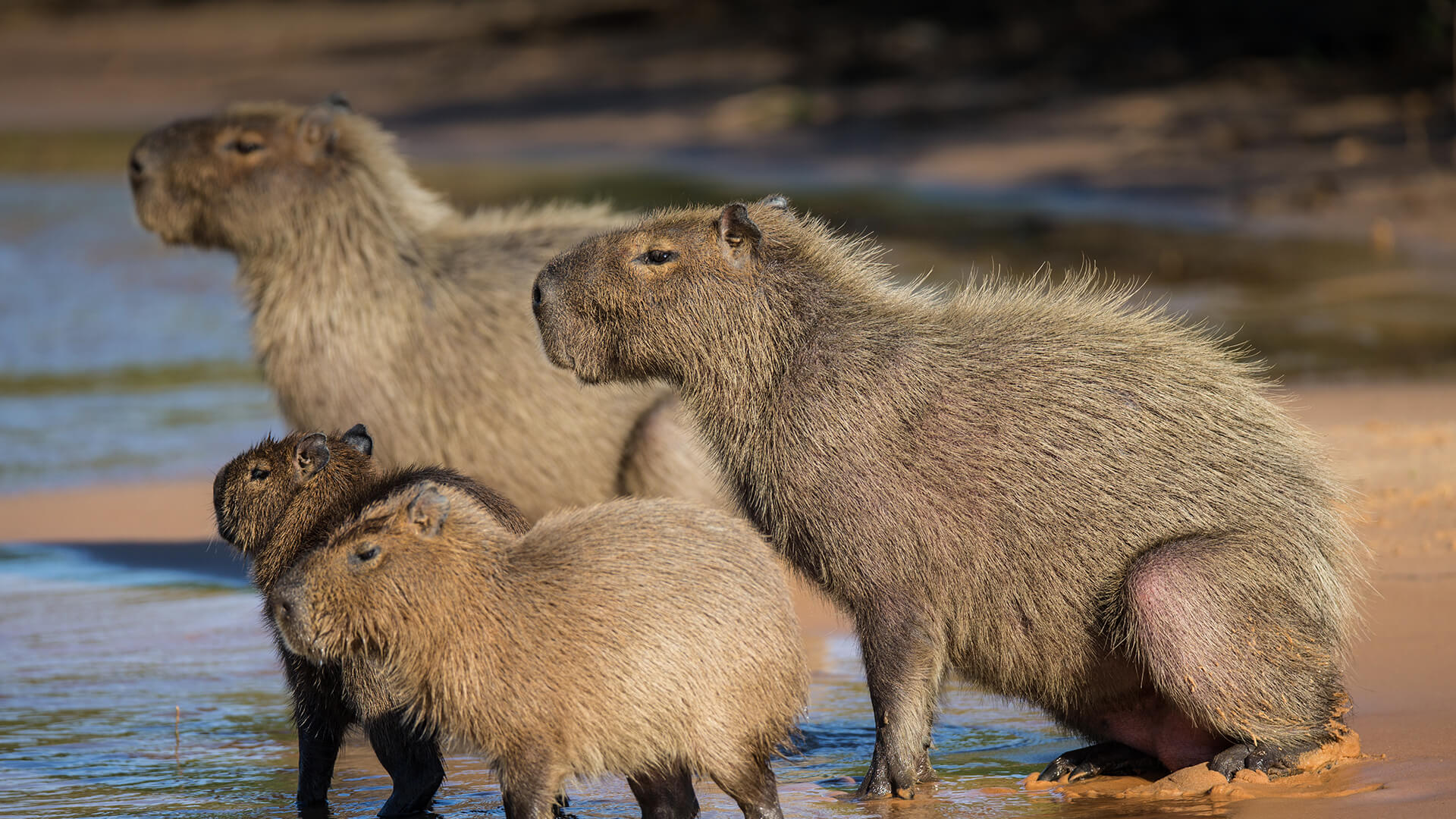
Credit: animals.sandiegozoo.org
Does The San Diego Zoo Have Capybaras?
If you are hoping to see capybaras at the San Diego Zoo, the answer is yes—but there are some details to know. The zoo has displayed capybaras in the past, sometimes in their Lost Forest area, and more recently in other sections with South American animals.
However, the exhibit location can change. Sometimes, capybaras may not be visible due to animal health, exhibit upgrades, or breeding needs. It’s always smart to check the zoo’s official animal list or ask a staff member on the day you visit.
Where To Find Capybaras In The Zoo
Capybaras are often found in the Lost Forest or near the Monkey Trail. These areas focus on animals that live in forests and wetlands. Capybaras share their home with other South American animals, such as tapirs and giant anteaters.
Here’s a simple comparison of capybara-related exhibits at the San Diego Zoo:
| Exhibit Area | Capybara Presence | Other Animals Nearby |
|---|---|---|
| Lost Forest | Usually | Tapir, Anteater |
| Monkey Trail | Sometimes | Monkeys, Birds |
| Outback | Rarely | Koalas, Wallabies |
What Makes The San Diego Zoo’s Capybara Exhibit Special
The San Diego Zoo designs its capybara exhibits to look like their natural environment. You will see lush plants, small pools, and mud banks. This helps capybaras feel comfortable and lets visitors see their true behavior—like swimming, resting, or socializing.
Some unique features of the capybara exhibit include:
- Shaded resting spots that mimic riverbanks
- Pools where capybaras can swim (they are excellent swimmers)
- Informative signs about capybara habits and conservation
Unlike some zoos where animals are behind glass, the San Diego Zoo uses open barriers and water moats, making the exhibit feel more natural.
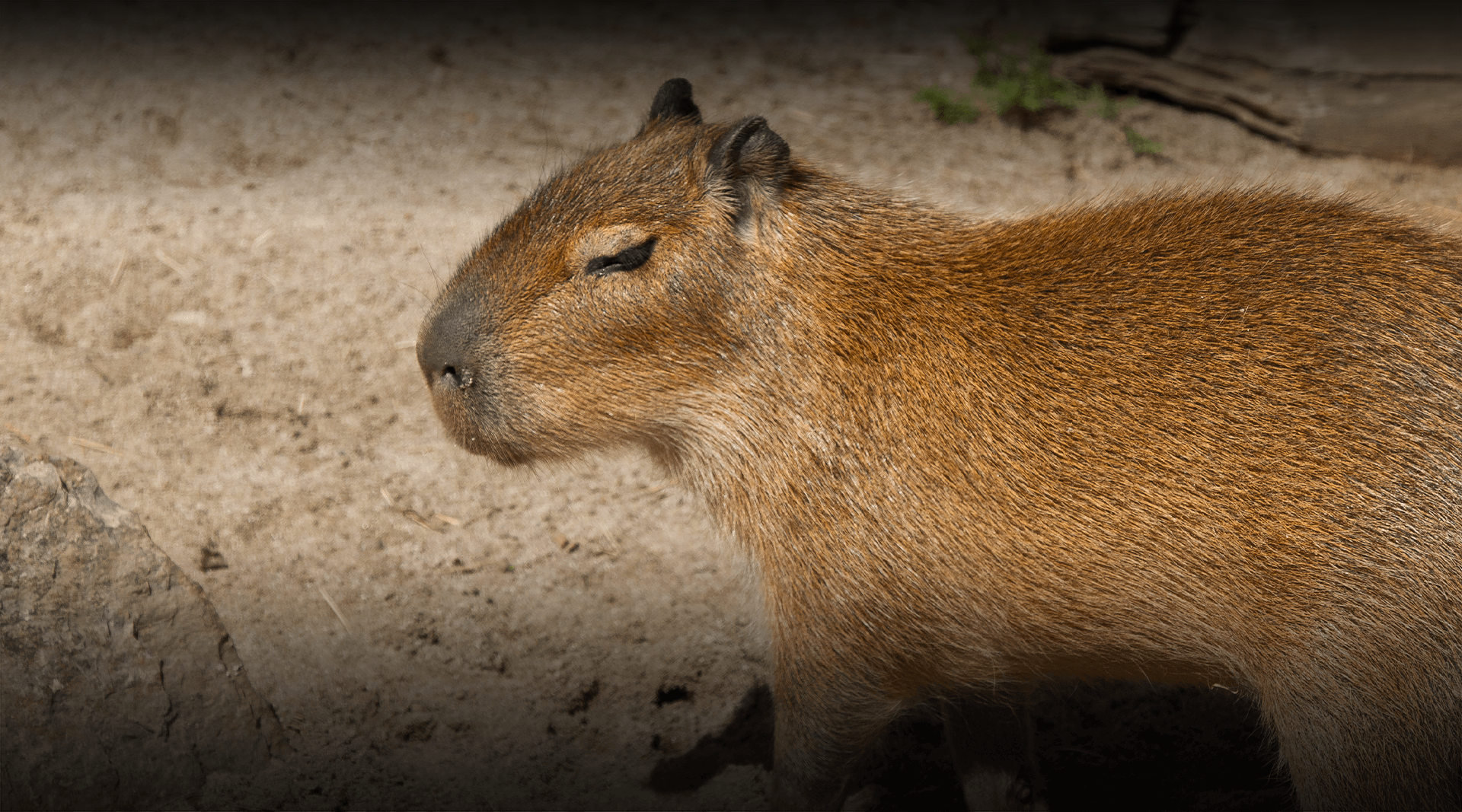
Credit: zoo.sandiegozoo.org
Capybaras In Other Zoos: How Does San Diego Compare?
Not all zoos have capybaras, and even fewer have large, naturalistic spaces for them. The San Diego Zoo is known for high standards in animal care and exhibit design.
Here’s how the San Diego Zoo’s capybara exhibit compares to other major U.S. zoos:
| Zoo Name | Capybara Exhibit Size | Natural Features | Number of Capybaras |
|---|---|---|---|
| San Diego Zoo | Large | Pools, Plants, Mudbanks | 2-5 |
| Bronx Zoo | Medium | Pond, Grass | 1-3 |
| Los Angeles Zoo | Small | Simple Pool | 1-2 |
Notice that the San Diego Zoo offers more space and environmental features. This means happier capybaras and a better experience for visitors.
Tips For Seeing Capybaras At The San Diego Zoo
If you want the best chance to see capybaras, try these tips:
- Visit early in the morning or later in the afternoon. Capybaras are more active when it’s cooler.
- Look near water areas or shaded spots, as capybaras love to relax there.
- Ask zoo staff for updates. Sometimes animals are moved or hidden for their health or for exhibit maintenance.
It’s also good to check the San Diego Zoo’s online map before your visit. Exhibits can change, and the zoo sometimes updates their animal list.
Why Are Capybaras Important In Zoos?
Capybaras are not just cute—they help teach visitors about South American ecosystems. By watching capybaras, people learn about:
- Wetland habitats
- The importance of water for animal survival
- How different animals can live together peacefully
Zoos like San Diego also join global efforts to protect wildlife. Capybaras are not endangered, but their wetland homes are shrinking. Zoos help by teaching visitors and supporting conservation in the wild.
Surprising Things About Capybaras At The San Diego Zoo
Many visitors don’t realize that:
- Capybaras can live with other species, like birds and monkeys, in the same exhibit. This is rare in zoos.
- They sometimes breed in the zoo, giving visitors a chance to see baby capybaras—a true highlight.
- The San Diego Zoo’s animal care staff often work with researchers to study capybara behavior, helping zoos around the world.
Planning Your Visit To See Capybaras
The San Diego Zoo is open every day of the year, usually from 9:00 am to 5:00 pm. Tickets cost around $69 for adults and $59 for children (ages 3-11), though prices can change. Parking is free, and the zoo is easy to reach by car or public transport.
If you want more details about capybara exhibits or any special events, check the official zoo website at San Diego Zoo.
Frequently Asked Questions
How Many Capybaras Does The San Diego Zoo Have?
The number can change, but usually the zoo keeps 2 to 5 capybaras in their exhibit. This lets them live in a small group, just like in the wild.
Can You Touch Or Feed Capybaras At The San Diego Zoo?
No, visitors cannot touch or feed the capybaras. This rule keeps both animals and people safe. The zoo staff provide all care and food for the capybaras.
Do Capybaras Live With Other Animals At The San Diego Zoo?
Yes. Capybaras sometimes share space with tapirs, birds, or monkeys. This mixed exhibit helps show how animals interact in nature.
Are Capybaras Endangered?
Capybaras are not endangered, but their wetland homes are threatened in some parts of South America. Zoos help by educating visitors and supporting research.
What Do Capybaras Eat At The San Diego Zoo?
At the zoo, capybaras eat a diet of grasses, hay, vegetables, and special rodent pellets. This diet is similar to what they eat in the wild.
Visiting the San Diego Zoo gives you a rare chance to see capybaras up close and learn about their world. Whether you are a first-time visitor or a zoo expert, these gentle giants are sure to make your day memorable.
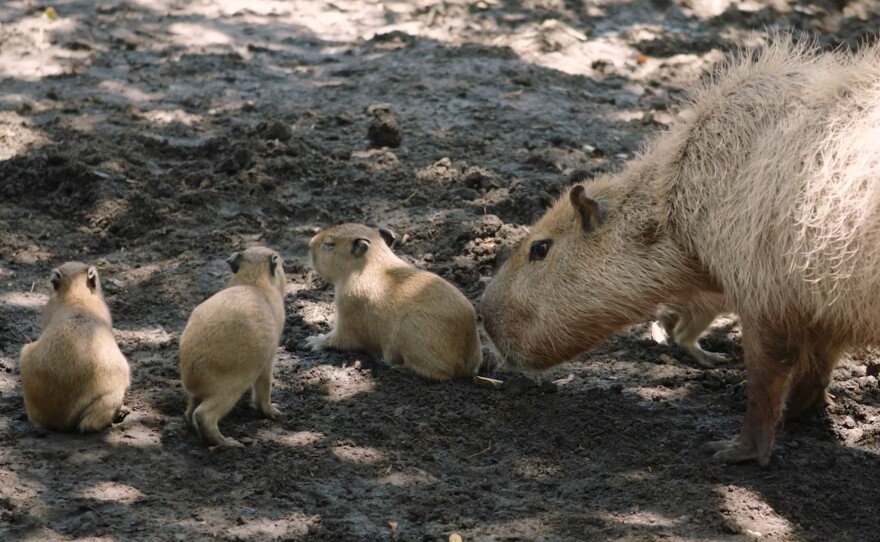
Credit: www.kpbs.org


