

Capybaras are one of nature’s most fascinating creatures. They’re not just the world’s largest rodents—they’re also gentle, social, and surprisingly big. But just how big can a capybara grow? This question sparks curiosity in animal lovers, researchers, and anyone who sees these giant rodents for the first time.
Understanding their maximum size involves looking at their length, weight, and how different factors can influence their growth. Let’s dive into what makes capybaras so unique and how large these animals can actually get.
Capybara Size: The Basics
Most people are surprised when they first see a capybara up close. These animals are much larger than their distant relatives, like guinea pigs or even beavers. A typical adult capybara stands out for its robust body and strong legs, making it look more like a small pig than a rodent.
On average, an adult capybara measures 106 to 134 centimeters (about 3.5 to 4.4 feet) in length. Their height at the shoulder is between 50 and 62 centimeters (around 20 to 24 inches).
When it comes to weight, capybaras are even more impressive. Most adults weigh between 35 and 66 kilograms (77 to 146 pounds). However, some exceptional individuals can grow even larger under the right conditions.
Maximum Size: How Big Can A Capybara Get?
While most capybaras fall within the standard size range, some can exceed expectations. The largest capybaras on record have reached almost 80 kilograms (176 pounds). These giants are rare, but they show the species’ potential for growth. The average length maxes out at 134 centimeters, but some reports mention individuals reaching close to 140 centimeters.
Here’s a comparison between average and record-breaking capybara sizes:
| Measurement | Average Capybara | Largest Recorded |
|---|---|---|
| Weight | 35–66 kg (77–146 lbs) | ~80 kg (176 lbs) |
| Length | 106–134 cm (3.5–4.4 ft) | ~140 cm (4.6 ft) |
| Shoulder Height | 50–62 cm (20–24 in) | ~65 cm (25 in) |
Non-obvious insight: Capybaras living in the wild rarely reach their absolute maximum size. Captive capybaras, with better food and fewer threats, often grow larger.

Credit: twpark.com
Factors That Influence Capybara Growth
Not all capybaras reach their potential size. Several factors affect their growth:
1. Genetics
Just like in humans, genetics plays a huge role. Some capybaras are born with genes that make them naturally larger or smaller than others.
2. Diet And Nutrition
A rich diet helps capybaras grow. In the wild, they eat grasses, aquatic plants, fruits, and tree bark. Captive capybaras often get a more balanced diet, including commercial rodent food and vegetables, which supports maximum growth.
3. Environment
Capybaras living in safe, clean environments with plenty of water often grow larger. Stress, poor water access, or lack of space can limit their growth.
4. Health And Parasites
Parasites and diseases can stunt growth. Healthy capybaras, especially those in zoos or animal parks, are monitored and treated, so they tend to reach bigger sizes.
5. Sex Differences
Male and female capybaras are not the same size. Usually, females are slightly larger than males. This difference is more visible in older adults.
Here’s a quick look at male vs. female capybara sizes:
| Sex | Weight Range | Typical Length |
|---|---|---|
| Male | 35–60 kg (77–132 lbs) | 106–120 cm (3.5–3.9 ft) |
| Female | 40–66 kg (88–146 lbs) | 110–134 cm (3.6–4.4 ft) |
Growth Stages: From Pup To Adult
Capybaras are not born big. They start life as pups, weighing about 1.5 to 2 kilograms (3.3 to 4.4 pounds) at birth. Growth happens quickly in the first year, especially with proper food and care.
- Birth to 3 months: Fastest growth stage. Pups eat solid food within a week, alongside mother’s milk.
- 3 to 12 months: Still growing quickly, but rate slows down. By one year, most are about half their adult weight.
- 1 to 2 years: Growth continues more slowly. Capybaras reach full size at around 18 to 24 months.
Practical tip: Capybaras that are stunted in the first few months rarely catch up in size later.

Credit: www.dimensions.com
Capybara Size Compared To Other Rodents
To appreciate how big capybaras are, it helps to compare them with other well-known rodents.
| Rodent | Average Weight | Average Length |
|---|---|---|
| Capybara | 35–66 kg | 106–134 cm |
| Beaver | 11–32 kg | 74–120 cm |
| Porcupine | 5–16 kg | 60–90 cm |
| Guinea Pig | 0.7–1.2 kg | 20–25 cm |
| Rat | 0.2–0.5 kg | 20–25 cm |
As you can see, the capybara is far larger than any other rodent.
Why Does Capybara Size Matter?
Capybara size is more than just a curiosity. It affects how they live, survive, and interact with their environment.
- Predator avoidance: Larger capybaras are harder for predators like jaguars and caimans to catch.
- Social structure: Size can help in dominance within groups. Bigger females often lead herds.
- Adaptation: Larger size helps capybaras swim better and stay safe in water, a key part of their life.
Non-obvious insight: In captivity, bigger capybaras sometimes have more health problems, like joint issues or heart strain. Size is not always an advantage outside nature.
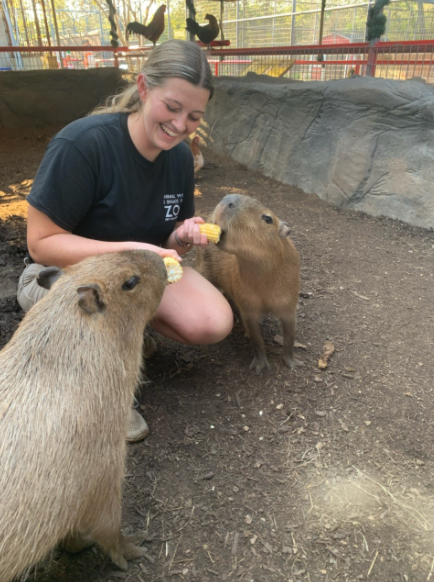
Credit: www.awsfzoo.com
Frequently Asked Questions
How Long Does It Take For A Capybara To Reach Full Size?
Capybaras usually reach their full adult size between 18 and 24 months. Growth is fastest in the first year, then slows down until maturity.
What Do Capybaras Eat To Grow So Large?
Their main diet is grasses and aquatic plants, but they also eat fruits, vegetables, and tree bark. Captive capybaras might get special rodent pellets and leafy greens for extra nutrition.
Can A Capybara Be Kept As A Pet, Considering Their Size?
Yes, but their large size and social needs make them challenging pets. They need lots of space, a pool for swimming, and companionship. Many places require a permit to keep them.
Do Male And Female Capybaras Grow The Same Size?
No, females are usually a bit larger than males. This difference is most clear in older adults.
Where Can I Learn More About Capybara Biology And Size?
The Wikipedia page on Capybara is a reliable source for more details about their biology and physical traits.
Capybaras are not just the world’s largest rodents—they’re also gentle giants, shaped by their environment and lifestyle. Their size makes them unique among mammals and a favorite subject for animal enthusiasts everywhere. Whether in the wild or in captivity, the capybara’s growth story is a fascinating example of how nature and nurture work together.


