

Capybaras are the world’s largest rodents, famous for their calm nature and unique social behavior. These fascinating creatures live across South America in wetlands, forests, and grassy plains. But what allows them to survive and thrive in such diverse habitats?
Their adaptability is the key. Let’s explore how capybaras adjust to their environment, from their physical traits to their social habits, and see why they are masters of survival in the wild.
Physical Adaptations For Wetlands
Capybaras spend much of their time in and around water. Their bodies show several physical adaptations that help them live in wet environments.
- Webbed feet: Each foot has partially webbed toes. This makes swimming and walking on muddy ground easier.
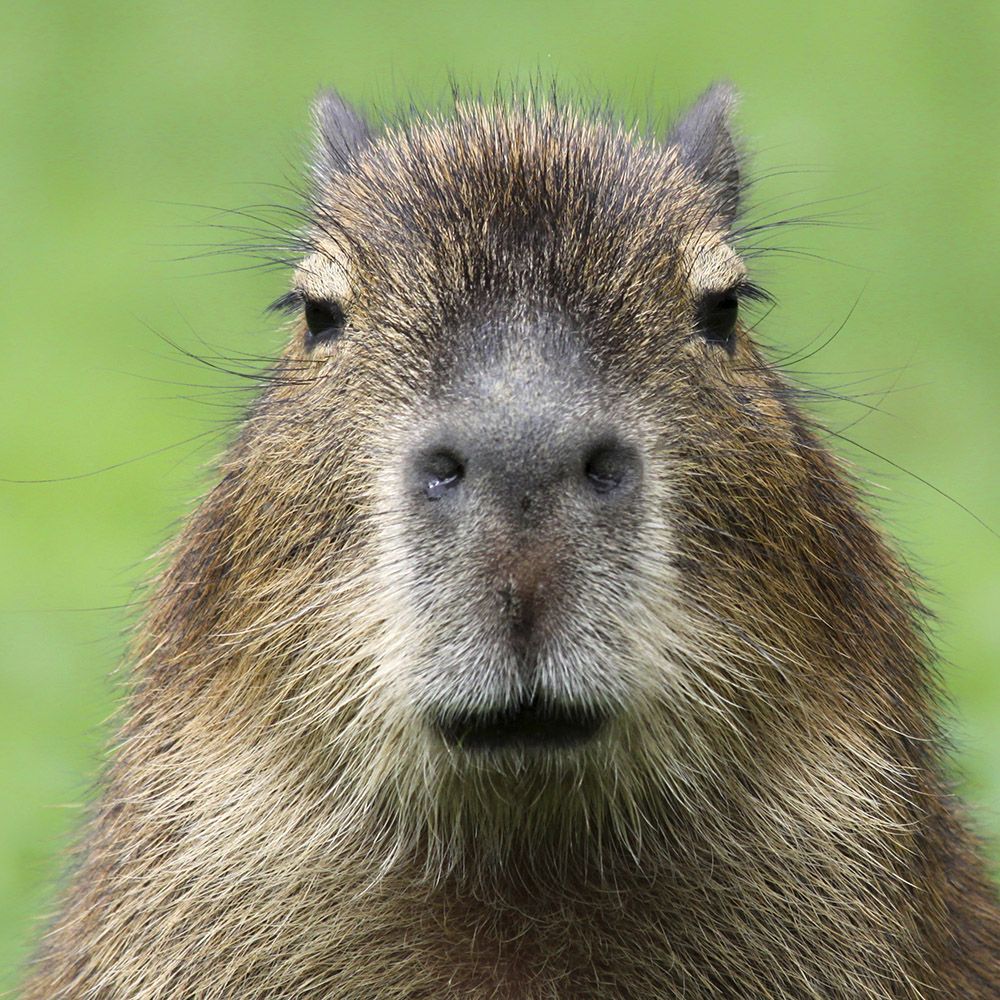
- Eyes and nostrils on top of the head: Capybaras can breathe and watch for danger while mostly underwater.
- Dense fur: Their fur is coarse and helps dry quickly. This keeps their skin from staying wet too long and reduces the risk of disease.
Capybaras are strong swimmers. They can stay underwater for up to five minutes to escape predators like jaguars or caimans. Their flexible bodies and large lungs support this behavior.
Diet And Digestion Flexibility
Capybaras are herbivores, eating mainly grasses, aquatic plants, fruit, and bark. Their digestive system is well-adapted for a high-fiber diet.
- Enlarged cecum: This organ helps break down cellulose from plants using bacteria.
- Coprophagy: Capybaras sometimes eat their own feces to get extra nutrients. This may sound odd, but it helps them absorb more vitamins and proteins.
When dry season comes and green grass is rare, capybaras shift to eating reeds, grains, or even soft tree bark. This diet flexibility means they can survive in changing environments.
Social Structure And Group Living
Living in groups is another way capybaras stay safe and healthy. A typical group has 10–20 members, but sometimes groups can be as large as 100 during the dry season.
- Group vigilance: More eyes mean better predator detection.
- Alarm calls: Capybaras warn each other of danger with barking or whistling sounds.
- Grooming: Social grooming helps keep their fur clean and remove ticks.
Group living also supports raising young. Mothers sometimes nurse each other’s babies, which increases the survival rate of the whole group.
Behavior Adaptations For Survival
Capybaras change their behavior based on the season and threats.
- Nocturnal habits: In areas with many predators or hot weather, capybaras become more active at night.
- Escape strategies: When threatened, they dash into water, often diving and swimming away quietly.
- Sunbathing: Capybaras often rest in the sun to warm up after being in cool water.
These behaviors help them stay comfortable and avoid danger, no matter the conditions.

Credit: www.futureengineers.org
Reproduction And Raising Young
Capybaras breed during the rainy season, when food and water are most available. Their reproductive strategy is shaped by their environment.
- Synchronized births: Many females give birth at the same time. This floods predators with too many young to eat, so more survive.
- Precocial young: Babies are born well-developed and able to follow the group quickly.
Young capybaras can swim soon after birth. Group care ensures that even if a mother is lost, other adults help raise the young.
Temperature And Water Regulation
Capybaras face both hot sun and heavy rainfall. They use clever methods to control their body temperature and stay hydrated.
- Soaking in water: During hot days, capybaras often sit in water to cool down.
- Mud wallowing: This keeps their skin moist and protects against insects.
- Seeking shade: In midday heat, they rest in tall grasses or under trees.
Their ability to find or create a comfortable microclimate helps them survive extreme weather.
Capybara Adaptation Compared To Other Rodents
Capybaras are related to guinea pigs but have unique traits. Here is a comparison showing how capybara adaptations stand out:
| Feature | Capybara | Guinea Pig |
|---|---|---|
| Body Size | 35–66 kg | 0.7–1.2 kg |
| Habitat | Wetlands, rivers | Grasslands |
| Swimming Ability | Excellent | Poor |
| Social Group Size | 10–100 | 2–10 |
This table highlights how capybaras’ larger size, social groups, and swimming skills are linked to their environment.
Seasonal Movement And Habitat Use
Capybaras adjust their location based on food and water availability.
- In the wet season, they spread out across flooded areas.
- During the dry season, they gather near permanent water sources.
Here’s a comparison of their movements:
| Season | Group Behavior | Habitat Use |
|---|---|---|
| Wet Season | Small groups, scattered | Flooded plains, marshes |
| Dry Season | Large groups, concentrated | Riverbanks, lakes |
Moving together helps capybaras find food and avoid predators, even when water is scarce.
Credit: www.rainforest-alliance.org
Human Impact And Urban Adaptation
As cities grow, capybaras sometimes move into urban parks and farmlands. They adapt by:
- Eating crops and garden plants when wild food is rare
- Using artificial ponds and drainage ditches for water
- Becoming more active at night to avoid humans
While this shows their flexibility, it can lead to conflict with people. In some areas, capybaras are protected, while in others, they are seen as pests.
Non-obvious Insights On Capybara Adaptation
Two facts many people miss:
- Capybaras’ thick, oily skin helps resist water loss and parasite infections, which is important in wet and muddy habitats.
- Their vocal communication is complex. Capybaras use over ten different sounds for warnings, greetings, and mother-baby bonding, which improves group survival.
These hidden adaptations are just as important as the visible ones.

Credit: worldrainforests.com
Frequently Asked Questions
How Do Capybaras Avoid Predators?
Capybaras use water as an escape route. They can dive and swim quickly, sometimes staying submerged for several minutes. Their group living and alarm calls also help them detect and avoid predators.
What Do Capybaras Eat During The Dry Season?
When grass is scarce, capybaras eat reeds, grains, and soft tree bark. Their digestive system helps them get nutrients even from tough plants.
Can Capybaras Live In Cities?
Yes, capybaras can adapt to urban areas if there is water and food. They use city parks, ponds, and even backyard gardens, but this can sometimes cause conflict with people.
How Do Capybaras Communicate?
Capybaras use a variety of sounds, including barks, whistles, and purrs. Each sound has a meaning, such as warning of danger or calling their young. This helps keep the group safe and organized.
Are Capybaras Endangered?
Capybaras are not endangered. Their populations are stable, but they are threatened in some places by hunting and habitat loss. Conservation efforts and legal protection help keep their numbers healthy. For more details, you can visit the Wikipedia page.
Capybaras show us how animals can use both physical and social adaptations to survive in changing environments. Their story is a reminder that flexibility and cooperation are powerful tools for life in the wild.


