
Capybaras are the world’s largest rodents, but they’re also famous for something else: their love of water. These gentle giants seem almost built for swimming, easily gliding through rivers, ponds, and lakes in their native South America. But just how fast can capybaras swim? Let’s dive into the details, explore what makes them such skilled swimmers, and uncover some surprising facts about their aquatic abilities.
Capybara Swimming Speed: What The Numbers Say
Capybaras are not the fastest animals in the water, but their swimming speed is impressive for their size. On average, a capybara can swim at speeds between 5 to 8 kilometers per hour (about 3 to 5 miles per hour). To put this in perspective, this is faster than most humans swim and quick enough for capybaras to escape predators like jaguars and caimans in the wild.
Many people are surprised to learn that capybaras can maintain these speeds for extended periods. This endurance helps them cross wide rivers and travel long distances in search of food or safety.
How Capybara Speed Compares
Here’s a quick look at how capybara swimming speed stacks up against some other animals:
| Animal | Average Swimming Speed (km/h) |
|---|---|
| Capybara | 5–8 |
| Human (average) | 3–4 |
| Dog (Labrador) | 6–8 |
| Otter | 10–12 |
| Caiman | 15–25 |
As you can see, capybaras are faster than the average human swimmer and similar to some dog breeds. They are not as fast as otters or caimans, but their steady pace is more than enough for their needs.
Adaptations That Make Capybaras Great Swimmers
Several features help capybaras move quickly and comfortably through water. Unlike many land mammals, their bodies are naturally adapted for swimming.
Webbed Feet
Capybaras have slightly webbed feet. This adaptation increases the surface area of their paws, letting them push more water with each stroke. It’s similar to how flippers work for humans.
Streamlined Body
Their bodies are barrel-shaped and dense, which helps them stay low in the water and glide smoothly. This shape reduces drag, making it easier to move quickly.
Nostrils And Eyes Placement
Capybara eyes, ears, and nostrils are all located near the top of their heads. This allows them to see, hear, and breathe while most of their body stays underwater. It’s a clever design for both swimming and hiding from predators.
Efficient Muscle Structure
Capybaras have strong leg muscles for paddling. Their hind legs do most of the work, pushing them forward with each kick. This muscle structure is ideal for swimming long distances without getting tired.
Lungs And Buoyancy
Their large lungs help them float and stay buoyant. They can also hold their breath for up to five minutes, making it easy to dive or hide underwater when threatened.
Why Capybaras Swim So Often
Capybaras are not just good swimmers—they’re also highly dependent on water for their daily lives. Here’s why they spend so much time in rivers, lakes, and ponds:
- Escaping Predators: When threatened, capybaras dash into the water and swim away, often diving under the surface to hide.
- Regulating Body Temperature: In hot climates, water helps capybaras stay cool and avoid overheating.
- Feeding: They eat many water plants and grasses, so being near or in water is convenient.
- Social Life: Capybaras are social animals. Groups often swim or rest in the water together.
Capybara Swimming In Different Habitats
Capybaras live in many parts of South America, and their swimming style changes depending on their environment. In slow-moving rivers, they swim with calm, steady strokes. In faster water, they use more powerful kicks to move quickly. During the rainy season, some areas flood, and capybaras may swim for hours each day.
Capybaras are also known to cross wide stretches of water when searching for new food sources. In some cases, they have been seen swimming for over a kilometer without stopping.

Credit: www.youtube.com
Survival Skills: How Swimming Keeps Capybaras Safe
Swimming is not just fun for capybaras—it’s also essential for survival. When danger is near, capybaras can:
- Dive underwater and stay hidden for several minutes
- Swim to thick vegetation where predators cannot follow
- Use water as a quick escape route
Capybaras’ ability to swim fast enough to outpace many threats is a key reason they thrive in the wild. Their swimming also lets them explore larger territories and find resources other animals might miss.
Surprising Capybara Swimming Facts
Most people know capybaras swim well, but here are some lesser-known facts:
- Capybaras can sleep in water with just their noses above the surface.
- They sometimes mate while swimming, as water helps them balance and move.
- Young capybaras learn to swim within a few days of birth, often by following their mothers.
These unique behaviors show how much capybaras depend on water throughout their lives.
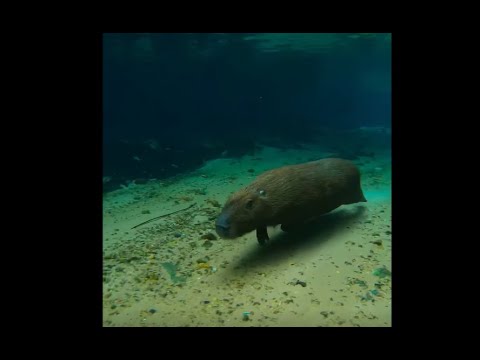
Credit: petcapybara.com
Common Misunderstandings About Capybara Swimming
Many believe capybaras are slow or clumsy because of their size, but the opposite is true in water. Their speed is quite fast for a rodent, and their movements are graceful. Another common myth is that capybaras need to be near water at all times.
While they do need regular access, they can survive for short periods on dry land, especially if food is plentiful.
If you are interested in more details about capybara behavior and adaptations, you can check the Wikipedia page on Capybaras.
Swimming Speed In Different Situations
Capybara swimming speed can change based on several factors:
| Situation | Speed (km/h) | Notes |
|---|---|---|
| Normal travel | 5–6 | Calm, steady pace |
| Escaping predators | 7–8 | Short bursts, high energy |
| Young capybaras | 3–4 | Still learning, slower speed |
This shows that capybaras can increase their speed when needed, especially in dangerous situations.

Credit: a-z-animals.com
Frequently Asked Questions
How Fast Can Capybaras Swim Compared To Humans?
Capybaras swim at around 5–8 km/h. Most people swim at 3–4 km/h, so capybaras are faster than the average human swimmer.
How Long Can Capybaras Stay Underwater?
They can hold their breath for up to five minutes. This helps them avoid predators and rest safely.
Do Capybaras Like Swimming?
Yes, capybaras love water. They spend hours swimming, playing, and relaxing in ponds and rivers every day.
Are Baby Capybaras Good Swimmers?
Young capybaras learn to swim within a few days of birth. While not as fast as adults, they quickly become skilled swimmers.
Can Capybaras Swim In Cold Water?
Capybaras prefer warm climates and warm water. They can swim in cooler water but usually avoid cold temperatures to prevent health problems.
Capybaras may not break speed records, but their swimming skills are remarkable. With webbed feet, a streamlined body, and a love for water, these gentle giants move through rivers and ponds with confidence and grace. Whether escaping danger or simply cooling off, swimming is a central part of capybara life.
Their ability to glide swiftly through water is just one more reason they are so fascinating to watch and study.


