

Have you ever wondered how much a capybara costs? These gentle giants are becoming popular pets, and you might be curious if you can bring one home.
But before you dive in, it’s important to know the real price—not just the money, but the care, space, and time they need. Keep reading to discover everything you need to understand about owning a capybara, so you can decide if it’s the right choice for you.
Capybara Price Range
The price range of a capybara can vary widely depending on several factors. Many people find capybaras to be unique pets, but understanding their cost is important. Prices can differ based on where you live and where you buy the animal. Knowing the cost helps prepare for the responsibilities of owning a capybara.
Factors Affecting Cost
Age plays a big role in the price of a capybara. Younger animals often cost more. Health is also a factor; healthy capybaras may have higher prices. The breeder’s reputation can affect cost too. Capybaras with papers or special care might be more expensive. Availability impacts price. If capybaras are rare in your area, expect to pay more.
Price Variations By Location
Capybara prices change depending on the country or state. Some places have more breeders, which lowers prices. Remote areas or places with fewer sellers often have higher costs. Importing a capybara can add fees and raise the final price. Local laws and permits might also add to the expense.
Where To Buy Capybaras
Buy capybaras from licensed breeders or exotic pet stores. Some farms specialize in raising capybaras for pets. Online marketplaces list capybaras but verify the seller’s credibility. Zoos or animal sanctuaries rarely sell capybaras. Check local regulations before purchasing to avoid legal issues.

Credit: petcapybara.com
Initial Expenses
Getting a capybara as a pet involves some initial costs. These expenses set the stage for your pet’s comfort and health. Understanding these costs helps you prepare better and avoid surprises.
Housing And Enclosure Setup
Capybaras need a spacious, secure enclosure. They love water, so a pool or pond is essential. Building a safe habitat can cost a few hundred dollars. Materials like fencing, shelter, and water features add to the price. Proper shelter protects your capybara from weather and predators.
Feeding Supplies
Capybaras eat fresh vegetables, grasses, and special pellets. Buying feeding bowls, fresh food, and supplements starts the expenses. A steady supply of fresh food is important for their health. Initial purchases might include hay racks and water containers too.
Health Check And Vaccinations
Before bringing a capybara home, a vet checkup is vital. Vaccinations and parasite treatments protect your pet. Initial vet visits can cost from $100 to $300. These costs ensure your capybara stays healthy in a new home.
Ongoing Care Costs
Owning a capybara involves costs beyond the initial price. Ongoing care expenses are important to plan for. These costs keep your pet healthy and happy every day. Understanding daily needs helps you budget properly.
Daily Food Requirements
Capybaras eat fresh vegetables and grass daily. They need about 5 pounds of food each day. Leafy greens like lettuce and kale are good choices. Hay is essential for their digestion and teeth health. Fresh water should be available at all times. Food costs can add up to $30 or more monthly.
Veterinary Care
Regular vet visits keep capybaras healthy. Annual check-ups and vaccines prevent diseases. Unexpected illnesses or injuries may require extra visits. Parasite control and dental care are important too. Veterinary costs can range from $100 to $300 per year. Emergency care can increase expenses quickly.
Grooming And Maintenance
Capybaras need regular grooming to stay clean. Brushing their fur helps remove dirt and loose hair. Nails must be trimmed every few weeks. Their enclosure needs daily cleaning to prevent odors. Bathing is necessary but not frequent. Grooming supplies and cleaning tools add to ongoing costs.
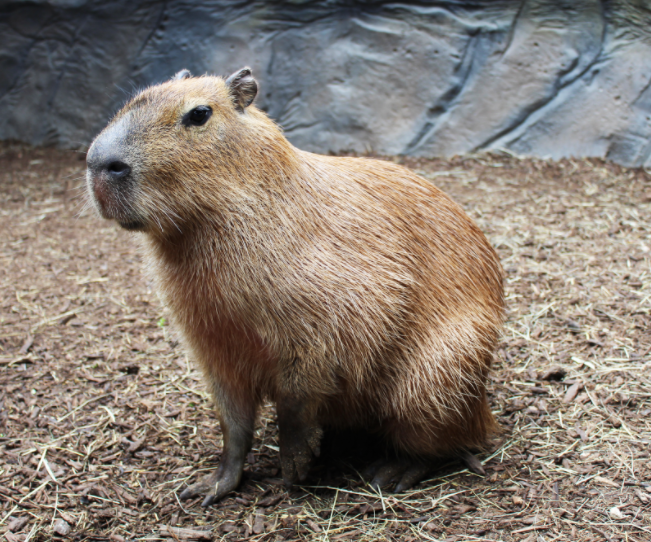
Credit: www.awsfzoo.com
Legal And Ethical Considerations
Owning a capybara involves more than just the cost. Legal and ethical factors matter a lot. These animals need special care and attention. Understanding laws and responsibilities helps keep both you and the capybara safe.
Permits And Regulations
Many places require permits to own a capybara. Laws vary by country and state. Some areas ban owning them entirely. Check local rules before buying a capybara. Proper permits avoid fines and legal trouble. Authorities want to protect wildlife and people. Follow rules to keep your pet legal.
Ethical Pet Ownership
Capybaras need space, water, and social interaction. They are social animals and do not like loneliness. Providing proper care means meeting these needs. Avoid buying capybaras from illegal breeders. Support responsible sellers who care about animal welfare. Think carefully if you can meet their needs daily. Ethical ownership keeps capybaras healthy and happy.
Environmental Impact
Removing capybaras from the wild harms ecosystems. It disrupts local wildlife balance and habitats. Captive breeding helps reduce wild capture. Owning a capybara affects the environment indirectly. Choose pets that do not hurt nature. Protecting wildlife means protecting our planet too.
Capybara Behavior And Social Needs
Capybaras are gentle creatures that need social interaction to thrive. Understanding their behavior helps provide a happy home. Their social needs are important for their well-being and health.
Temperament And Interaction
Capybaras are calm and friendly animals. They enjoy being around people and other animals. They rarely show aggression. Their calm nature makes them good pets for patient owners. They communicate with soft sounds and body language.
Social Grouping
Capybaras live in groups in the wild. Groups usually have 10 to 20 members. They feel safe and happy in groups. Keeping a single capybara alone can cause stress. Group living helps them learn social skills and stay active.
Handling And Training
Gentle handling builds trust with capybaras. They respond well to calm and slow movements. Training is possible with simple rewards like food. They learn basic commands and routines. Patience and consistency are key to training success.
Health And Wellness Tips
Owning a capybara requires understanding its health needs. Healthy capybaras live longer and stay happy. Learning about their health helps prevent problems early. This section shares simple tips for wellness and care.
Common Health Issues
Capybaras can face skin infections and respiratory problems. They may also suffer from parasites like ticks and fleas. Watch for signs like coughing, itching, or lethargy. Early detection helps treat illnesses faster.
Preventive Care
Regular vet check-ups keep your capybara healthy. Clean their living area often to avoid germs. Provide fresh water daily to prevent dehydration. Keep vaccinations and parasite control up to date.
Dietary Recommendations
Capybaras eat mostly grass and vegetables. Offer fresh, leafy greens like lettuce and kale. Avoid sugary or processed foods that harm their digestion. Always provide clean water for drinking and soaking.
Saving Money On Capybara Care
Caring for a capybara can be costly, but saving money is possible. Smart choices help reduce expenses while keeping your pet healthy. Planning and creativity play key roles in managing costs. Small efforts make a big difference in your budget.
Diy Enclosures
Building your own capybara enclosure can save money. Use strong, safe materials that last long. Simple fences and pools work well. Adding natural elements, like logs and plants, keeps your capybara happy. You can customize the space without hiring help.
Affordable Food Options
Feeding a capybara does not have to be expensive. Fresh grass and hay are cheap and healthy. Buy fruits and vegetables in season for lower prices. Growing your own plants is a great way to cut costs. Avoid costly commercial foods unless needed.
Community Resources
Local groups can offer support and advice. Join online forums for tips on care and savings. Some communities share supplies or trade food. Volunteering at wildlife centers may provide useful contacts. Learning from others saves money and effort.

Credit: twpark.com
How Capybara World Can Help You with How Much is a Capybara
Learning Through the Cost of Capybara Care
Wondering “how much is a capybara” opens up a whole world of practical learning beyond just price tags. When you dig into initial expenses and ongoing care costs, you’re not just budgeting—you’re gaining insight into what it truly takes to support a living, breathing capybara. Understanding their social needs and behavior is just as important; it helps you appreciate why these costs matter for their well-being.
At Capybara World, we approach this with the same curiosity and warmth that capybaras inspire. Our founder, Marina Velasco, combines scientific knowledge with real-world experience, making complex care concepts accessible and even fun to learn. If you’re curious about legal considerations or want to dive deeper into health tips, resources like ours can be a helpful companion on your learning journey.
- Budgeting for proper habitat setup
- Recognizing the importance of social companionship
- Planning for veterinary care and nutrition
If questions pop up while you’re exploring, feel free to reach out to hello@capybara-world.com. Sometimes, a friendly chat can make all the difference in understanding what it really means to care for these chill creatures.
Frequently Asked Questions
How Much Does A Pet Capybara Cost?
A pet capybara typically costs between $1,000 and $3,000. Prices vary based on age, breeder, and location. Additional costs include habitat setup, food, and veterinary care. Always buy from reputable breeders to ensure health and legality.
Are Capybaras Expensive To Care For?
Capybara care can be moderately expensive. They need a large enclosure, fresh water, and a specialized diet. Veterinary care and social interaction also add to costs. Planning for ongoing expenses is essential for their well-being.
Where Can I Buy A Capybara Legally?
You can buy a capybara legally from licensed breeders and exotic pet stores. Check local laws, as ownership rules vary by region. Some areas require permits or prohibit capybaras as pets. Always research regulations before purchasing.
What Affects The Price Of A Capybara?
Capybara price depends on age, health, breeder reputation, and location. Rare colors or lineage can increase cost. Legal restrictions and availability also impact prices. Proper documentation and health checks add value.
Conclusion
Capybaras cost varies based on location and care needs. They need space, food, and attention daily. Owning one is a long-term commitment. Understand local laws before buying a capybara. Their price is just one part of ownership. Think carefully before bringing one home.
Enjoy the unique experience, but be prepared. Capybaras can be great pets with proper care.


