

Bringing a capybara into your home as a pet is a unique idea that is growing in popularity. These gentle giants, known as the largest rodents in the world, are famous for their calm and friendly nature. But before you rush to adopt a capybara, it’s important to understand the responsibilities and steps involved.
Caring for a capybara is very different from owning a cat or dog. Their needs are more complex, and there are important legal, practical, and ethical points to consider.
Legal Requirements For Owning A Capybara
Before anything else, you must check the laws in your country or state. Capybaras are not legal pets everywhere. In some places, you need special permits or licenses. In others, owning a capybara is completely banned.
For example, in the United States, capybaras are illegal in states like California and Georgia. In Texas and Pennsylvania, you need a permit. Rules can even vary between cities within a state.
It’s essential to:
- Contact your local animal control office.
- Check with state wildlife authorities.
- Ask about zoning laws for exotic pets.
Ignoring these steps can lead to fines, confiscation of the animal, or legal trouble. Always get written proof of your right to own a capybara.
Where To Get A Capybara
If it’s legal to own a capybara in your area, the next step is finding a reputable source. Never buy a capybara from a random online ad or unlicensed seller.
Safe places to get a capybara include:
- Licensed breeders who specialize in exotic animals.
- Rescue centers or sanctuaries for exotic pets.
When choosing a breeder, ask for:
- Proof of licensing.
- Health records for the animals.
- References from previous buyers.
A healthy capybara from a reliable breeder can cost between $1,000 and $3,000. This does not include shipping, permits, or setup costs. Some breeders have waiting lists, so plan ahead.
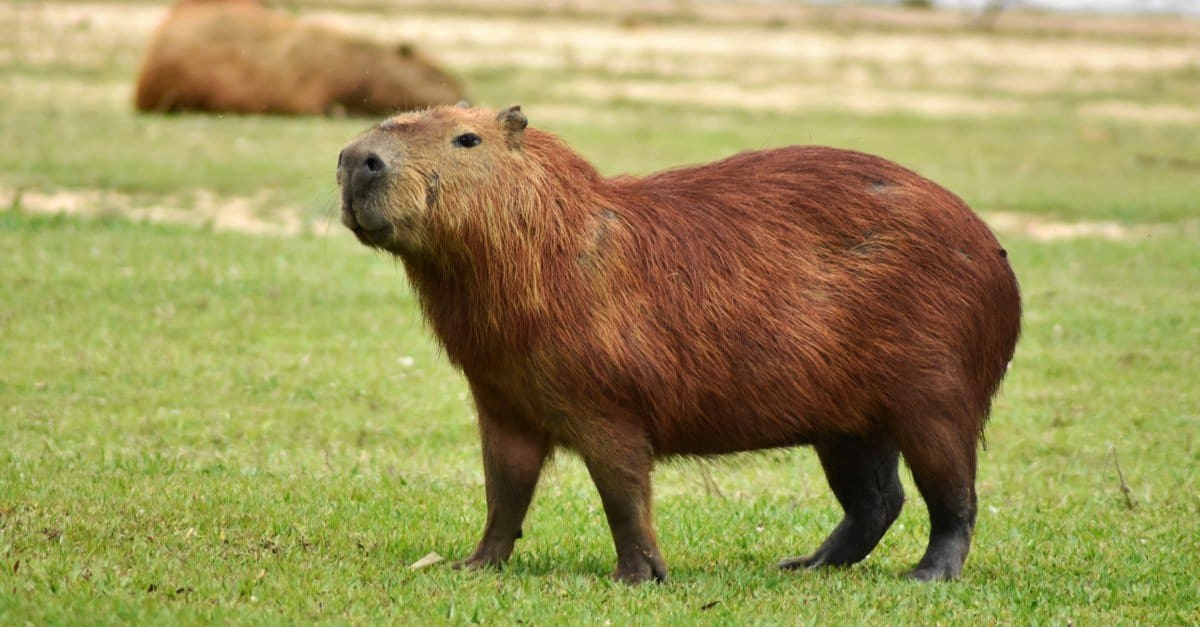
Credit: a-z-animals.com
Preparing Your Home For A Capybara
Capybaras need more than just a cage. They require plenty of space and specific conditions to stay healthy and happy.
Space And Shelter
Capybaras are large and active. Adults can weigh up to 150 pounds and grow over 4 feet long. They need a secure, outdoor enclosure of at least 12×20 feet per animal.
Features to include:
- Fencing at least 4 feet high (they can jump and climb).
- Shelter from sun, wind, and rain.
- Shaded areas to keep cool in hot weather.
Swimming Area
Capybaras are semi-aquatic and must have access to water. A large pond or pool is essential.
Minimum water area per capybara:
- Depth: At least 3 feet
- Surface: At least 6×8 feet
The water must be kept clean and safe. Many owners use pool filters or change the water often.
Capybara Enclosure Comparison
Here is a quick look at the basic enclosure needs compared to other common pets:
| Animal | Minimum Outdoor Space | Water Requirement |
|---|---|---|
| Capybara | 12×20 ft per animal | Pond or pool, 3 ft deep |
| Dog (Large breed) | 6×10 ft per animal | Optional kiddie pool |
| Rabbit | 4×6 ft per animal | Fresh drinking water only |
Daily Care And Feeding
Owning a capybara is a big commitment. Their daily care is more demanding than many expect.
Diet
Capybaras are herbivores. Their diet should be high in fiber and low in sugar.
A typical capybara meal includes:
- Fresh grass or hay (timothy, orchard).
- Fresh vegetables (carrots, lettuce, squash).
- Occasional fruit (apples, melons).
You can also provide rodent block or guinea pig pellets. Always make sure they have access to fresh, clean water.
Feeding Costs Comparison
Here’s how capybara feeding compares to other pets:
| Animal | Monthly Food Cost | Diet Type |
|---|---|---|
| Capybara | $50–$100 | Grass, veggies, pellets |
| Dog (Large breed) | $40–$80 | Commercial dog food |
| Rabbit | $20–$40 | Hay, veggies, pellets |
Social Needs
Capybaras are very social. In the wild, they live in groups of 10–20. A single capybara can become lonely and depressed.
If possible, keep at least two capybaras together. If this is not an option, spend plenty of time with your pet every day. They enjoy gentle touch and may even follow you around.
Health And Veterinary Care
Capybaras need specialized veterinary care. Not all vets are trained to treat exotic animals.
Key health needs:
- Annual checkups with an exotic animal vet
- Vaccinations (if recommended in your area)
- Regular checks for parasites
Capybaras can live 8–12 years with good care. Watch for signs of illness like weight loss, diarrhea, or changes in behavior.
Challenges And Common Mistakes
Many people underestimate the work involved in caring for a capybara. Here are mistakes beginners often make:
- Ignoring legal issues: Always check local laws before buying.
- Too little space: Capybaras need much more room than most pets.
- No water access: They must swim daily for health and happiness.
- Keeping one alone: A lonely capybara is an unhappy capybara.
- No exotic vet nearby: Find a vet before you bring your pet home.
- Underestimating costs: Food, vet care, and enclosure can be expensive.
A non-obvious insight: capybaras have sharp teeth that grow constantly, so they need hard materials (like branches) to chew on and keep their teeth healthy.
Another tip: capybaras can be sensitive to stress and sudden changes. Move slowly and keep their environment calm to avoid health problems.

Credit: www.awsfzoo.com
Is A Capybara Right For You?
Capybaras are rewarding pets for the right person. They are affectionate, intelligent, and can bond strongly with humans. However, they are not for everyone.
Consider your lifestyle:
- Do you have enough outdoor space?
- Can you afford the costs?
- Is there an exotic vet nearby?
- Are you prepared for a long-term commitment?
If you answered “yes” to all, a capybara may be a good fit. If not, consider another pet.
For more details about capybara care and legal status, visit the Wikipedia Capybara Page.
Caring for a capybara is a serious commitment. With the right preparation and attitude, these gentle giants can make wonderful, unusual pets. But always put their well-being first.
Frequently Asked Questions
Are Capybaras Legal To Own Everywhere?
No, capybaras are not legal in every country or state. Always check your local laws and get any needed permits before buying.
Do Capybaras Make Good Pets For Children?
Capybaras are generally gentle, but they are large and strong. They may not be the best pets for small children without close supervision.
How Long Do Capybaras Live As Pets?
With good care, a pet capybara can live 8–12 years.
Do Capybaras Smell Bad?
Capybaras themselves do not have a strong odor, but their enclosures can smell if not cleaned regularly, especially their water area.
Can Capybaras Be Litter Trained?
Some capybaras can learn to use a litter box, but it is not guaranteed. Most will choose their own spots, especially near water.
:strip_icc()/pet-capybaras-giant-guinea-pigs-4101211_final-3d2a80c658db4ef990be09b2cfa6a0fd.png)
Credit: www.thesprucepets.com


