

Capybaras are some of the most unique animals in the world. With their large, friendly faces and calm behavior, they have become internet favorites. But many people wonder about their diet. Is a capybara a carnivore, or do they eat something else?
Let’s dive into everything you need to know about capybara eating habits, including their natural diet, digestive system, and even some surprising facts that beginners often miss.
What Is A Capybara?
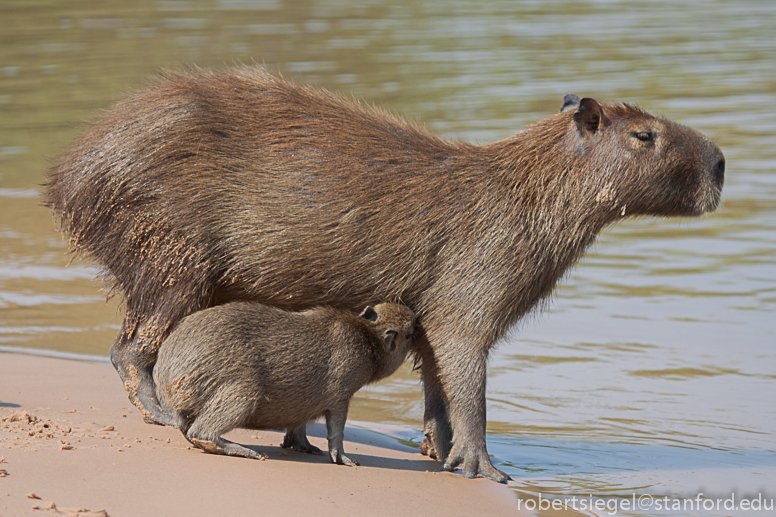
Capybaras are the largest rodents on Earth. Native to South America, they can weigh up to 66 kilograms (about 145 pounds) and reach 1.3 meters (4.3 feet) in length. They live near rivers, lakes, and wetlands, often moving in groups. Their close relatives include guinea pigs and rock cavies.
These animals are known for their gentle nature. Capybaras rarely show aggression and often relax in the company of other animals, even predators. But their diet is where things get interesting.
Understanding Animal Diets: Carnivore, Herbivore, Omnivore
To answer if a capybara is a carnivore, you must first understand the main types of animal diets:
- Carnivores eat only meat (like lions and wolves).
- Herbivores eat only plants (like cows and horses).
- Omnivores eat both plants and animals (like humans and bears).
So where do capybaras fit in? Let’s take a closer look.
Credit: web.stanford.edu
What Do Capybaras Eat In The Wild?
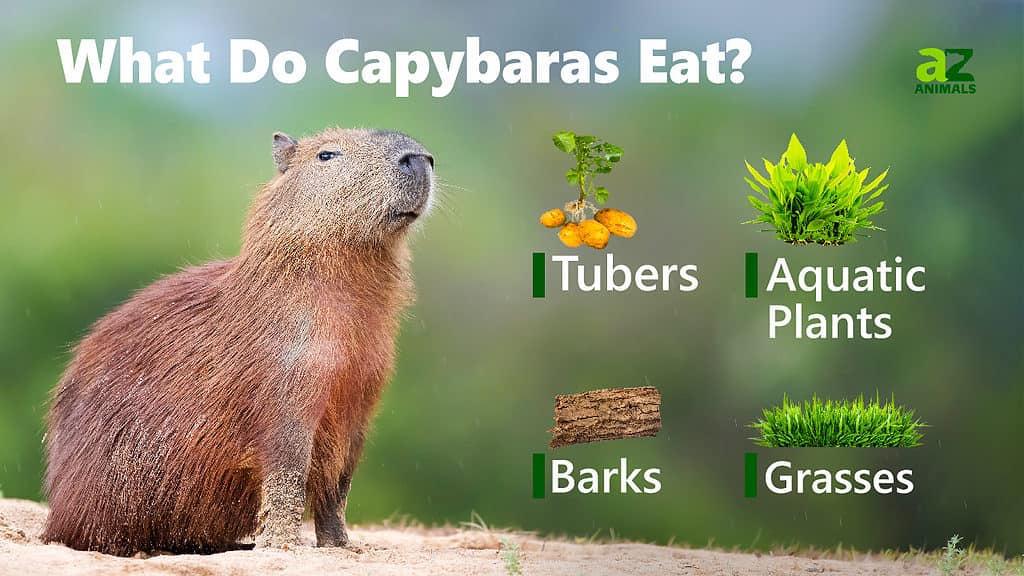
Capybaras are strict herbivores. This means they eat only plants. Their favorite foods include:
- Grasses: This is their main food, especially during the rainy season.
- Aquatic plants: They often feed on water plants found in their habitat.
- Fruits and vegetables: When available, they eat fruits and soft vegetation.
- Tree bark: In the dry season, when grass is less available, they may chew on bark.
Here’s a simple table showing the main foods capybaras eat:
| Food Type | Percentage of Diet | Season |
|---|---|---|
| Grasses | 70% | Rainy |
| Aquatic Plants | 15% | Rainy/Dry |
| Fruits/Vegetables | 10% | Rainy |
| Tree Bark | 5% | Dry |
Capybaras spend several hours a day grazing. They need to eat a lot to keep up with their size and energy needs. Unlike carnivores, they have teeth and digestive systems designed for chewing and breaking down tough plants.
How Capybaras Digest Their Food
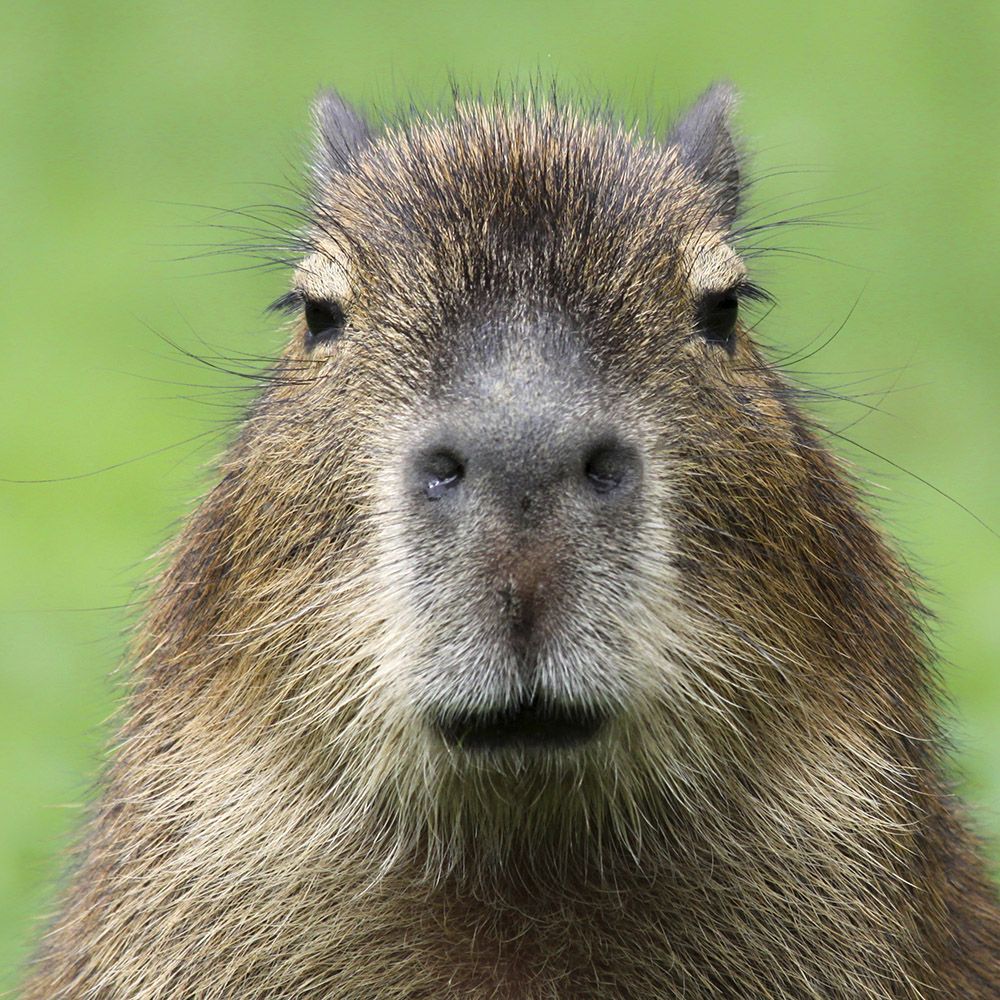
Capybaras have a very special digestive system. Their stomach and intestines are designed to handle a high-fiber, plant-based diet. One important fact many people do not know: capybaras practice coprophagy. This means they eat some of their own droppings to help digest food better.
Here’s how it works:
- They eat plants and grasses, which are hard to digest.
- The food passes through their digestive system once, but some nutrients are still trapped in the fibers.
- Capybaras produce special soft droppings, which they eat again.
- This second digestion helps them absorb more vitamins and nutrients.
This process is very different from carnivores, whose bodies are built to digest meat quickly and easily.
Credit: www.rainforest-alliance.org
Capybara Vs. Carnivores: Key Differences
To understand why capybaras are not carnivores, it helps to compare their biology with true meat-eaters:
| Feature | Capybara | Carnivore (e.g., Lion) |
|---|---|---|
| Teeth | Flat, for grinding plants | Sharp, for tearing meat |
| Stomach | Large cecum for fiber | Simple, acidic for meat |
| Diet | Plants only | Meat only |
| Digestive process | Coprophagy, fermentation | Fast protein digestion |
This shows that capybaras are built for a plant-based life. They do not have the tools or digestive system to hunt or eat meat.
What Do Capybaras Eat In Captivity?
In zoos and on farms, capybaras eat a diet similar to their wild relatives. Their meals often include:
- Fresh grass or hay
- Leafy greens like lettuce or kale
- Root vegetables such as carrots or sweet potatoes
- Special rodent pellets that provide extra nutrients
Sometimes, caretakers offer small amounts of fruit as a treat. However, too much sugar is not healthy for them.
It is important to never feed capybaras meat, dairy, or processed foods. These can make them sick because their bodies cannot handle animal proteins or fats.
Surprising Facts About Capybara Diet
Many people assume all large animals eat meat, but capybaras are an exception. Here are two non-obvious facts beginners usually miss:
- Capybaras can eat up to 8 pounds (about 3.6 kg) of grass per day. This is much more than many other rodents and shows how much fiber they need.
- Their teeth never stop growing. Like other rodents, capybaras must chew tough plants constantly to wear down their teeth. If they don’t, their teeth can grow too long and cause health problems.
Common Myths About Capybara Eating Habits
Some myths and misunderstandings exist around capybara diets:
- Myth: Capybaras sometimes eat meat.
Fact: There are no scientific reports of wild or captive capybaras eating meat. Any such behavior is extremely rare or caused by unusual circumstances.
- Myth: Capybaras can be fed dog or cat food.
Fact: These foods contain animal protein, which capybaras cannot digest properly.
- Myth: Capybaras eat fish or insects.
Fact: Capybaras do not hunt or eat fish, insects, or any animal products.
If you want to learn more about animal diets, check the Wikipedia entry on carnivores.
Credit: a-z-animals.com
Frequently Asked Questions
Are Capybaras Strict Herbivores?
Yes, capybaras are strict herbivores. They eat only plant materials such as grass, aquatic plants, and the occasional fruit or vegetable.
Can Capybaras Eat Meat If Offered?
No, capybaras should never eat meat. Their digestive systems cannot process animal proteins, and eating meat can cause serious health problems.
Do Capybaras Eat Their Own Poop?
Yes, they do. This process is called coprophagy. It helps capybaras get more nutrients from their high-fiber diet.
What Happens If A Capybara Eats Animal Products?
Eating animal products can make capybaras very sick. Their bodies are not designed to handle fats and proteins from meat, dairy, or eggs.
How Much Do Capybaras Eat Every Day?
An adult capybara can eat around 6 to 8 pounds (2.7–3.6 kg) of grass and plants each day, depending on its size and activity level.
Capybaras are fascinating animals, but when it comes to their diet, the answer is clear: they are not carnivores. These gentle giants are true herbivores, specially adapted to eat tough plants and grasses. If you ever care for or observe capybaras, remember to respect their plant-based needs. Understanding what makes them unique helps us appreciate these amazing creatures even more.


