

Capybaras are fascinating animals that often capture attention with their calm nature and social habits. Many people are curious about what these unique creatures eat and how they survive in the wild. If you have ever wondered, “Is a capybara a herbivore?
” you are not alone. Understanding their diet and how it shapes their lifestyle helps us learn more about these gentle giants. Let’s explore the capybara’s eating habits, digestive system, and how their diet impacts their environment.
What Is A Capybara?
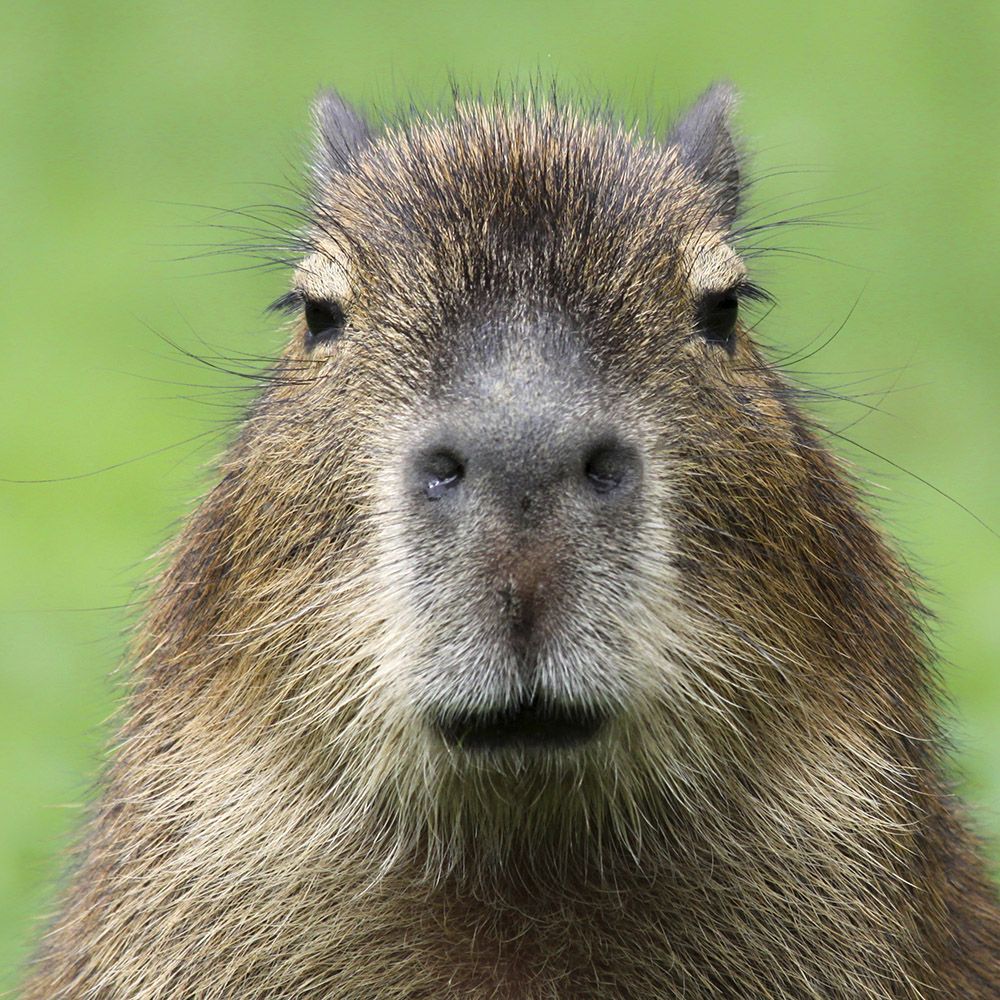
The capybara is the largest rodent in the world. Native to South America, they live near rivers, lakes, and wetlands. Adult capybaras can weigh up to 66 kg (145 lbs) and measure about 1.2 meters (4 feet) long. They are highly social, often seen in groups of 10 to 20 individuals.
Capybaras are semi-aquatic, meaning they spend a lot of time in water. Their webbed feet help them swim, and they can hold their breath for up to five minutes. Their gentle behavior and unique looks have made them popular both in the wild and in zoos worldwide.
Capybara Diet: Herbivore Or Not?
Capybaras are classified as herbivores. This means they eat only plant-based foods. Unlike omnivores or carnivores, they do not eat meat or animal products. Their diet consists mainly of grasses, aquatic plants, and sometimes fruits or tree bark.
Main Foods Capybaras Eat
Their favorite foods include:
- Grasses: Capybaras eat a wide variety of grasses, which make up most of their diet.
- Aquatic plants: These are found in their river and lake habitats.
- Fruits and vegetables: Occasionally, they will eat melons or squashes if available.
- Tree bark and reeds: During dry seasons, they chew on bark or reeds when grass is scarce.
Capybaras may consume up to 3-3. 5 kg (6. 5-7. 7 lbs) of fresh grass daily. This high intake is necessary because plants are low in calories and nutrients.
What Makes Them True Herbivores?
A herbivore is an animal that eats only plants. Capybaras have teeth designed for grinding tough plant fibers. Their large, flat molars help break down cellulose, the main part of plant cell walls. This makes them efficient at digesting fibrous materials.
Capybaras have a unique digestive process called hindgut fermentation. This means that bacteria in their large intestine help break down tough plant fibers. This process is slow but allows them to get the most nutrients possible from their food.
How Capybaras Digest Their Food
Unlike cows, capybaras do not have multiple stomachs. Instead, their large cecum (a special part of the gut) is filled with bacteria and microbes. These microbes help digest cellulose and release nutrients.
One unusual behavior of capybaras is coprophagy. This means they eat their own soft droppings, usually early in the morning. By doing this, they pass plant material through their digestive system a second time. This helps them absorb extra vitamins and nutrients, especially vitamin B.
Digestive System Comparison
To understand how capybaras compare with other herbivores, see the table below:
| Animal | Stomach Type | Fermentation Area | Coprophagy |
|---|---|---|---|
| Capybara | Single-chambered | Hindgut (cecum) | Yes |
| Cow | Four-chambered | Foregut (rumen) | No |
| Rabbit | Single-chambered | Hindgut (cecum) | Yes |
Capybaras and rabbits both use hindgut fermentation and practice coprophagy, while cows use a different system.
Importance Of Diet In Capybara Life
The capybara’s herbivorous diet affects nearly every part of their life. Grazing takes up a large part of their day. They feed early in the morning and late in the afternoon to avoid the midday sun.
Their need for water-rich plants is why they live near bodies of water. It helps them stay hydrated and cool. When food is scarce, capybaras may travel far to find fresh grass.
Social Eating
Capybaras often eat in groups. This behavior helps protect them from predators, since more eyes watch for danger. Eating together also helps young capybaras learn what is safe to eat.

Credit: www.pbs.org
Capybara Diet In Captivity
In zoos or as pets, capybaras are given a diet that matches their natural needs. It usually includes:
- Hay or fresh grass: Main part of the diet.
- Leafy greens: Such as lettuce or dandelion greens.
- Root vegetables: Carrots and sweet potatoes in small amounts.
- Pelleted rodent food: Special pellets made for rodents.
Too much fruit or processed food can cause health problems, like obesity or dental disease. It is important to mimic their wild diet as closely as possible.
Comparison: Wild Vs. Captive Diet
Here’s how their wild and captive diets compare:
| Food Type | Wild Capybara | Captive Capybara |
|---|---|---|
| Grasses | Common | Common (hay) |
| Aquatic plants | Frequent | Occasional |
| Fruits | Rare | Small amounts |
| Leafy greens | Seasonal | Daily |
Capybaras And Their Environment
Capybaras play a role in shaping their environment. By eating grasses and aquatic plants, they help control vegetation growth. This keeps rivers and wetlands healthy and prevents overgrowth.
Their droppings also add nutrients to the soil, helping other plants grow. In areas with many capybaras, you may see open patches of grass, which are created by their grazing habits.
:max_bytes(150000):strip_icc()/GettyImages-528162130-53d0c5076eb14915ade61b5d3021294f.jpg)
Credit: www.treehugger.com
Surprising Facts About Capybara Eating Habits
- Selective feeders: Capybaras often choose the youngest, softest grasses. These are easier to digest and have more nutrients.
- Water-loving grazers: Sometimes, capybaras will eat plants while standing in shallow water. This helps them stay cool and avoid insects.
These details are not always obvious to beginners but show how well capybaras are adapted to their environment.
Common Misconceptions
Some people think capybaras eat fish or insects. This is incorrect. Their teeth and digestive system are not built for animal protein. Feeding capybaras meat or high-protein foods can make them sick.
Another mistake is offering too much fruit. In the wild, sweet fruits are rare. Too much sugar can lead to health issues.
Credit: www.rainforest-alliance.org
Frequently Asked Questions
Do Capybaras Ever Eat Meat?
No, capybaras are strict herbivores. They do not eat meat, fish, or insects. Their teeth and digestive system are only suited for plant foods.
Why Do Capybaras Eat Their Own Droppings?
Capybaras practice coprophagy to get more nutrients, especially B vitamins, from their food. This helps them stay healthy and make the most of tough plant material.
Can Capybaras Eat All Types Of Grass?
Not all grasses are safe. Capybaras prefer young, soft grasses and avoid tough or toxic varieties. In captivity, it is important to provide safe, pesticide-free grass.
How Much Do Capybaras Eat Each Day?
An adult capybara can eat 3-3.5 kg (6.5-7.7 lbs) of grass daily. Their large size and active lifestyle mean they need a lot of food to stay healthy.
Where Can I Learn More About Capybara Diets?
You can read more about capybara diets and biology at the Wikipedia Capybara page.
Capybaras are peaceful, plant-eating animals with special ways of getting the most from their vegetarian diet. Their eating habits are key to their survival and impact their habitats in many ways. Knowing what capybaras eat helps us care for them better, both in the wild and in captivity.
Understanding their herbivorous nature also reminds us of the rich variety in the animal world and the importance of each species’ role in nature.


