

Capybaras are the world’s largest rodents, and their calm nature makes them fascinating to both scientists and animal lovers. People often wonder if this gentle giant is at risk of disappearing. Understanding the status of the capybara and what threatens it is important for anyone who cares about wildlife.
What Is A Capybara?
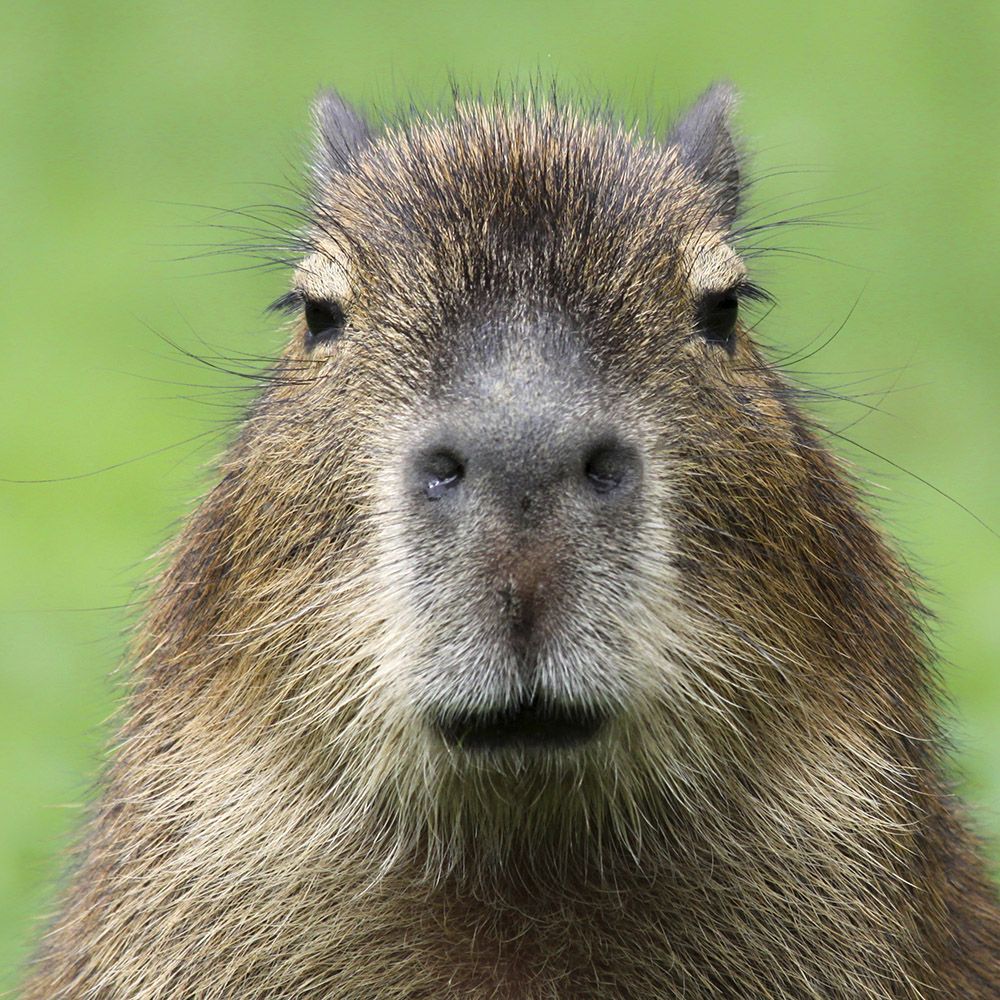
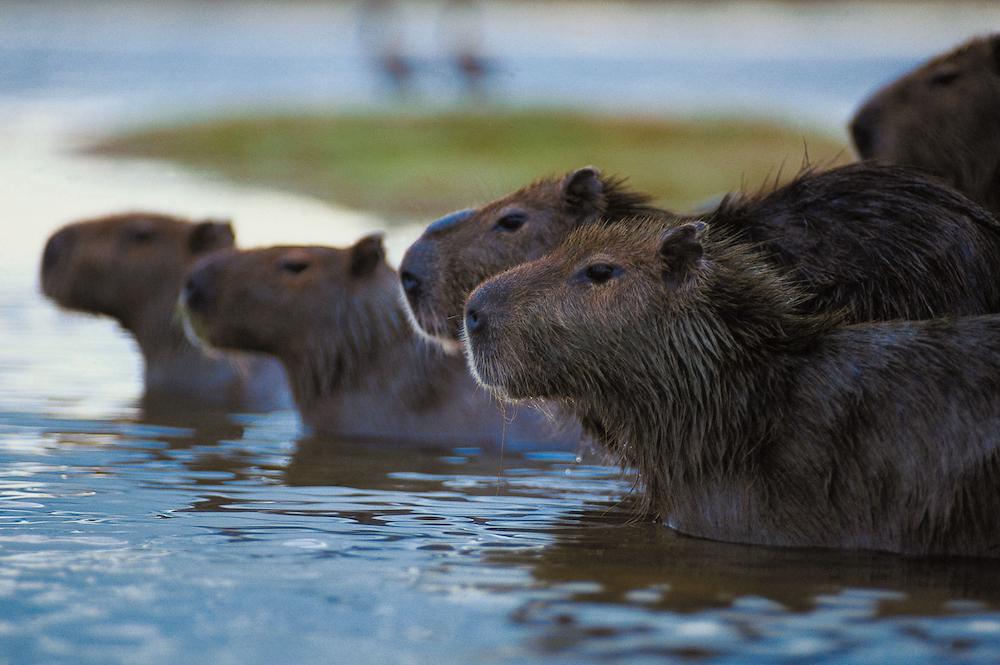
The capybara (Hydrochoerus hydrochaeris) is native to South America. It looks a bit like a giant guinea pig, with a barrel-shaped body and short legs. Adults can weigh up to 66 kg (145 pounds) and reach about 1.3 meters (4.3 feet) in length. Capybaras live in groups near rivers, lakes, or swamps, and they are excellent swimmers.
These animals are social and spend most of their lives in groups of 10–20, but sometimes up to 100 during the dry season. Capybaras eat mainly grass, aquatic plants, and some fruit. Their ability to adapt to different environments has helped them survive in the wild and even near human settlements.
Capybara Conservation Status
According to the International Union for Conservation of Nature (IUCN), the capybara is classified as Least Concern. This means it is not currently endangered or threatened on a global scale. The IUCN bases this status on:
- Wide distribution: Capybaras are found in most countries of South America east of the Andes, from Panama to northern Argentina and Uruguay.
- Large population size: There are millions of capybaras in the wild.
- High adaptability: They can live in forests, grasslands, and even agricultural areas.
However, this status does not mean the capybara faces no risks. Local threats and pressures exist, and populations can decline in some regions. The following table compares the capybara’s status to other large rodents:
| Species | IUCN Status | Main Threats |
|---|---|---|
| Capybara | Least Concern | Habitat loss, hunting |
| Beaver | Least Concern | Habitat loss |
| Patagonian Mara | Near Threatened | Habitat loss, hunting |

Credit: worldrainforests.com
Threats To Capybara Populations
While capybaras are not endangered, they do face several risks in certain areas:
- Habitat destruction: Deforestation and the draining of wetlands for farming or urban growth can reduce the places capybaras live.
- Hunting: In some countries, capybaras are hunted for their meat and hide. Overhunting can reduce local populations.
- Human-wildlife conflict: Capybaras sometimes eat crops, which can lead to conflict with farmers who may kill or relocate them.
- Climate change: Changes in rainfall can affect the wetlands that capybaras depend on, making some areas unsuitable for them.
- Water pollution: Chemicals and waste from farms or cities can pollute rivers and lakes, harming the plants capybaras eat or making them sick.
A less obvious threat is illegal pet trade. In some regions, people try to keep capybaras as pets, which is often stressful for the animal and can reduce wild populations if it becomes popular.
Capybara Population Trends
Capybara numbers are stable or even rising in many parts of South America. This is partly because capybaras can live in areas modified by people, such as cattle ranches and rice fields. In some countries, like Venezuela and Brazil, capybaras are managed as a renewable resource. There, controlled hunting and farming are allowed, and this system provides economic value while maintaining healthy populations.
The following table shows estimated capybara population trends in several countries:
| Country | Population Trend | Conservation Actions |
|---|---|---|
| Brazil | Stable | Hunting controls, wetland protection |
| Argentina | Stable | Protected areas |
| Venezuela | Increasing | Capybara farming |
| Colombia | Stable | Hunting allowed with permits |
Credit: www.rainforest-alliance.org
Conservation Efforts And Success Stories
Capybaras are a good example of how management can support wildlife. Some important actions include:
- Protected wetlands: Many countries have created reserves to protect capybara habitats.
- Hunting regulations: Rules limit the number of capybaras hunted each year.
- Education programs: Teaching local communities about capybara’s role in the ecosystem helps reduce conflict.
- Sustainable use: In places where capybaras are farmed, strict rules ensure the wild population is not harmed.
An insight beginners often miss is that capybara farming can actually help wild populations by reducing the pressure of illegal hunting. Also, healthy capybara groups support other wildlife by keeping grass short and creating habitats for birds and fish.
Capybara’s Role In The Ecosystem
Capybaras are more than just cute, social animals. They play a key role in their environment:
- Grazers: By eating grass and aquatic plants, they help shape the wetland ecosystem.
- Food source: Many predators, such as jaguars, anacondas, and caimans, rely on capybaras for food.
- Seed dispersers: Capybaras spread seeds from the plants they eat, helping new plants grow.
If capybaras disappeared, there would be a serious impact on the food chain and plant life in South American wetlands.
Credit: www.greenmatters.com
Common Misconceptions
Many people think that all wild animals are at risk. While capybaras face local threats, their overall population is not currently in danger. Another mistake is to believe that keeping capybaras as pets is harmless. In reality, these social animals need large groups and open space, which most homes cannot provide.
How To Help Capybaras
If you want to support capybara conservation, consider these steps:
- Support organizations that protect wetlands and wildlife.
- Learn about responsible tourism if visiting South America.
- Avoid buying exotic pets, including capybaras.
- Share accurate information about capybaras to help correct myths.
For more details about the capybara’s conservation status, you can visit the Wikipedia page.
Capybaras show us that not all large animals are endangered. However, they still need healthy habitats and responsible management to thrive. Understanding their status helps us protect them and the ecosystems they call home.
Frequently Asked Questions
Is The Capybara Endangered?
No, the capybara is classified as Least Concern by the IUCN. This means it is not endangered, but local populations can face threats like hunting and habitat loss.
Where Do Capybaras Live?
Capybaras live in most of South America, especially near rivers, lakes, and wetlands. They are found in countries like Brazil, Argentina, Venezuela, and Colombia.
Are Capybaras Hunted?
Yes, in some regions, capybaras are hunted for their meat and hide. However, hunting is regulated in many countries to prevent overhunting.
Can Capybaras Be Kept As Pets?
It is not recommended. Capybaras are social, wild animals that need a lot of space and company. Keeping them as pets can cause stress and health problems.
What Can I Do To Protect Capybaras?
Support wetland protection, learn about wildlife, avoid buying capybaras as pets, and share correct information to raise awareness about their needs.


