
Florida is famous for its unique wildlife, from alligators to manatees. But people often wonder about something less expected: capybaras. These gentle, giant rodents are native to South America, but rumors and stories suggest they might be living wild in Florida. So, is there truth to this? If you walk near a Florida lake, could you spot a capybara? Let’s dive into the facts, myths, and what you should know about capybaras in the Sunshine State.
What Are Capybaras?
Capybaras are the world’s largest rodents. Adults can weigh up to 150 pounds and reach up to 4 feet long. They look like giant guinea pigs and are known for their calm, social behavior. Capybaras love water and spend much of their time swimming or relaxing at the water’s edge. They eat mostly grasses and aquatic plants. In the wild, they are found in countries like Brazil, Venezuela, and Colombia.
Are Capybaras Native To Florida?
Capybaras are not native to Florida. Their natural habitat is in South America’s wetlands and riverbanks. Florida, however, has a climate and ecosystem that is somewhat similar to their native range. This has led to some capybaras surviving in the wild after escaping or being released from captivity.
How Did Capybaras Get To Florida?
The story of capybaras in Florida starts with exotic pet ownership and private farms. Some capybaras were brought to Florida as pets or for display at animal parks. Over the years, a small number escaped or were released. This is not unusual in Florida, where the warm climate allows many non-native species to survive.
One well-known incident happened in the 1990s. A group of capybaras escaped from a wildlife ranch near Gainesville. Since then, sightings have been reported in north and central Florida, especially near lakes and marshes.
Are There Wild Capybara Populations In Florida?
Yes, but only in very small numbers. Researchers have confirmed that some capybaras are living in the wild, especially in the area around Paynes Prairie Preserve near Gainesville. The Florida Fish and Wildlife Conservation Commission (FWC) has received several credible reports.
Here is a summary of sightings and evidence:
| Year | Location | Number of Capybaras | Notes |
|---|---|---|---|
| 1995 | Gainesville Area | ~10 | Escaped from ranch |
| 2007-2019 | Paynes Prairie | 1-5 | Repeated sightings |
| 2021 | Lake County | 2 | Photographic evidence |
The population is not large or widespread. Unlike other invasive species in Florida, such as Burmese pythons or iguanas, capybaras have not established large breeding colonies.
Why Haven’t Capybaras Become Widespread In Florida?
There are a few reasons why capybaras have not become common in Florida:
- Predators: Florida has alligators, coyotes, and bobcats, which can prey on capybaras, especially young ones.
- Small Starting Population: Only a handful escaped or were released, making it hard to build a stable population.
- Habitat Needs: Capybaras need water and lots of grass, so only certain areas are suitable.
- Human Detection: Capybaras are large and visible, making it easier for wildlife officials to track and remove them if needed.
Can You Legally Own A Capybara In Florida?
Yes, but there are strict rules. Capybaras are considered Class III wildlife in Florida. Owners must get a permit from the FWC and follow specific guidelines for housing and care.
Here is a quick comparison between owning a capybara and other exotic pets in Florida:
| Animal | Permit Required? | Special Housing? | Public Safety Risk |
|---|---|---|---|
| Capybara | Yes | Yes | Low |
| Python | Yes | Yes | High |
| Sugar Glider | No | No | Low |
If a capybara escapes or is released, it can survive in the wild, so the state takes ownership rules seriously.
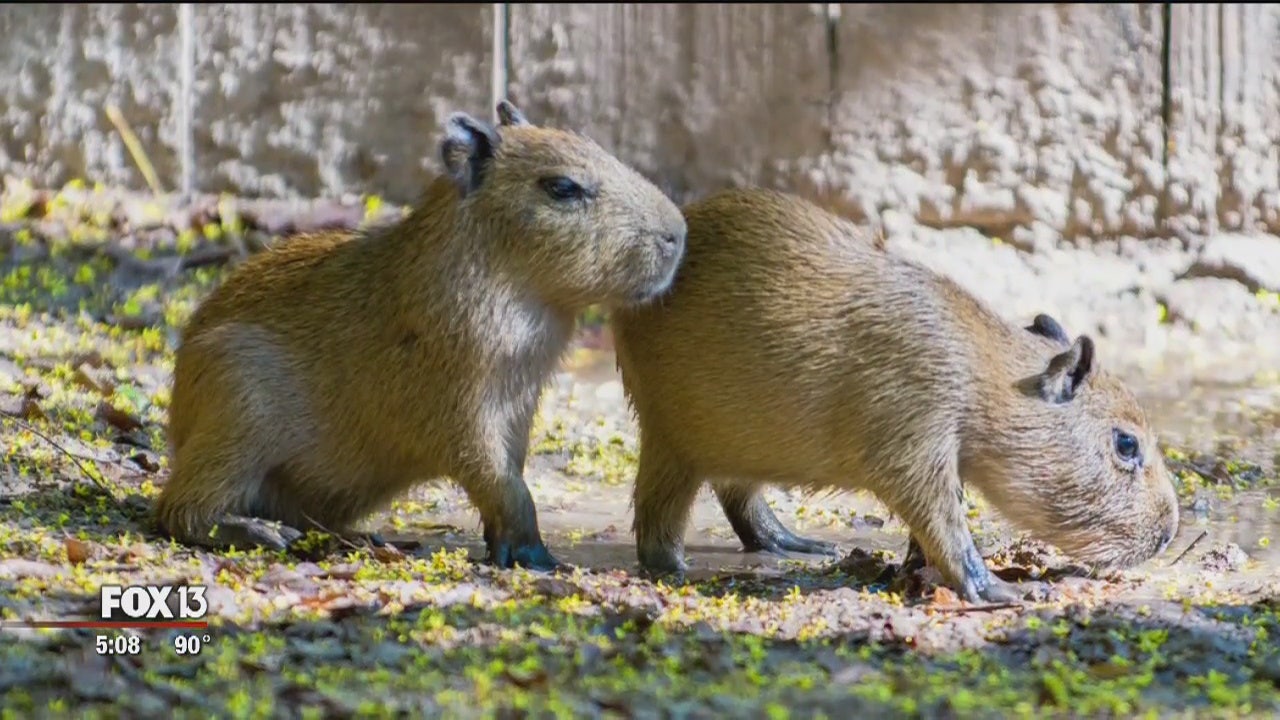
Credit: www.fox13news.com
Are Capybaras A Threat In Florida?
Unlike some invasive animals, capybaras are not aggressive and are unlikely to harm humans. They could, however, impact local plants by grazing and might compete with native species like muskrats for food. But so far, their numbers are too small to cause serious environmental problems.
A less obvious issue is disease. Capybaras can carry ticks and parasites that might affect livestock or pets. This risk is low but worth considering if you live near a reported sighting.
What To Do If You See A Capybara
If you spot a capybara in the wild in Florida, do not try to catch it or feed it. Report the sighting to the Florida Fish and Wildlife Conservation Commission. Wildlife experts will check if it is an escaped pet or part of a wild group.
Some tips for safe encounters:
- Keep a respectful distance.
- Do not try to touch or chase the animal.
- Take a photo for identification but do not post the exact location online (to avoid illegal capture).
- Contact local authorities.
Capybaras Vs. Other Florida Wildlife
Capybaras are sometimes confused with other large rodents or mammals. Here’s how they compare:
| Animal | Size | Native to Florida? | Common Habitat |
|---|---|---|---|
| Capybara | Up to 150 lbs | No | Wetlands, lakes |
| Nutria | Up to 20 lbs | No | Rivers, marshes |
| Beaver | Up to 60 lbs | No (rare) | Streams, ponds |
| Muskrat | Up to 4 lbs | Yes | Wetlands |
If you see a large, brown, water-loving animal, look for the capybara’s blunt nose, webbed feet, and size to help identify it.
Two Insights Most People Miss
First, capybaras are not likely to become invasive like some other non-native species. Their slow reproduction and need for specific habitats limit their spread.
Second, some sightings are actually escaped pets, not wild populations. This means the overall number in Florida can change quickly, especially after hurricanes or storms damage fences.

Credit: www.reddit.com
For Further Reading
If you want detailed information about capybaras and their status in Florida, check official resources like the Florida Fish and Wildlife Conservation Commission.
Frequently Asked Questions
Is It Legal To Own A Capybara In Florida?
Yes, you can own a capybara if you have the correct permit from the Florida Fish and Wildlife Conservation Commission. You must provide proper housing and care.
Are There Wild Capybara Populations In Florida?
There are very small, scattered groups in north-central Florida, but no large or stable wild population. Most capybaras seen in the wild are recent escapees.
Can Capybaras Survive Florida Winters?
Florida’s mild winters are similar to parts of South America, so capybaras can survive here if they have shelter and water.
Are Capybaras Dangerous To People Or Pets?
Capybaras are gentle and rarely aggressive. They may bite if threatened, but they are not considered dangerous to people or pets.
What Should I Do If I See A Capybara In The Wild?
Stay calm, keep your distance, and report the sighting to the FWC. Do not try to catch or feed the animal.
Spotting a capybara in Florida is rare, but it’s not impossible. With the right knowledge, you can help protect both the animals and the local environment.

Credit: www.gatorland.com


