

Many people see a capybara and think it looks like a giant guinea pig. But the world of animals is full of surprises. There are several species that share a similar look with the capybara—large, gentle, and rodent-like. Some of these animals are relatives, while others are just lookalikes from a distance.
Understanding these similarities helps us appreciate both the diversity and the quirky charm of these creatures.
Why Capybaras Are Unique
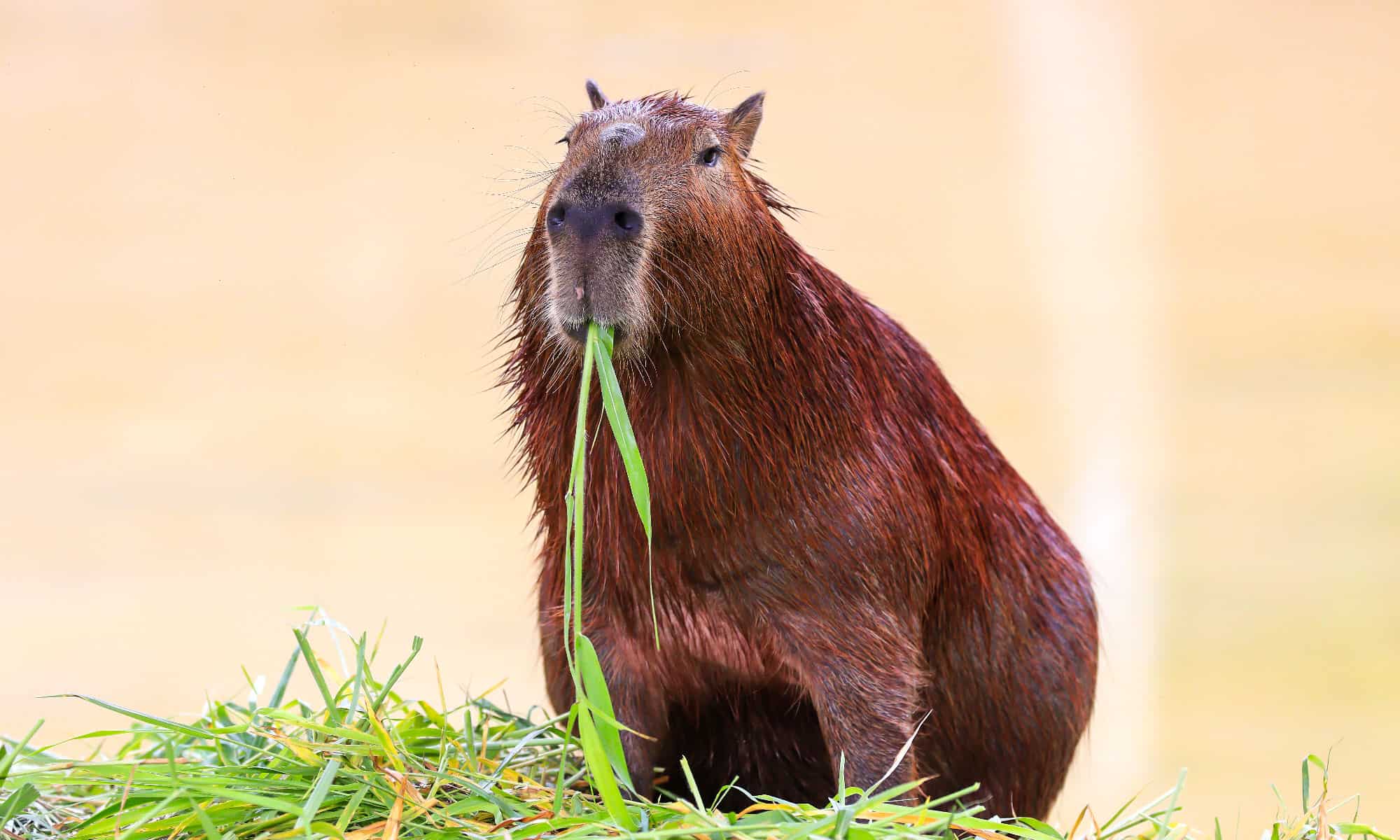
The capybara is the world’s largest rodent. Native to South America, it can weigh up to 66 kg (145 lbs) and grow over 1 meter (3.3 ft) long. Capybaras live in groups, love water, and have webbed feet. Their friendly faces and relaxed behavior make them internet favorites. But what animals actually look like a capybara?
Animals That Look Like A Capybara
Let’s explore the animals that share the capybara’s round body, short legs, and gentle eyes. Some are close cousins, others just have a similar build or lifestyle.
1. Guinea Pig
Guinea pigs, or cavies, are the capybara’s small relatives. They have round bodies, short legs, and the same kind expression. A guinea pig usually weighs 1–1.5 kg (2.2–3.3 lbs), so it’s much smaller. But their faces and fur patterns often remind people of capybaras.
2. Nutria (coypu)
The nutria is a large, semi-aquatic rodent native to South America. It weighs up to 9 kg (20 lbs) and has a chunky body and webbed feet. Nutrias have orange teeth, which is a unique feature. Many people mistake nutria for young capybaras, especially when seen near water.
3. Patagonian Mara
The Patagonian mara is a strange rodent found in Argentina. It looks like a cross between a rabbit and a capybara. It has long legs for running, but the face and ears are surprisingly similar to a capybara’s. Maras can reach 11 kg (24 lbs).
4. Beaver
Beavers are famous for building dams. They have a large, round body, short legs, and flat tails. While their tails are different, their face and size can remind people of capybaras. Beavers can weigh 16–32 kg (35–70 lbs).
5. Agouti
The agouti is a small rodent that lives in Central and South America. It weighs up to 4 kg (9 lbs) and has a similar shape and fur to a capybara, just in a smaller package. Agoutis are often seen foraging in forests.
6. Rock Cavy
The rock cavy is a rodent from Brazil. It looks like a small capybara with short, stocky legs and a rounded body. Adult rock cavies weigh about 1 kg (2.2 lbs).
7. Muskrat
Muskrats live in North America and spend a lot of time in water, like capybaras. They have a similar face and body, but are much smaller (about 1. 5 kg/3 lbs). Their long, thin tail is one big difference.
8. Paca
The paca is another rodent from South America. Pacas have spotted fur, a stocky body, and a face that reminds people of capybaras. Adults can weigh 7–12 kg (15–26 lbs).
9. Groundhog
Groundhogs, or woodchucks, live in North America. They have a chunky body, short legs, and a round face, all of which look a bit like a capybara. They usually weigh 3–6 kg (7–13 lbs).
10. Degu
A degu is a small rodent from Chile. It looks like a mini capybara, with a round body and friendly face. Degus usually weigh less than 0.3 kg (0.7 lbs).
Credit: www.reddit.com
Side-by-side Comparison
It’s useful to compare these animals’ main features. Here’s a quick view:
| Animal | Average Weight | Habitat | Key Feature |
|---|---|---|---|
| Capybara | 40–66 kg | South America, wetlands | Largest rodent, loves water |
| Nutria | 5–9 kg | South America, rivers | Orange teeth, webbed feet |
| Patagonian Mara | 8–11 kg | Argentina, grasslands | Long legs, rabbit-like |
| Guinea Pig | 1–1.5 kg | South America, domestic | Popular pet, small size |
Why Do These Animals Look Similar?
Rodents often share a chunky body and short legs. These features help them move through thick grass and escape predators. Living near water is another common trait. The need to swim and hide shapes their bodies in similar ways. This is called convergent evolution—when different animals develop similar features because they live in similar environments.
Not all capybara lookalikes are closely related. Some, like beavers, are distant cousins. Others, like maras, are from the same rodent family.
Credit: a-z-animals.com
Capybara Relatives And Mimics
If you look at the rodent family tree, you’ll see that capybaras, guinea pigs, maras, and rock cavies are all caviomorph rodents. This means they share an ancestor from South America. Nutrias and agoutis are also part of this group, which explains their similar features.
Beavers and muskrats, while similar in appearance, belong to a different branch. Their capybara-like look is just a result of similar lifestyles, not close relation.
Unique Features Of The Capybara
Even with so many lookalikes, capybaras are special. Here’s what sets them apart:
- Size: No other rodent comes close in size.
- Social groups: Capybaras live in large herds.
- Behavior: They are gentle, calm, and rarely aggressive.
- Semi-aquatic: Capybaras spend hours in water, using their webbed feet to swim.
Many zoos keep capybaras because of their peaceful nature. People are often surprised by how relaxed and friendly they are, even among different species.
Fun Facts About Capybara Lookalikes
- Nutrias were introduced to the US and Europe and are now considered invasive in some areas.
- Patagonian maras can run as fast as 45 km/h (28 mph).
- Pacas use their spotted fur to hide from predators in dappled forest light.
- Agoutis are important for spreading seeds in the rainforest.
These facts show that while many animals look like capybaras, each has its own role in nature.
Quick Reference Table: Capybara Vs. Lookalikes
To make the differences clearer, here’s a simple side-by-side table:
| Animal | Tail | Webbed Feet | Social? |
|---|---|---|---|
| Capybara | Small, stubby | Yes | Yes |
| Beaver | Wide, flat | Partially | Family groups |
| Guinea Pig | No visible tail | No | Yes |
| Nutria | Long, thin | Yes | Yes |

Credit: nhpbs.org
Non-obvious Insights For Beginners
- Not all rodents swim: Only capybaras, nutrias, and beavers are truly at home in water. Others, like guinea pigs and maras, avoid it.
- Size matters: Capybaras are often mistaken for other animals simply due to their large size. Most “lookalike” rodents are much smaller, so size is a good way to tell them apart.
If you want to see how these animals live in the wild, documentaries and official wildlife pages can help. For more detailed information, visit the Wikipedia page on Capybaras.
Frequently Asked Questions
What Animals Are Most Closely Related To Capybaras?
Capybaras are most closely related to guinea pigs, rock cavies, and Patagonian maras. They are all part of the caviomorph rodent family.
Is A Nutria The Same As A Capybara?
No, nutrias and capybaras are different species. Both are large, semi-aquatic rodents, but nutria are smaller and have orange teeth.
Can Capybaras Live With Other Animals?
Yes, capybaras are known for their gentle nature. In zoos, they often share spaces with birds, turtles, and even monkeys.
How Can I Tell A Capybara From A Beaver?
Capybaras have short, stubby tails and webbed feet. Beavers have wide, flat tails and build dams. Their faces are similar, but the tail is the best clue.
Are Capybaras Dangerous?
No, capybaras are not dangerous to humans. They are calm and shy. However, like any wild animal, they should be respected and not disturbed.
Capybaras have many lookalikes, but once you know what to watch for, it’s easy to spot their unique features. Each animal has its own charm and role in the animal kingdom.


