

Capybaras are known as the world’s largest rodents, but what truly fascinates many people is the variety of animals that live peacefully with them. If you have ever seen a photo of a capybara surrounded by other species, you might wonder why so many animals choose to stay close to these gentle giants. This article explores the unique animal friendships found in the capybara’s world, both in the wild and in captivity, revealing why capybaras are often called nature’s best roommates.
Where Capybaras Live
Capybaras come from South America, especially in countries like Brazil, Venezuela, and Argentina. They love wetlands, riverbanks, and flooded grasslands. In these places, many animal species gather because water and food are easy to find. Capybaras are social and live in groups, so they attract other animals looking for safety or resources.
Wild Animals That Live With Capybaras
Several animals share the capybara’s habitat. Some do it for protection, while others find food or clean themselves with the help of capybaras.
1. Birds
Many birds like to sit on the backs of capybaras. Some common ones include:
- Cattle Egrets: These white birds eat ticks and insects off the capybara’s fur, helping both animals.
- Blackbirds and Caracaras: They watch for danger and sometimes join in cleaning.
- Southern Lapwings: These birds often nest near capybaras, using the group as extra eyes for predators.
2. Turtles
You might see turtles sunbathing on capybaras’ backs. Capybaras do not mind, and the turtles get a safe place to rest. This strange friendship often happens near lakes and rivers.
3. Fish
When capybaras swim, small fish follow them. These fish eat dead skin and tiny bugs from the capybara’s body. It’s a kind of cleaning service for the rodent.
4. Small Mammals
Agoutis and armadillos sometimes share the same grasslands. They do not form close bonds, but they benefit from the capybaras’ watchful eyes. When capybaras alert the group to danger, these mammals also escape.
5. Caimans
It might sound odd, but caimans (relatives of alligators) sometimes rest near capybaras. They do not always hunt them, especially if there is plenty of food. The two species often ignore each other in peaceful times.
6. Frogs And Amphibians
Frogs and small amphibians also like the wet places where capybaras live. They benefit from the muddy water and tall grass that capybaras help create.
7. Capybaras And Other Capybaras
Capybaras live in large groups—sometimes 10 to 20 or more. They watch out for each other, share food, and even care for each other’s young. This strong social bond is rare among wild rodents.
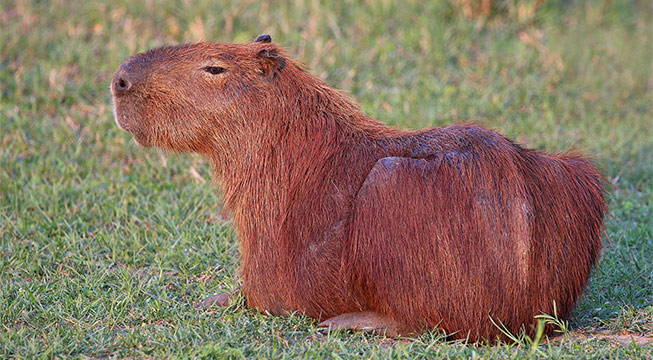
Credit: blog.pachamama.org
Animals That Live With Capybaras In Zoos And Farms
Capybaras are popular in zoos because they get along with many animals. Zookeepers often put them in mixed-species exhibits.
1. Ducks And Geese
These birds enjoy the water just like capybaras. They swim together and often share the same pond.
2. Rabbits
Some zoos keep rabbits with capybaras. Both are gentle, like to graze, and rarely fight.
3. Goats
Goats and capybaras sometimes live together on farms. They both eat grass and are calm around each other.
4. Wallabies
In some animal parks, wallabies (small kangaroo relatives) share space with capybaras. They do not compete for food, so they get along well.
5. Guinea Pigs
Capybaras are close relatives of guinea pigs. In captivity, they sometimes live together, showing similar behaviors.
Why So Many Animals Live With Capybaras
There are several reasons why capybaras attract so many animal friends:
- Gentle nature: Capybaras rarely bite or chase other animals.
- Safety in numbers: Many animals use the capybara group as an early warning system for predators.
- Food and water: Capybara habitats are rich in resources, so animals gather there.
- Mutual benefits: Birds and fish clean the capybara, and in return, get food.
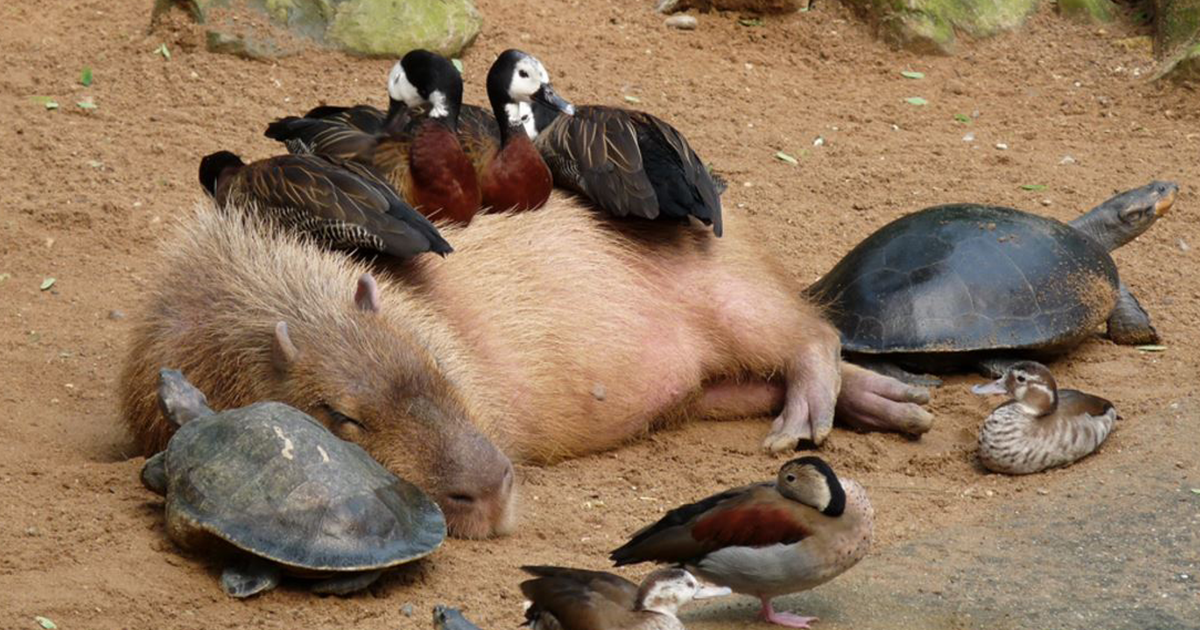
Credit: www.boredpanda.com
Not Always Peaceful: Dangers And Limits
While capybaras get along with many animals, some species are dangerous. Jaguars, anacondas, and large birds of prey hunt capybaras. In these cases, the relationship is more predator and prey than friendship.
Young capybaras are especially at risk. Their mothers and the group help protect them, but sometimes, predators succeed. This is the main reason capybaras stay in groups—they are safer together.
Surprising Insights About Capybara Companions
Many people believe capybaras are friendly to all animals, but that’s not always true. They can be territorial with strange capybaras or stressed if overcrowded. Also, in captivity, not every animal is a good roommate. For example, some birds may pick at the capybara’s skin too much, causing stress or injury.
Another fact is that capybaras sometimes act as “babysitters” for younger animals, even from different species. This behavior is rare in rodents but common in capybara groups.

Credit: www.reddit.com
Animal Interactions: Quick Comparison
Here’s a look at how capybaras interact with common animal companions:
| Animal | Type of Interaction | Benefit to Capybara | Benefit to Companion |
|---|---|---|---|
| Cattle Egret | Cleaning/Social | Fewer parasites | Easy food (insects) |
| Turtle | Resting/Social | No effect | Safe resting spot |
| Fish | Cleaning | Healthier skin | Food (dead skin) |
| Rabbit | Social | Company | Company |
Capybara Group Sizes Compared To Other Social Animals
Capybaras are not alone in living in groups. How do their group sizes compare to other social species?
| Animal | Average Group Size | Why Group Together? |
|---|---|---|
| Capybara | 10–20 | Protection, social bonds |
| Meerkat | 15–40 | Predator alert, foraging |
| Guinea Pig | 5–10 | Safety, warmth |
What Scientists Say
Researchers believe capybaras help create a safe environment for other animals. Their calm attitude and ability to live in groups reduce stress for everyone nearby. This is why many zoos use capybaras in mixed exhibits—to teach about peaceful animal co-existence.
A 2020 study found that capybaras have fewer parasites when living with certain bird species. This is a great example of how animal friendships can help both sides. For more scientific details, you can visit the Wikipedia page on capybaras.
Frequently Asked Questions
Why Do So Many Animals Live With Capybaras?
Capybaras are gentle, social, and live in rich habitats. Many animals join them for food, water, safety, and sometimes for cleaning partnerships.
Are There Any Animals That Do Not Get Along With Capybaras?
Yes. Predators like jaguars, anacondas, and large eagles are dangerous to capybaras. Also, some aggressive animals may stress them in captivity.
Do Capybaras Help Other Animals?
Often, yes. Birds and fish benefit from food found on the capybara’s body, and some mammals use the group for safety from predators.
Can You Keep Capybaras With Other Pets At Home?
It depends. Capybaras do best with other gentle, social animals like rabbits or guinea pigs. Dogs or cats may not be safe companions.
How Do Capybaras Communicate With Their Animal Friends?
Capybaras use sounds, body language, and sometimes scent. With other species, they mostly use calm behavior to show they are not a threat.
Capybaras are unique animals that show how different species can live together in harmony. By understanding their relationships with other animals, we learn more about the value of peace and cooperation in nature.


