

Capybaras are the world’s largest rodents, famous for their gentle nature and social behavior. They live near rivers, lakes, and wetlands across South America. While they may seem relaxed, these creatures face constant danger from predators in their natural environment.
Understanding the threats capybaras face gives insight into their survival strategies and the balance of life in the wild.
Main Predators Of Capybaras
Capybaras have many natural enemies. Their large size does not always keep them safe. Here are the main predators that hunt capybaras in the wild:
Jaguars
Jaguars are top predators in South America. These big cats are strong swimmers and often patrol rivers where capybaras live. Jaguars can weigh up to 120 kg (265 lbs) and have powerful jaws that can crush skulls. Capybaras are a regular part of their diet, especially in areas with dense forests and water sources.
Caimans
Caimans are relatives of alligators and crocodiles. The Yacare caiman and the black caiman are the most common capybara hunters. Caimans wait quietly in the water, ambushing capybaras when they come to drink or swim. Young capybaras are especially at risk because they are smaller and slower.
Anacondas
The green anaconda is the heaviest snake in the world. These snakes live in swamps and slow-moving rivers. Anacondas attack by wrapping around their prey and suffocating them. Capybaras are a preferred meal, especially for larger snakes. Anacondas often target lone or young capybaras.
Ocelots
Ocelots are medium-sized wild cats. They are smaller than jaguars but are agile hunters. Ocelots usually prey on juvenile capybaras or those separated from the group. They are mostly nocturnal, so attacks often happen at night.
Eagles And Large Birds
Some large birds, such as the harpy eagle and the crested eagle, can attack capybara pups. These birds have strong talons and are skilled at catching small mammals. While they cannot carry off an adult capybara, pups are vulnerable.
Humans
Humans are also predators. In some regions, people hunt capybaras for their meat and hide. Capybara meat is considered a delicacy in parts of Venezuela and Brazil. Habitat loss due to farming and urban expansion also increases their risk.
How Capybaras Defend Themselves
Despite many threats, capybaras have developed smart ways to survive.
- Group living: Capybaras live in groups of 10–20, sometimes up to 100 during the dry season. This makes it harder for predators to catch one.
- Swimming skills: They are excellent swimmers and can stay underwater for up to five minutes. This helps them escape attacks.
- Vigilance: There is always a lookout in the group. If a capybara senses danger, it alerts others with a bark or whistle.
- Night activity: In areas with high predation, capybaras become more active at dusk and night to avoid predators.
Predator Impact By Region
The main predators of capybaras vary across South America. The type of predator depends on local habitats and the presence of water.
| Region | Main Predators |
|---|---|
| Amazon Basin | Jaguars, Anacondas, Caimans |
| Pantanal Wetlands | Jaguars, Caimans, Ocelots |
| Venezuelan Llanos | Caimans, Humans, Anacondas |
| Atlantic Forest | Ocelots, Large Birds, Humans |
Capybara Population And Predator Pressure
Predators help keep capybara numbers balanced. In the wild, capybara populations are healthy in most areas, but local declines can happen if predator numbers rise or humans overhunt.
| Predator | Estimated Capybara Loss (%) | Notes |
|---|---|---|
| Jaguars | 10-15% | Main threat to adults |
| Caimans | 15-20% | Mostly young and weak individuals |
| Anacondas | 5-10% | Seasonal impact |
| Humans | Varies by region | Up to 30% in hunted areas |
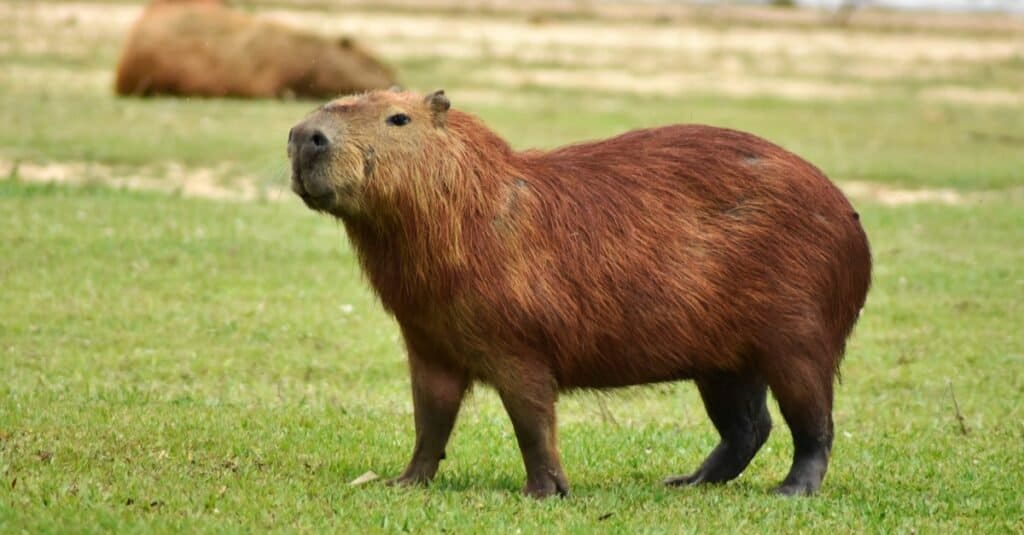
Credit: a-z-animals.com
Uncommon And Overlooked Threats
Most people know about big cats and caimans, but some threats are less obvious.
- Feral dogs: In areas near towns, packs of wild dogs can attack capybaras, especially the young.
- Disease spread by predators: When predators bite but do not kill, capybaras can get infected wounds that may lead to death.
- Competition with other herbivores: When food is scarce, some predators also eat plants, reducing food for capybaras.
These threats show how survival is not only about escaping big hunters but also managing daily risks.
Capybaras And The Food Chain
Capybaras are an important part of their ecosystem. They are both prey and grazers. By feeding on grasses and aquatic plants, they shape the landscape. Their role as prey helps support top predators.
| Role | Examples |
|---|---|
| Prey | Jaguars, Caimans, Anacondas |
| Grazers | Short grass, aquatic plants |
| Keystone Species | Support predators, affect plant growth |
If predator numbers drop, capybaras can overgraze and damage wetlands. If capybaras disappear, predators may turn to livestock or other species, causing new problems.
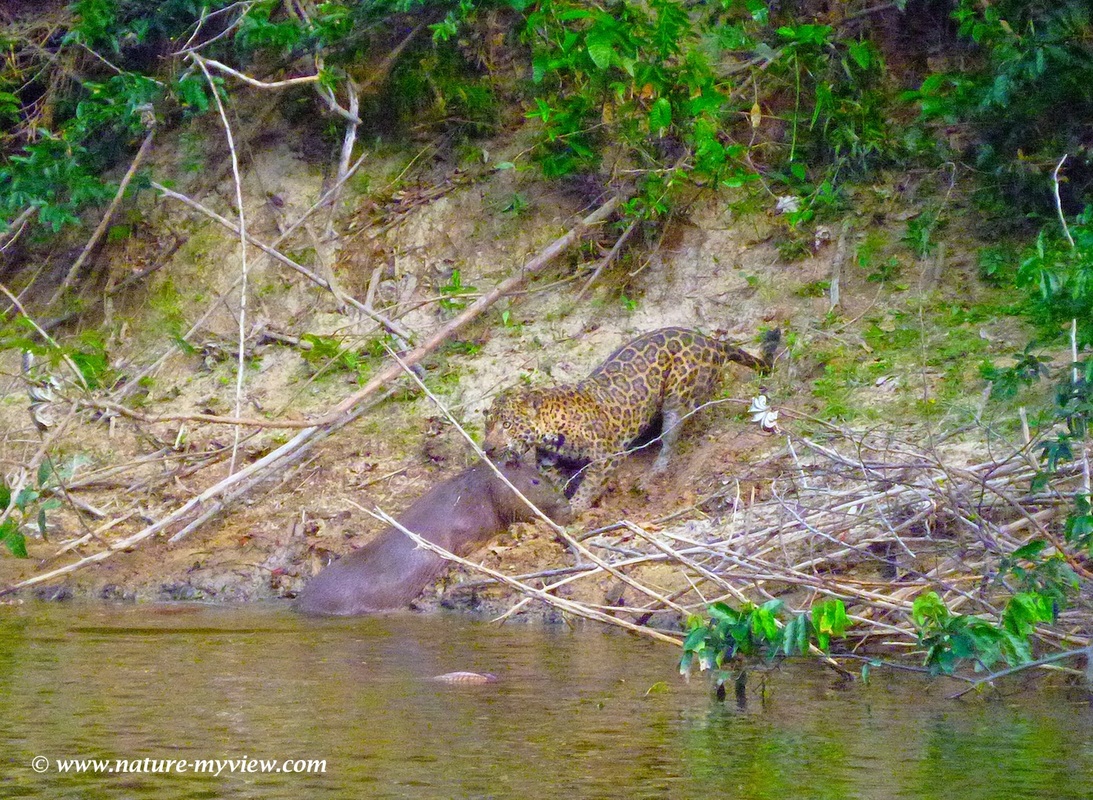
Credit: www.nature-myview.com
Human Influence On Capybara Predation
Humans change the balance between capybaras and their predators. Hunting, habitat destruction, and pollution all affect their survival. In some areas, conservation programs protect both capybaras and their predators. Responsible tourism and wetland protection help keep the natural balance.
For more about capybara conservation, visit the Wikipedia Capybara page.
Frequently Asked Questions
What Is The Biggest Threat To Capybaras?
The jaguar is the biggest natural threat, especially to adult capybaras. In areas with heavy hunting, humans can be the main danger.
Do Capybaras Have Any Defenses Against Predators?
Yes, group living, excellent swimming, and strong alert calls help them avoid being caught.
Are Baby Capybaras More At Risk?
Baby capybaras are much more vulnerable. Eagles, ocelots, caimans, and even large snakes target them.
Where Do Most Capybara Attacks By Predators Happen?
Most attacks happen near water—rivers, lakes, and swamps—where predators like jaguars, caimans, and anacondas are common.
Can Capybaras Live Safely In Captivity?
In zoos and farms, capybaras are safe from wild predators. Their main risks are disease and poor care, not hunting.
Capybaras are survivors, but their lives are shaped by the predators around them. Knowing about these threats helps us appreciate the daily struggle for survival in the wild. Understanding predator-prey relationships is also key to protecting both capybaras and the rich ecosystems they belong to.
Credit: www.rainforest-alliance.org


