

Have you ever wondered what capybaras eat to stay so healthy and happy? If you’re curious about these gentle giants and want to know exactly what makes up their diet, you’re in the right place.
Understanding their eating habits can help you appreciate these amazing creatures even more. By the end of this article, you’ll discover the secrets behind a capybara’s favorite foods and why their diet is so important for their survival. Keep reading, and you might just find yourself amazed by what these fascinating animals enjoy every day!
Capybara Diet Basics
Capybaras are herbivores that eat mostly plants. Their diet is simple but needs to be balanced. Eating the right foods keeps them healthy and active.
They eat a variety of plants found in their natural habitats. Their diet changes slightly with the seasons and availability of food.
Natural Food Sources
Capybaras eat grasses, aquatic plants, and fruits. They prefer fresh, green grasses that grow near water. Water plants like water hyacinth are common favorites.
They also eat tree bark and reeds. These provide extra fiber and nutrients. Fruits like melons and apples are treats when available.
Daily Food Intake
Capybaras eat a lot each day. Adults can eat up to 8 pounds of food daily. They spend many hours grazing to meet their needs.
Water is vital and must be nearby. They drink a lot to stay hydrated. Their diet supports strong teeth and a healthy gut.
Plant-based Preferences
Capybaras have a strong preference for plant-based foods. Their diet mostly includes various plants found near water bodies. They need high-fiber plants to keep their digestion healthy. These animals spend much time grazing on soft, green vegetation. Their teeth grow continuously, so chewing fibrous plants helps keep them worn down.
Grasses And Aquatic Plants
Grasses form the main part of a capybara’s diet. They eat many types of grass found in their habitat. Aquatic plants also play a key role in their meals. These plants grow in or near water and provide moisture. Examples include water hyacinth and water lettuce. These plants offer both nutrients and hydration. Capybaras often feed on plants at the water’s edge.
Fruits And Vegetables
Capybaras enjoy some fruits and vegetables too. They eat ripe fruits like melons, berries, and apples. These provide energy and vitamins. Vegetables such as carrots and pumpkins are also favored. Fruits and vegetables make their diet more balanced. They get natural sugars and essential nutrients from them. These foods complement their main plant diet well.
Feeding Behavior
Capybaras have unique habits when eating. Their feeding behavior helps them survive in the wild. These animals spend a lot of time eating plants. They eat slowly and carefully. This method helps them get the most nutrients from their food.
Understanding how capybaras eat shows how they live and grow. Their behavior is different from many other animals. They use special ways to get enough nutrition from tough plants.
Grazing Patterns
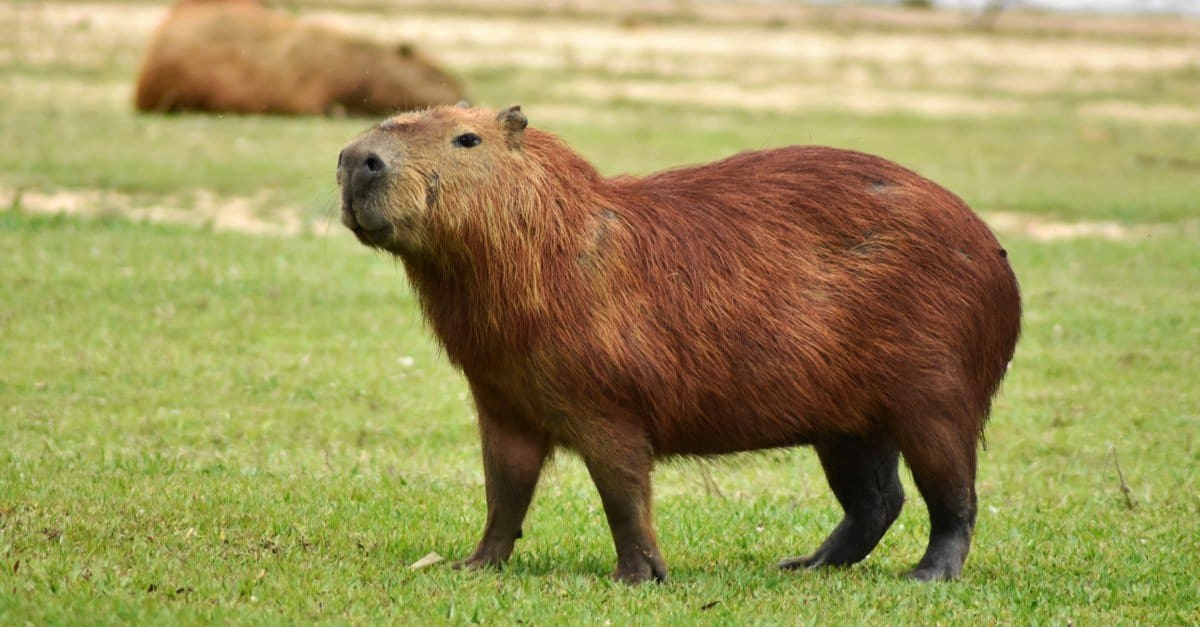
Capybaras are mainly grazers. They eat grasses and aquatic plants. They move slowly while feeding. This allows them to pick fresh and soft plants. Capybaras eat mostly in the early morning and late afternoon. They avoid hot midday hours to stay cool. Grazing helps them get steady energy throughout the day.
Coprophagy And Nutrient Absorption
Capybaras practice coprophagy, which means eating their own droppings. This may sound strange, but it is important. Their first digestion does not absorb all nutrients. Eating droppings allows a second digestion. This helps absorb vitamins and minerals better. Coprophagy improves their health and growth. Many animals with similar diets use this method.
Diet In The Wild Vs. Captivity
Capybaras eat very differently in the wild than in captivity. Their natural diet depends on fresh plants found near water. Captive capybaras need a balanced diet to stay healthy. Understanding these differences helps caretakers provide proper food.
Wild Diet Composition
In the wild, capybaras eat mostly grasses. They prefer fresh, tender grass near rivers and lakes. They also eat aquatic plants and bark from trees. Fruits and vegetables are a small part of their diet. Wild capybaras chew their food slowly to digest it well. Their diet is high in fiber and low in sugar.
Feeding Pets Or Zoo Capybaras
Captive capybaras need food similar to their wild diet. Fresh grass or hay is important every day. Leafy greens like lettuce and kale are good additions. Small amounts of fruits like apples can be treats. Avoid sugary and processed foods to keep them healthy. Clean water must always be available for drinking.
Nutritional Needs
Capybaras need a special diet to stay healthy. Their nutritional needs focus on fiber and water. These help their digestion and overall well-being. Understanding these needs is important for anyone caring for capybaras.
Fiber Requirements
Fiber is essential for capybaras. It helps their stomachs work well. Capybaras eat mostly grasses and plants full of fiber. This keeps their digestive system moving smoothly. Without enough fiber, they can get sick. Good fiber sources include hay and fresh grass. This also helps their teeth stay healthy by wearing them down naturally.
Hydration And Water Intake
Capybaras need plenty of water every day. They live near water in the wild and often swim. Water helps them stay cool and healthy. Drinking enough water aids digestion and body functions. Always provide clean, fresh water for capybaras. They can drink a lot, so water should be easy to reach. This keeps them active and happy.

Credit: palotoaamazontravel.com
Foods To Avoid
Capybaras have a sensitive digestive system. Certain foods can harm their health or even be deadly. Knowing what to avoid is key to keeping them safe and healthy. This section highlights the main foods capybaras should never eat.
Toxic Plants
Many plants are poisonous to capybaras. These include azaleas, rhododendrons, and oleander. Even small amounts can cause vomiting, diarrhea, or worse. Avoid letting capybaras graze where these plants grow. Some weeds like nightshade and foxglove are also dangerous. Always check your garden for toxic plants before introducing capybaras.
Harmful Human Foods
Human snacks and processed foods are bad for capybaras. Chocolate, candy, and chips can upset their stomachs. Foods high in salt or sugar can cause dehydration and illness. Avoid giving bread or dairy products too. These are hard for capybaras to digest. Stick to fresh vegetables and grasses for their meals instead.
Supplementing Their Diet
Capybaras mainly eat grass and plants. They get most nutrients from their natural diet. Still, some extra foods help keep them healthy. Supplementing their diet supports growth and strong immune systems. It also fills in any missing vitamins and minerals. Careful choices ensure capybaras stay happy and energetic.
Vitamin And Mineral Supplements
Capybaras may need vitamins and minerals beyond their regular food. These supplements help with bone strength and overall health. Common supplements include calcium and vitamin D. These prevent problems like weak bones or poor growth. Always choose supplements made for herbivores. Avoid giving human vitamins, as they can harm capybaras.
Safe Treats And Snacks
Safe treats add variety and fun to a capybara’s diet. Fresh fruits like apples and watermelon work well. Vegetables such as carrots and sweet potatoes are good too. Give treats in small amounts to avoid upset stomachs. Never offer junk food or anything processed. Healthy treats support their natural diet and keep them active.
Credit: a-z-animals.com

Credit: www.wildlifenomads.com
How Capybara World Can Help You with What are Capybaras Diet
Exploring Capybara Diets Through Hands-On Learning
Understanding what capybaras eat opens up some great opportunities to learn about their feeding behavior and nutritional needs in a practical way. For example, observing how capybaras select certain plants over others can teach you a lot about their plant-based preferences and the importance of variety in their diet. Whether you’re caring for a capybara in captivity or simply curious about their wild feeding habits, comparing their diet in the wild versus captivity offers real-world insights into how environment shapes their nutrition.
- Try identifying different grasses and aquatic plants that capybaras favor, which helps reinforce their natural diet basics.
- Learn to spot foods to avoid by researching common toxic plants in your region—this is key for anyone interested in proper capybara care.
- Explore ways to supplement their diet with safe, nutrient-rich options to better understand their dietary balance.
At Capybara World, we’re always happy to share knowledge and point you toward vetted resources—feel free to reach out at hello@capybara-world.com if you want to dig deeper into capybara nutrition or care tips. After all, learning through observation and experimentation is a chill way to connect with these fascinating creatures while respecting their unique dietary needs.
Frequently Asked Questions
What Do Capybaras Eat In The Wild?
Capybaras mainly eat grasses, aquatic plants, and fruits in the wild. They also consume tree bark and sometimes small plants. Their diet is high in fiber, aiding digestion and dental health. They feed mostly during the morning and late afternoon.
Can Capybaras Eat Fruits And Vegetables?
Yes, capybaras enjoy various fruits and vegetables like melons, carrots, and apples. These provide essential vitamins and minerals. However, fruits should be given in moderation due to sugar content. Vegetables like lettuce and cucumbers are healthy daily snacks.
How Often Do Capybaras Need To Eat?
Capybaras eat frequently throughout the day, grazing for up to eight hours. Their digestive system requires constant fiber intake to function well. Providing multiple small meals mimics their natural feeding habits and supports their health.
Are Capybaras Herbivores Or Omnivores?
Capybaras are herbivores, meaning they eat only plant-based foods. Their diet consists of grasses, aquatic plants, and occasionally fruits and vegetables. They do not eat meat or insects, relying solely on vegetation for nutrition.
Conclusion
Capybaras eat mostly grass and plants every day. They enjoy fresh vegetables and fruits too. Water is important for their health and digestion. Their diet keeps them strong and active in nature. Feeding capybaras the right food helps them live longer.
Understanding their diet helps protect these gentle animals. Remember, natural foods suit capybaras best. Their simple diet shows how nature supports life. Caring for capybaras means giving them what they need. That’s the key to happy, healthy capybaras.


