

Capybaras are gentle giants of the rodent world, often seen lounging near rivers or swimming in South America’s wetlands. Their calm nature and unique appearance have made them popular on social media and in zoos. But many people still wonder: what color are capybaras? If you’ve only seen photos, you might think their color is simple. In reality, the answer is a bit more interesting. Understanding their color helps you recognize them in the wild, care for them properly, or simply appreciate their natural beauty.
The Typical Color Of Capybaras
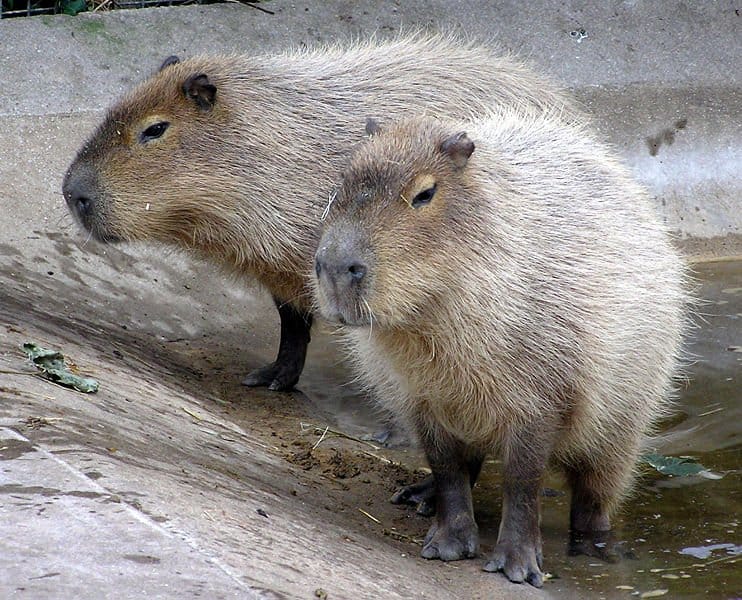
Most capybaras have a coarse, thick coat that is best described as brownish or reddish-brown. This color is not bright but more muted, blending well with the muddy riverbanks and grassy marshes where they live. Their fur helps them stay hidden from predators like jaguars and caimans.
If you look closely, you’ll see different shades across their body. The back and sides are usually darker brown, while the belly and inside of the legs are lighter, sometimes yellowish or cream-colored. This pattern is called countershading, which helps break up their outline in the wild.
Color Variations In Capybaras
Not all capybaras look exactly the same. There are small differences in color due to genetics, age, and environment. Let’s look at some of the variations you might notice:
- Young capybaras: Babies, called pups, are usually a bit lighter than adults. Their fur can look almost sandy or tan at birth, but darkens as they grow.
- Old capybaras: Elderly individuals may develop grayish fur, especially around the face and muzzle.
- Geographic differences: Capybaras from wetter areas might have darker, richer fur compared to those from drier regions, where the sun can bleach the coat.
- Rare color mutations: Very rarely, capybaras can have partial albinism (pale patches) or even be completely albino, but this is extremely uncommon.
Here’s a simple comparison of capybara color at different life stages:
| Life Stage | Fur Color | Notes |
|---|---|---|
| Pup (0-3 months) | Light brown/tan | Soft, thinner fur |
| Juvenile (3-12 months) | Medium brown | Starts to thicken |
| Adult (1-6 years) | Reddish-brown to dark brown | Coarse, water-resistant |
| Senior (6+ years) | Grayish brown | Possible graying muzzle |

Credit: www.reddit.com
How Capybara Color Helps Them Survive
A capybara’s color is not just for looks. Their earthy tones play a big role in survival. In the wild, blending in with mud and grass is key to avoiding predators. When capybaras rest in shallow water, their brown fur makes them look like a floating log or a muddy rock. This camouflage works best at dawn and dusk, when many predators hunt.
The lighter belly helps them stay cool in the sun. When they lie in the shade, the lighter fur reflects sunlight, keeping their body temperature balanced. This is a practical example of how animal color can be a tool for survival.
Comparing Capybara Color To Other Rodents
Capybaras are the world’s largest rodents, but how does their color compare to other rodents? Here’s a quick comparison:
| Rodent | Typical Color | Main Habitat |
|---|---|---|
| Capybara | Reddish-brown to dark brown | Wetlands, rivers |
| Guinea Pig | Varies (brown, white, black) | Grasslands |
| Beaver | Dark brown | Freshwater rivers |
| Nutria | Brownish-orange | Marshes |
As you can see, capybaras share their earthy tones with other large rodents, but guinea pigs, for example, can come in many more colors due to selective breeding.
Credit: a-z-animals.com
Factors That Affect Capybara Color
Several things can change a capybara’s coat color over time. Here are the main factors:
- Sun exposure: Sunlight can bleach fur, making it appear lighter, especially in dry seasons.
- Diet: A poor diet can lead to dull fur, while a rich, green diet keeps the coat shiny.
- Health: Parasites or skin conditions may cause patches of missing or discolored fur.
- Water quality: Capybaras spend much time in water. Dirty or mineral-rich water may stain their fur.
It’s important for people who keep capybaras in zoos or as pets to pay attention to these factors. A healthy capybara should have a shiny, even-colored coat.
Are Capybaras Ever Kept As Pets?
Capybaras are sometimes kept as exotic pets, especially in the United States and Japan. When living as pets, their fur color can look a bit different compared to wild ones. Pet capybaras may appear cleaner or have slightly lighter fur because they spend less time in muddy rivers.
However, it’s important to remember that capybaras need lots of space, water to swim in, and proper social groups. Their natural color is part of what helps them live a happy, healthy life. If you see a capybara with patchy or very pale fur, it could be a sign of stress or poor health.
Fun Facts About Capybara Color
Here are some interesting points about capybara color that surprise many people:
- The nose and feet of capybaras are often darker than the rest of their body.
- Capybaras have almost no underfur, which means their coat dries quickly after swimming.
- Some groups of capybaras show slight color differences due to local climate and food types.
- There is no such thing as a “black” or “white” capybara in the wild, except for rare mutations.
- In some myths, capybaras are said to change color with the seasons, but this is not true.
Capybara Fur Vs. Other Animals
To give a clearer idea, here’s a side-by-side look at capybara fur and that of a common farm animal:
| Animal | Fur Type | Main Color |
|---|---|---|
| Capybara | Coarse, sparse, no underfur | Reddish to dark brown |
| Rabbit | Soft, dense, thick underfur | Gray, white, black, brown |
This shows why capybaras dry quickly after swimming, while a rabbit would stay wet much longer.

Credit: www.offcolorbrewing.com
Non-obvious Insights About Capybara Color
Many beginners think all capybaras look exactly the same, but small differences can tell you about their age, health, or even where they come from. For example, a capybara with very dark fur might live in a rainforest area, while a paler one could be from a savanna.
Also, the lack of soft underfur means capybaras are less likely to suffer from overheating but need water to avoid dry skin.
Another insight is that capybara fur, because it’s coarse, doesn’t hold dye well. This is why you won’t see “fancy” colored capybaras like you might see with guinea pigs or rabbits. Their fur’s main purpose is function, not style.
If you want more technical details about capybara biology and their fur, you can visit the Wikipedia capybara page.
Frequently Asked Questions
What Is The Most Common Color For A Capybara?
The most common capybara color is reddish-brown on the back and sides, with a lighter yellowish or cream color on the belly.
Do Capybaras Ever Have Black Or White Fur?
No, wild capybaras do not have black or white fur. Only very rare genetic mutations, like albinism, can cause white or pale patches.
Can A Capybara’s Fur Color Change With Age?
Yes, young capybaras are lighter, and older ones may turn a bit gray, especially around the face.
Does A Capybara’s Color Help It Survive?
Yes, their brown fur helps them blend into their environment, which protects them from predators.
Is There A Difference In Fur Color Between Male And Female Capybaras?
No, both male and female capybaras have similar fur colors. There are no strong color differences between the sexes.
Capybaras are fascinating animals with a simple but effective color that helps them thrive in the wild. Knowing what color to expect lets you spot them in nature, take better care of them, or just admire their unique place in the animal kingdom.


