

Capybaras are the world’s largest rodents, and their lives center around water and plants. If you visit the Amazon rainforest, you’ll often see capybaras swimming in rivers or grazing near the banks. But what exactly do these gentle giants eat in one of the planet’s most diverse ecosystems? Understanding their diet helps us see how they fit into the food web and why they thrive in such a rich, wild environment.
The Capybara’s Diet: An Overview
Capybaras are herbivores, meaning they only eat plants. In the Amazon, this diet is both varied and abundant, thanks to the lush vegetation. They graze mostly in the early morning and late afternoon, avoiding the hottest parts of the day. Their teeth are strong and keep growing, which is perfect for chewing tough plants.
Most of their food comes from grasses, but they also enjoy aquatic plants, fruits, and even tree bark when other foods are scarce. The Amazon offers them a buffet year-round, but their choices can change with the seasons and floods.
Main Foods Capybaras Eat In The Amazon Rainforest
Let’s look at the main types of food capybaras eat and why each is important for their health.
1. Grasses
Grasses are the staple food for capybaras. They make up about 70% of their diet in the wild. The Amazon’s riverbanks and open spaces provide a wide range of grass species, such as Paspalum and Panicum. Grasses are rich in fiber, which helps with digestion.
2. Aquatic Plants
Capybaras are strong swimmers, so it’s no surprise they eat many aquatic plants. Water lettuce, water hyacinth, and reeds are common foods. These plants are easy to find around the rivers and flooded forests. Aquatic plants are high in moisture, helping capybaras stay hydrated in the heat.
3. Fruits
During the fruiting season, capybaras will eat Amazonian fruits that fall to the ground or float in water. Examples include guava, mango, and wild figs. Fruits give them vitamins and sugars for quick energy, especially when grasses are less available.
4. Tree Bark And Young Shoots
When food is scarce or during the dry season, capybaras may chew on tree bark and young shoots. While not their first choice, these provide some nutrients and help keep their teeth from growing too long.
5. Leaves And Herbaceous Plants
Capybaras will often eat broad-leafed plants, small shrubs, and herbs. These are usually softer and easier to digest than tough grasses. Some common plants include legumes and clover-like species.
6. Roots And Tubers
Occasionally, capybaras dig up and eat roots or tubers. This is more common in the dry season when surface plants are limited. Roots provide important minerals and a different food texture.
7. Their Own Droppings (coprophagy)
A non-obvious but important part of their diet is coprophagy—eating their own droppings. This may sound strange, but it helps them digest plant fibers more completely and get extra vitamins produced by bacteria in their gut.
Seasonal Changes In Capybara Diet
The Amazon rainforest has two main seasons: wet and dry. Each season changes the landscape, which affects what food is available.
| Season | Main Foods Available | Diet Shift |
|---|---|---|
| Wet Season | Aquatic plants, fresh grasses, fruits | More variety, higher fruit intake |
| Dry Season | Older grasses, bark, roots, shoots | Less fruit, more tough plants |
During floods, capybaras have easy access to river plants and floating fruits. When the water recedes, they must search further for food and may rely more on woody plants or roots.
How Capybaras Choose Their Food
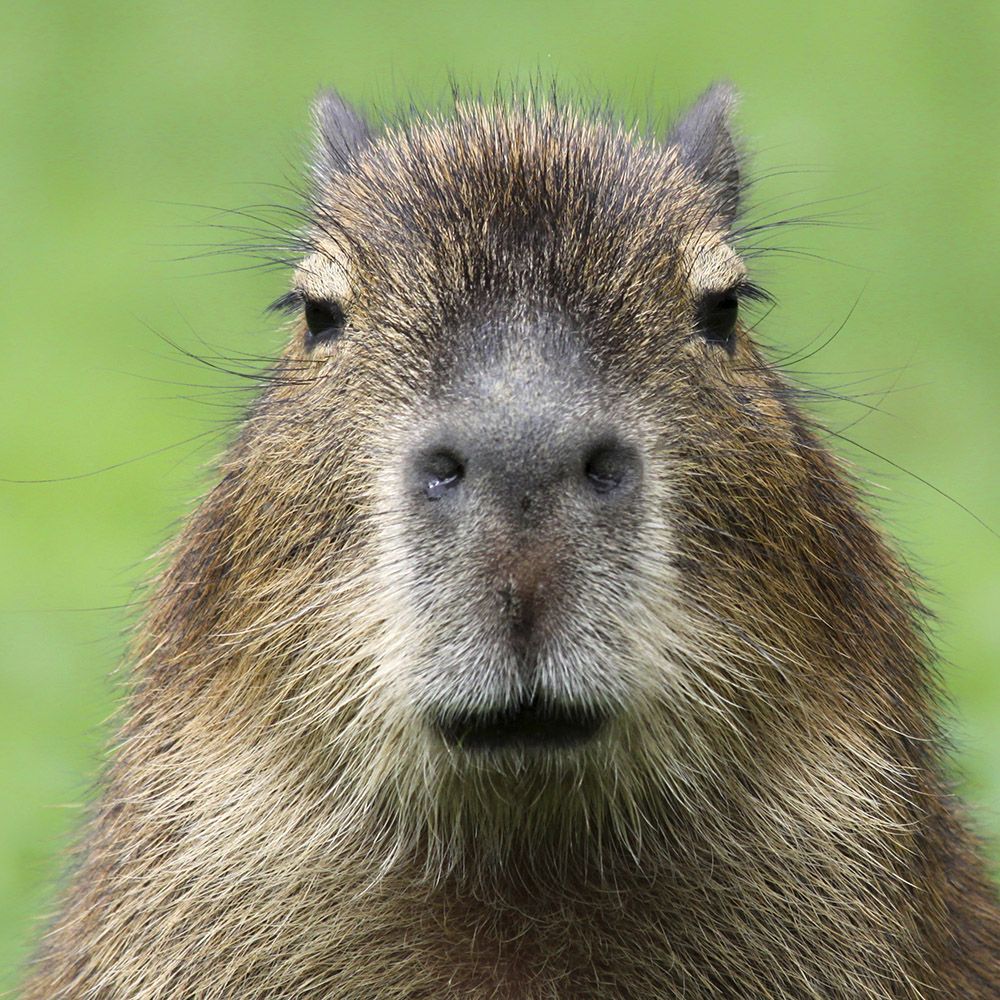
Capybaras are selective grazers. They prefer tender, young grass and plants because these are easier to chew and digest. They use their strong front teeth to cut plants and their sensitive lips to pick out the best parts. If they find a patch of new grass or a fallen fruit, they will eat it first before moving to tougher options.
Credit: www.rainforest-alliance.org
Nutritional Needs And Digestive System
The capybara’s digestive system is designed for a high-fiber diet. Their stomach and intestines are long and complex, allowing them to break down tough plant material. They rely on bacteria in their gut to help digest cellulose, the main part of plant cell walls.
One unique feature is their habit of eating soft droppings in the morning. This practice, called coprophagy, lets them absorb extra nutrients, especially vitamin B, which is produced by the bacteria in their intestines. This is a key reason why capybaras can live well on a diet that seems low in nutrients to other animals.
Capybara Diet Compared To Other Amazon Herbivores
How does the capybara’s diet compare to other large plant-eaters in the Amazon, like tapirs and deer?
| Animal | Main Foods | Special Diet Features |
|---|---|---|
| Capybara | Grasses, aquatic plants, fruits, bark | Coprophagy, strong teeth for grazing |
| Tapir | Leaves, fruit, twigs | Long nose for reaching high leaves |
| Deer (Amazon species) | Leaves, shoots, fruit | Selective browsing |
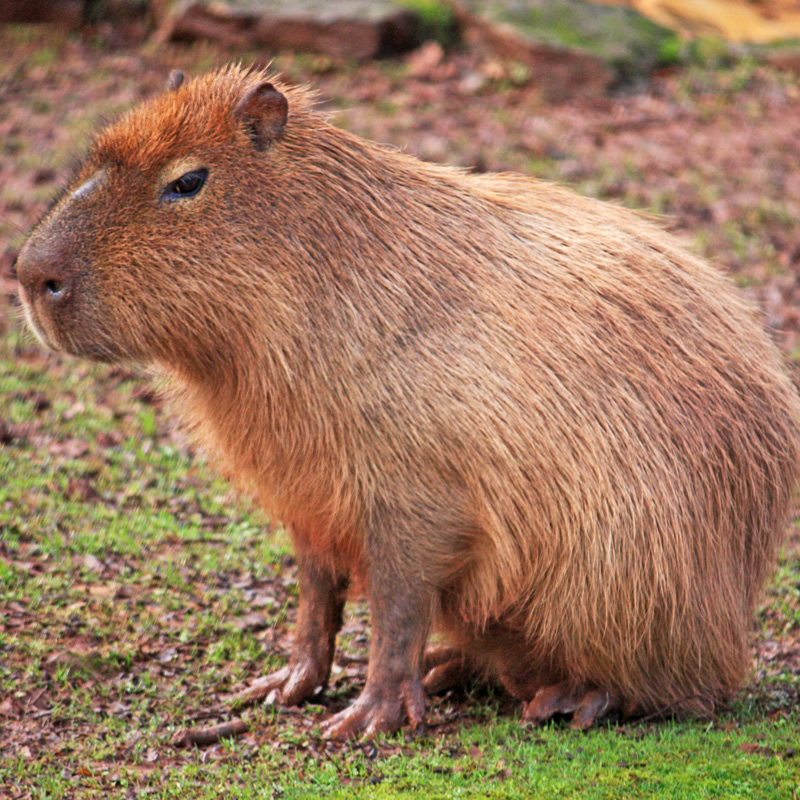
Capybaras are unique because of their close relationship with water and their heavy focus on grasses and aquatic plants, setting them apart from other herbivores.
Credit: www.rainforestanimals.net
Two Lesser-known Facts About Capybara Eating Habits
- Capybaras often feed in groups, which helps them stay safe from predators while grazing in the open. This social eating also lets them find better food patches together.
- They can digest some toxic plants that other animals avoid, thanks to special bacteria in their gut. This gives them more choices when food is limited.
Why Capybara Diet Matters For The Amazon
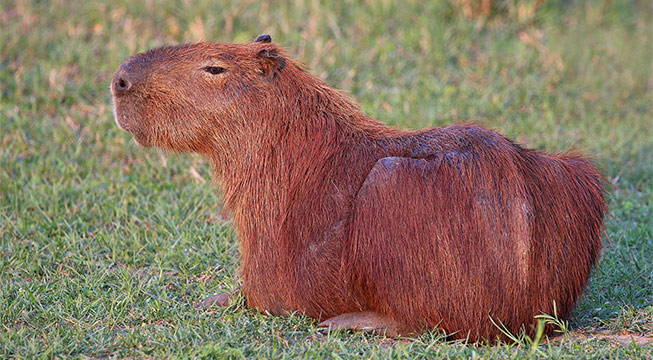
Capybaras play a key role in the Amazon ecosystem. By grazing on grasses and aquatic plants, they help control plant growth and keep waterways open. Their droppings add nutrients to the soil, supporting more plant life. And, because they are prey for jaguars, caimans, and anacondas, their healthy diet keeps the food chain in balance.
Credit: blog.pachamama.org
Frequently Asked Questions
What Is The Favorite Food Of Capybaras In The Amazon?
Capybaras prefer fresh grasses and young aquatic plants. These foods are easy to chew and rich in nutrients, making them the top choice when available.
Do Capybaras Eat Meat Or Fish?
No, capybaras are strictly herbivores. They do not eat meat, fish, or insects. Their digestive system is only designed for plant material.
How Do Capybaras Find Food During The Dry Season?
During the dry season, capybaras travel further from water to find food. They eat tougher plants, bark, and roots to survive until fresh vegetation returns.
Is The Capybara’s Diet The Same In Zoos As In The Wild?
In zoos, capybaras often eat hay, vegetables, and commercial rodent pellets. However, keepers try to mimic their wild diet by providing fresh greens and aquatic plants.
Where Can I Find More Information About Capybara Diets?
You can learn more about capybara diets and behavior at the Wikipedia page on Capybaras for further reading.
Capybaras have adapted perfectly to the Amazon rainforest, using its rich plant life to meet all their dietary needs. Their varied, plant-based menu supports not just their health, but also the balance of the entire ecosystem. Whether grazing on grasses or nibbling on floating fruits, capybaras are a vital part of life in the Amazon.


