

Capybaras are the world’s largest rodents, and their relaxed lifestyle often fascinates people. But what do these gentle giants eat in the wild to stay healthy and thrive? Understanding their diet gives us a window into how they survive and why they choose certain habitats. If you’re curious about the natural eating habits of wild capybaras, this article explores everything you need to know—from what they munch on daily to how their menu changes with the seasons.
The Capybara’s Natural Habitat
Capybaras are found throughout South America. They live close to water bodies like rivers, swamps, and marshes. These wetland environments provide both food and safety. The abundance of green plants in these areas means capybaras never have to travel far for a meal.
The climate and rainfall in their habitat affect which plants are available. In the rainy season, water levels rise and more vegetation grows. In dry periods, capybaras must search harder for food, sometimes grazing at night to avoid the heat and predators.
Main Foods Capybaras Eat In The Wild
Capybaras are herbivores, which means they eat only plants. Their diet is rich in fiber and low in fat, keeping them healthy and active.
Grasses
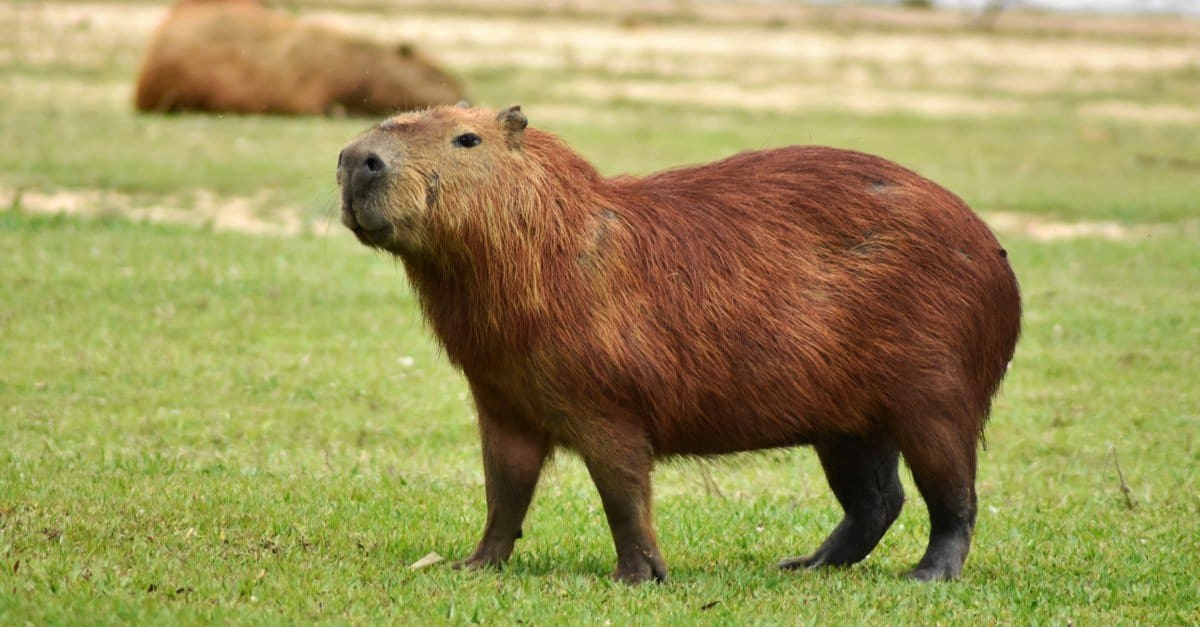
Grasses are the most important food for wild capybaras. They make up about 70–80% of their diet. Capybaras prefer short, soft grass that is easy to chew. Some common types they eat include:
- Bermuda grass
- Switch grass
- Guinea grass
Grasses are available almost all year, but their quality changes with the seasons. In the wet season, grass is green and full of nutrients. In the dry season, it becomes tough and less nutritious.
Aquatic Plants
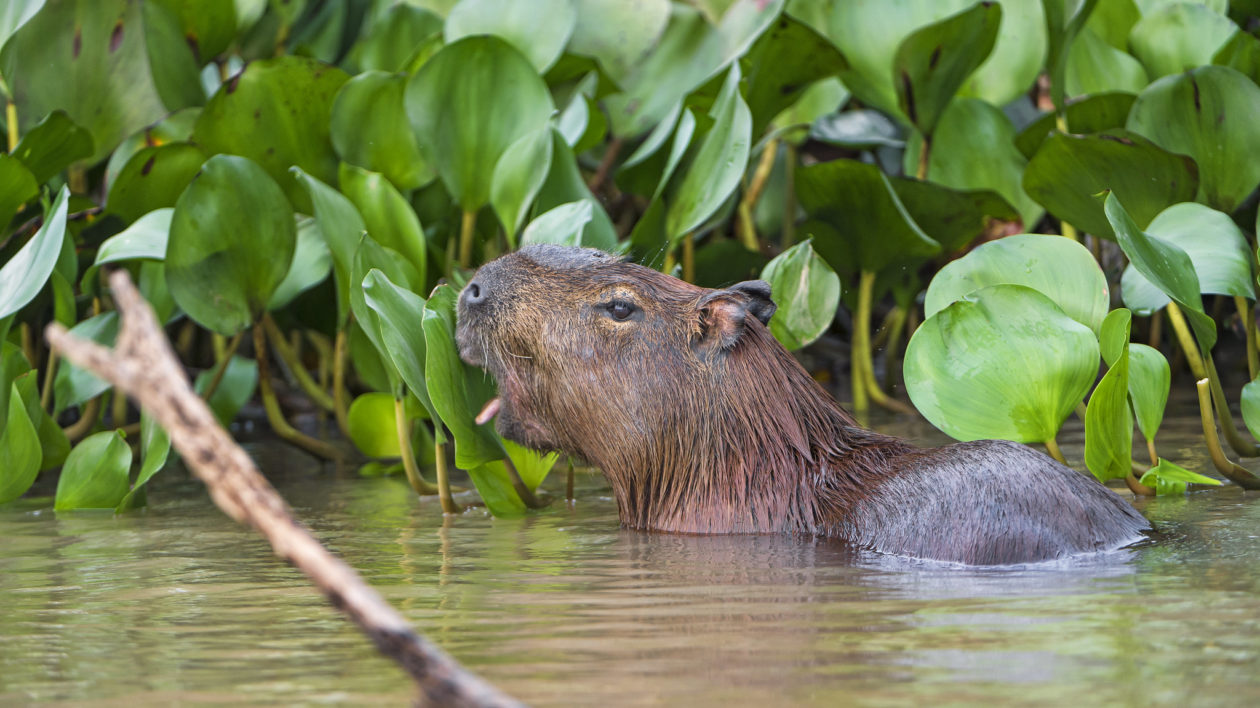
Capybaras often spend hours in and around water, so aquatic plants are also a big part of their meals. They eat:
- Water hyacinth
- Duckweed
- Water lettuce
These plants are easy to find in the wetlands where capybaras live. Aquatic plants provide minerals and help capybaras stay hydrated, especially during hot weather.
Fruits And Vegetables
Wild capybaras will eat fruits and vegetables when they find them, but these foods are less common in their diet. In the wild, they might eat:
- Wild melons
- Mangoes
- Various berries
These foods are mostly available during certain seasons. Fruits give capybaras extra energy and vitamins, but too much can upset their stomach.
Tree Bark And Roots
When grasses and aquatic plants are scarce, capybaras eat tree bark and roots. This happens more during the dry season or when their usual food is not available. Bark is tough and not as easy to digest, but it helps capybaras survive hard times.
Recycled Food: Cecotrophy
Capybaras practice cecotrophy—they eat their own special soft droppings, called cecotropes. This might sound strange, but it’s important. Cecotropes are rich in vitamins and protein, made by bacteria in the capybara’s gut. By eating them, capybaras get nutrients that are not digested the first time.
Seasonal Changes In Diet
Capybara diets change with the seasons. The main factors are rainfall and temperature, which affect plant growth.
In the wet season, capybaras enjoy plenty of fresh grass and aquatic plants. During the dry season, food becomes harder to find, so they eat more bark, roots, and even dry, tough grass. They may also travel farther and feed in groups to find enough food.
Below is a comparison showing how their food choices shift between the wet and dry seasons.
| Season | Main Foods | Secondary Foods |
|---|---|---|
| Wet Season | Fresh grasses, aquatic plants | Fruits, vegetables |
| Dry Season | Tough grasses, bark, roots | Leaves, dry aquatic plants |
How Capybaras Choose Their Food
Capybaras are selective grazers. They prefer young, soft plants because these are easier to chew and digest. Their teeth are strong and keep growing, which helps them handle tough foods when needed.
Capybaras use their sense of smell to find good food. They often feed in the early morning and late afternoon to avoid the midday sun and predators. Sometimes, they eat at night if it’s too hot during the day.
Credit: blog.nature.org
The Role Of Water In Their Diet
Water is vital for capybaras. Not only do they live near water, but they also eat many water-rich plants. This helps them stay cool and hydrated, especially in the hot South American climate.
Capybaras can swim and even sleep in water. Their food choices reflect the need to stay close to water sources, both for safety and for feeding.
Nutritional Needs And Digestion
Capybaras need a diet high in fiber. This keeps their digestive system healthy. Too much fat or sugar (like from cultivated fruit) is not good for them. In the wild, their food is naturally balanced.
Their stomachs are adapted to break down tough plant material. Bacteria in their gut help digest cellulose, a fiber found in grasses. This is why cecotrophy is so important for them—it allows capybaras to absorb extra nutrients.

Credit: petcapybara.com
Unique Eating Behaviors
One thing many people do not know is that capybaras often feed together in groups. This group feeding provides safety from predators and helps them find good feeding spots. Dominant animals get the best food, while younger or weaker ones eat what is left.
Another interesting behavior is their use of trails. Capybaras create feeding paths from the water to their favorite grazing areas. These trails are used daily and help the group move safely.
Here is a simple comparison between a capybara’s diet and a domestic guinea pig’s diet:
| Animal | Main Foods | Habitat |
|---|---|---|
| Capybara (wild) | Grasses, aquatic plants, bark | Wetlands |
| Guinea Pig (pet) | Hay, vegetables, pellets | Homes/cages |
Common Misconceptions About Capybara Diet
Many people believe capybaras eat a wide variety of fruits or even fish. In reality, their wild diet is simple—mostly grasses and aquatic plants. They rarely eat fruit, and never eat meat. Giving captive capybaras too much fruit can cause health issues.
Another misconception is that capybaras can survive far from water. In fact, their food and water needs keep them close to wetland environments.
Credit: a-z-animals.com
Frequently Asked Questions
What Is A Capybara’s Favorite Food In The Wild?
Capybaras prefer fresh, soft grasses. These are easy to chew, full of nutrients, and available in most wetland areas.
Do Capybaras Eat Meat In The Wild?
No, capybaras are strict herbivores. They only eat plants and do not hunt or scavenge animals.
Can Capybaras Eat Human Foods Like Bread Or Snacks?
Wild capybaras do not eat processed foods. Bread, snacks, or sugary items are unhealthy and not part of their natural diet.
How Do Capybaras Get Enough Vitamins And Minerals?
Capybaras get most vitamins and minerals from grasses and aquatic plants. They also practice cecotrophy, which allows them to absorb extra nutrients from their droppings.
Are There Any Dangers If A Capybara’s Diet Changes Suddenly?
Yes, sudden diet changes can cause digestive problems. Capybaras need a stable, high-fiber diet to stay healthy.
For more details on capybaras in the wild, you can visit the Wikipedia page on Capybaras.
Capybaras may look laid-back, but their diet is carefully chosen for survival. The next time you see a capybara grazing, remember they are experts at picking the best food nature offers—one bite at a time.


