

Capybaras have become famous on the internet for their calm nature and social behavior. But what do capybaras actually like in their daily lives? If you ever wondered what makes these gentle rodents happy, you’re not alone. Understanding their preferences is important for anyone interested in capybara care, animal behavior, or just curious about these unique creatures.
In this article, you’ll learn about the favorite foods, activities, and environments of capybaras. You’ll also discover some surprising facts that most people—even new capybara owners—miss. Whether you’re a pet owner, a zoo visitor, or a wildlife lover, these insights will help you see capybaras in a new way.
What Capybaras Like To Eat
Food is a big part of any animal’s life, and capybaras are no exception. They are herbivores, which means they only eat plants.
Favorite Foods
Capybaras love to eat fresh grasses. In the wild, around 70% of their diet is made up of different grasses. They also enjoy:
- Aquatic plants: They often eat plants found in or near water.
- Fruits: Capybaras like apples, melons, and berries as treats.
- Vegetables: They appreciate carrots, squash, and leafy greens.
- Bark and reeds: In the dry season, they chew on tree bark and reeds.
For a quick comparison, here is how their wild diet compares to common pet diets:
| Food Type | Wild Capybara Diet (%) | Pet Capybara Diet (%) |
|---|---|---|
| Grasses | 70 | 50 |
| Aquatic Plants | 20 | 10 |
| Fruits & Vegetables | 8 | 30 |
| Bark/Reeds | 2 | 10 |
Non-obvious Insight
Capybaras practice coprophagy—they eat their own soft feces. This helps them digest plant fibers better and get more nutrients. Many new owners find this behavior strange, but it’s completely normal.
Social Life And Companionship
Capybaras are extremely social animals. They rarely live alone in the wild. In fact, a group of capybaras, called a herd, usually has 10–20 members, and sometimes up to 100 during dry seasons.
Group Preferences
- Physical contact: Capybaras like to sit close and even pile on top of each other when resting.
- Grooming: They groom each other by nibbling and licking, which helps with bonding.
- Communication: Capybaras use many sounds like purrs, whistles, and barks to ‘talk’ with their group.
If kept alone, capybaras can become stressed or depressed. They do best when they have at least one companion.

Credit: japanhouse.illinois.edu
Water And Swimming
The name capybara means “master of the grasses,” but they are also known as water-loving rodents. Water is central to their happiness.
Water-related Activities
- Swimming: Capybaras are strong swimmers and can stay underwater for up to five minutes.
- Soaking: They spend hours soaking to stay cool and keep their skin healthy.
- Playing: Young capybaras often play and chase each other in water.
A large water source is a must for any capybara enclosure. Without regular access to water, capybaras can develop dry skin and stress.
Comparison: Pool Size For Pet Capybaras
| Number of Capybaras | Minimum Pool Size (m²) | Depth (meters) |
|---|---|---|
| 1 | 8 | 0.6 |
| 2-4 | 16 | 0.8 |
| 5+ | 25+ | 1+ |
Environment And Shelter
Capybaras prefer environments that are warm, safe, and close to water. They naturally live in savannas, forests, and wetlands of South America.
Shelter Preferences
- Shade: They like shaded areas to avoid too much sun.
- Soft ground: Capybaras enjoy lying on grass or sand, which is gentle on their feet and body.
- Hiding spots: Bushes, rocks, or artificial shelters help them feel secure.
Temperature Range
Capybaras do best at temperatures between 20°C and 30°C (68°F–86°F). If it gets colder, they need extra warmth, like heated shelters.
Non-obvious Insight
Capybaras are sensitive to loud noises and sudden changes. They prefer calm, quiet surroundings and can get anxious in busy or noisy places.
Toys, Enrichment, And Mental Stimulation
While capybaras are easygoing, they still need mental stimulation to stay healthy.
Favorite Activities
- Chewing toys: Safe wood blocks or branches keep their teeth healthy.
- Puzzle feeders: These encourage natural foraging behavior.
- Exploring: Capybaras enjoy new scents, objects, or areas to investigate.
Without enrichment, capybaras can become bored or develop unwanted behaviors.
Interaction With Other Animals
Capybaras are famous for getting along with many other animals. You may have seen photos of capybaras relaxing with birds, monkeys, or even cats and dogs.
Animal Friendships
- Birds: Capybaras allow small birds to perch on their backs and eat insects from their fur.
- Other pets: With slow introductions, capybaras can live peacefully with rabbits, guinea pigs, or calm dogs.
However, not all animals make good companions. Aggressive or predatory pets should be avoided.

Credit: earthcubs.com
Common Mistakes In Capybara Care
Even experienced owners make mistakes. Here are two that many beginners miss:
- Ignoring social needs: Keeping a capybara alone often leads to stress and health issues.
- Poor water access: A small tub is not enough; capybaras need a real pool for swimming and soaking.
Capybara Preferences At A Glance
Here’s a summary of what capybaras like most:
| Preference | Why They Like It |
|---|---|
| Fresh grasses | Primary food, easy to digest |
| Water for swimming | Keeps them cool and happy |
| Other capybaras | Essential for social health |
| Shade and soft ground | Comfort and relaxation |
| Toys/enrichment | Mental and dental health |
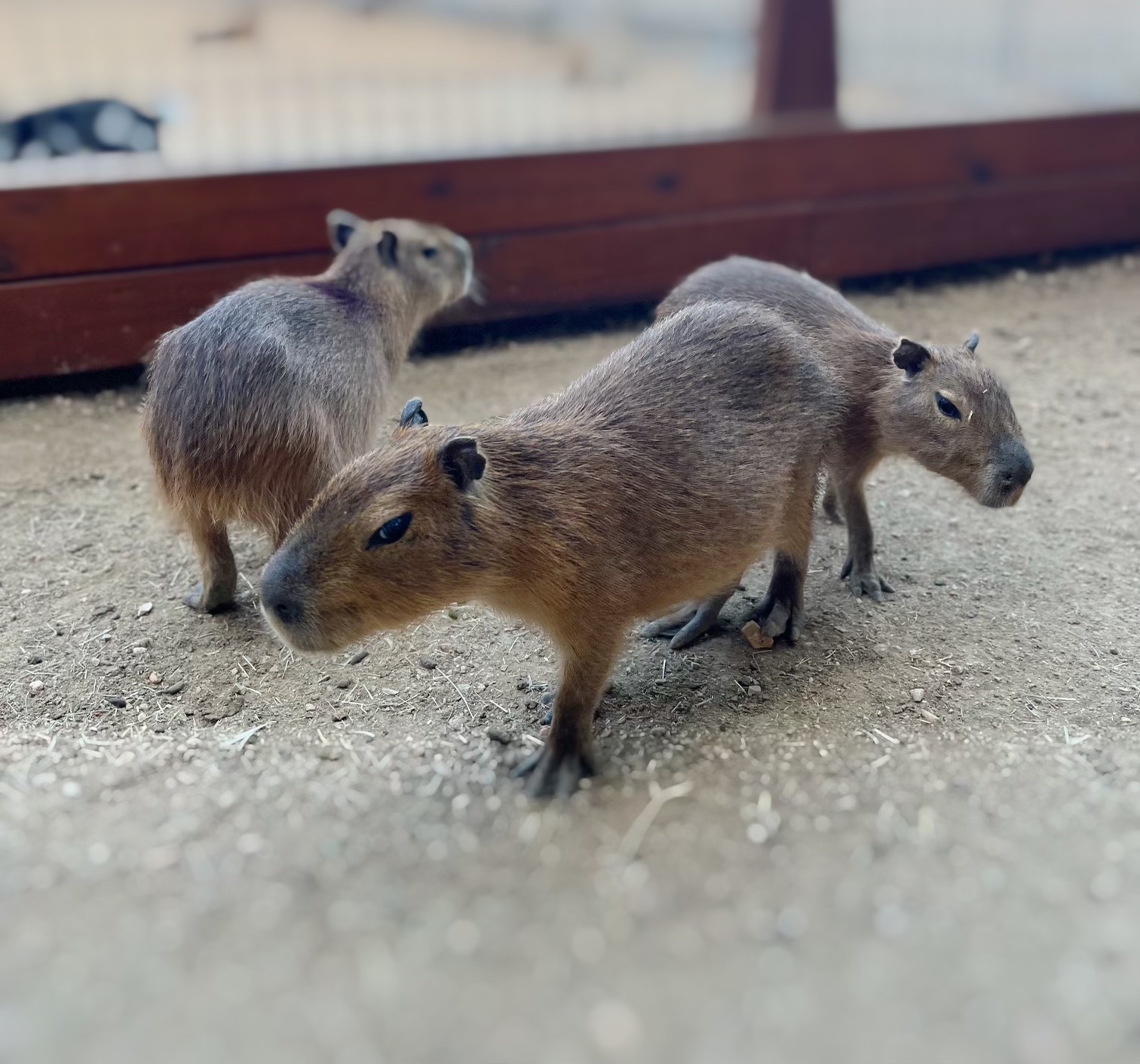
Credit: www.awsfzoo.com
Frequently Asked Questions
What Do Capybaras Eat In Captivity?
Capybaras in captivity eat hay, fresh grasses, vegetables, and sometimes pellets made for guinea pigs. Fruits are given as treats, not main food.
Can Capybaras Live Alone?
It’s not recommended. Capybaras are social animals and can become depressed if kept alone. They do best with at least one companion.
Do Capybaras Like Being Petted?
Some capybaras enjoy gentle petting, especially if raised around people. However, every animal is different. Watch for signs of stress, like moving away or making warning noises.
What Temperature Is Best For Capybaras?
Capybaras like warm temperatures between 20°C and 30°C. They need extra heat if kept in cooler places.
Are Capybaras Dangerous?
Capybaras are generally gentle and non-aggressive. They rarely bite and are safe around people if handled calmly. Like any animal, they need respect and proper care.
Capybaras are fascinating creatures with unique likes and needs. By understanding what capybaras like, you can give them a happier, healthier life—whether in the wild, in a zoo, or at home. For more detailed information, you can visit the Wikipedia page on capybaras. Their love for water, social life, and simple pleasures make them a joy to watch and care for.


