

Capybaras often surprise people with their calm nature and unusual looks. As the world’s largest rodent, they attract animal lovers, biologists, and even meme fans. But one question comes up often: What do capybaras live—where do they truly feel at home, what environments do they need, and how do they adapt? Understanding their living habits helps us see why these gentle giants thrive in the wild and why they are so unique.
Where Capybaras Live In The Wild
Capybaras are native to South America. You can find them in countries like Brazil, Venezuela, Colombia, Argentina, and Peru. They prefer regions with abundant water sources, as their bodies and behaviors are adapted for a semi-aquatic life.
| Country | Main Habitat Regions | Population Density |
|---|---|---|
| Brazil | Pantanal, Amazon basin | Very High |
| Venezuela | Llanos wetlands | High |
| Argentina | Riverbanks, marshes | Medium |
| Colombia | Orinoco basin | High |
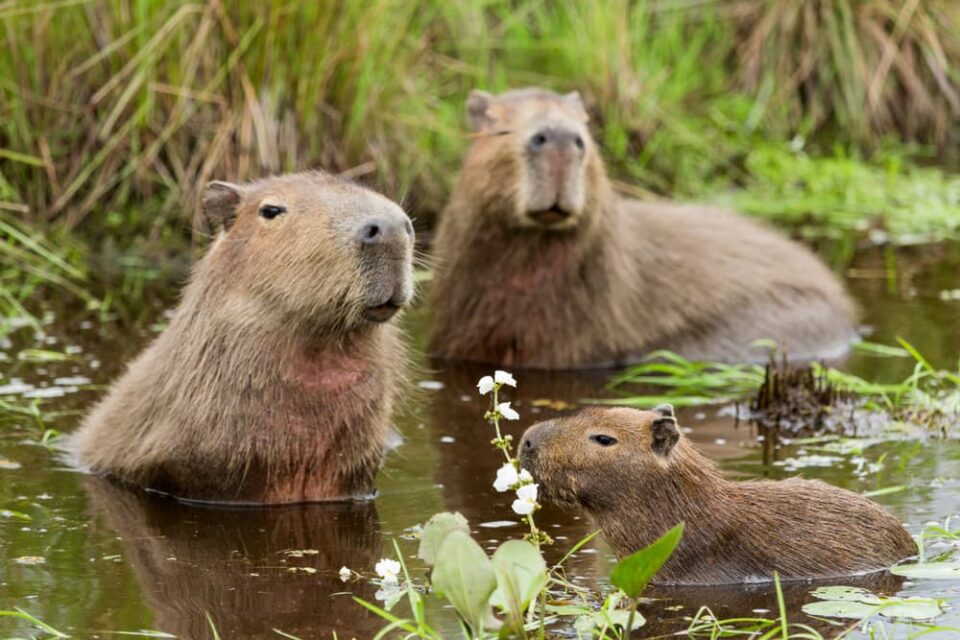
Their favorite places include dense forests, savannas, and especially marshes. What matters most is access to water—capybaras rarely live far from rivers, lakes, or swamps.
Features Of Their Natural Habitat
Capybaras need specific conditions to survive and feel comfortable. Their natural habitat shares some common features:
- Fresh Water: Ponds, slow-moving rivers, or swamps are essential. Capybaras spend much of their time in water to stay cool and escape predators.
- Thick Vegetation: They use tall grasses and shrubs for hiding from threats and for food.
- Soft, Muddy Ground: The wet soil is perfect for their sensitive feet and helps them move quietly.
A fascinating fact: capybaras can hold their breath for up to 5 minutes underwater. This skill lets them hide from jaguars, caimans, and other predators.
Credit: www.littlepassports.com
Capybara Social Living
Capybaras are not solitary animals. They live in groups called herds, usually with 10–20 members. In some places, these groups can grow to 100 during dry seasons when water is scarce.
Group living offers several advantages:
- Safety in numbers—more eyes to watch for predators.
- Shared care for young—mothers help each other protect babies.
- Better access to resources—they can find water and food more easily together.
Living in a herd is a big reason why capybaras do so well in the wild.
Capybaras And Human Environments
In recent years, capybaras have adapted to living near humans. You can find them in:
- City parks and ponds in Brazil and Argentina
- Agricultural fields where water is available
- Wildlife reserves and zoos around the world
In cities like Buenos Aires, capybaras have become a common sight. They use man-made lakes and even golf courses for shelter and food. However, this sometimes causes conflict with people, especially when capybaras eat crops or damage lawns.
Capybaras As Pets
Some people want to keep capybaras as pets. While they can be friendly and social, their living needs are quite complex. Here’s what they require in a home:
| Requirement | Minimum Standard | Why It Matters |
|---|---|---|
| Space | At least 100 sq. meters outdoors | They need room to roam and graze |
| Water Access | Pond or large pool | Swimming is essential for health |
| Social Companionship | Another capybara (or more) | They get lonely and stressed alone |
| Shelter | Dry, wind-protected area | Protection from cold and rain |
A major insight: capybaras rarely thrive alone. Keeping just one is a mistake many beginners make. They are happiest and healthiest with at least one companion.
Seasonal Changes And Migration
Capybaras do not migrate long distances, but their living patterns change with the seasons. During the wet season, water is everywhere, so they spread out. In the dry season, groups gather around the remaining water sources.
This seasonal movement helps them survive droughts and avoid overgrazing one area. When water returns, the capybaras move back to their usual territories.
Capybaras’ Diet And Its Link To Habitat
A capybara’s diet is closely tied to their environment. They are herbivores and prefer:
- Grasses
- Aquatic plants
- Fruit (occasionally)
- Bark and reeds
In the wild, they eat up to 3–4 kg of grass each day. When grass is scarce, they will eat soft tree bark or even farm crops. Their teeth grow continuously, so chewing tough plants keeps them healthy.
One detail many miss: capybaras often eat their own feces in the morning. This helps them digest plant fibers better, thanks to special bacteria in their stomachs.
Threats To Capybara Habitats
Capybaras are not endangered, but their habitats face risks:
- Wetland destruction from farming and urban growth
- Pollution of rivers and lakes
- Hunting for meat and hides in some regions
Despite these threats, capybaras adapt well. In some cases, they even move into artificial lakes or drainage ponds. Still, protecting wetlands is vital for their long-term survival.
Credit: a-z-animals.com
Unique Adaptations For Living
Capybaras have special features that help them live in water-rich environments:
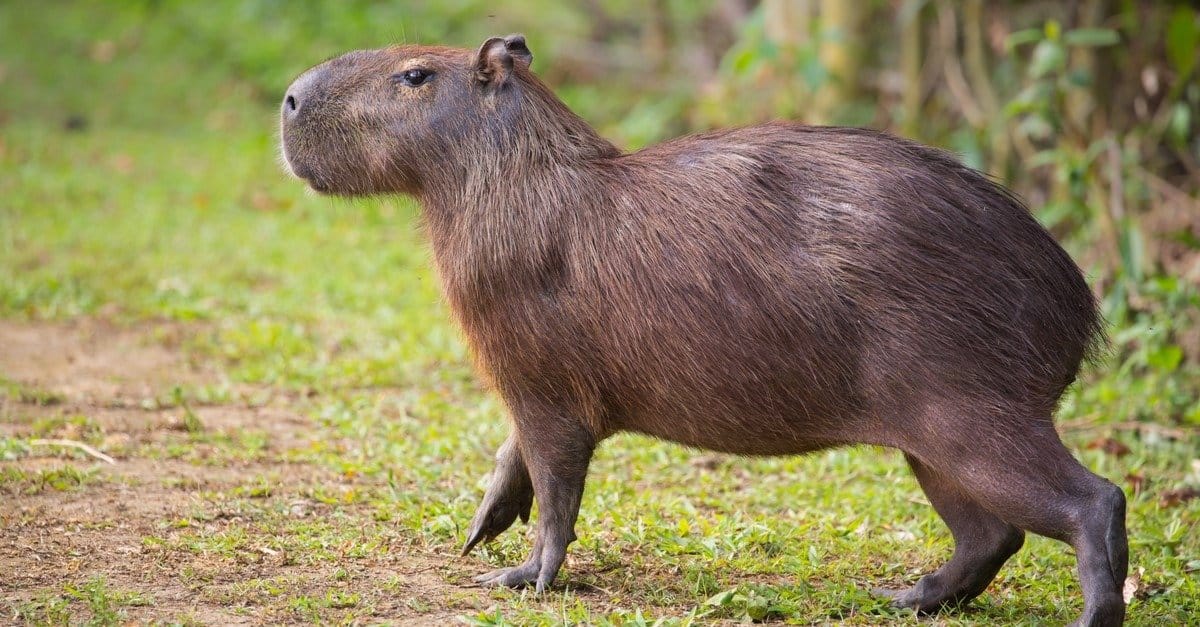
- Webbed feet for swimming and walking on mud
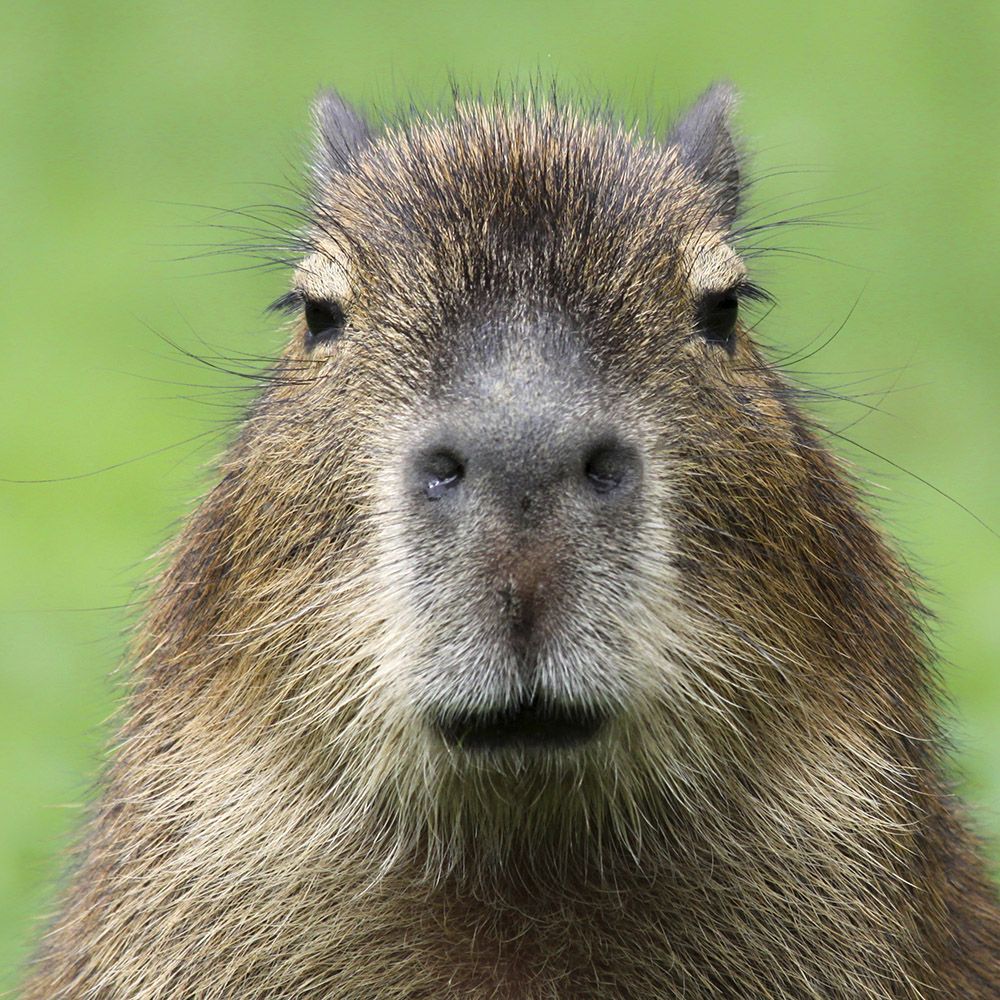
- Eyes, ears, and nose on top of their heads, so they can breathe and watch for danger while mostly underwater
- Thick, oily skin that protects against sun and water loss
These adaptations make the capybara one of the most successful large mammals in the tropical wetlands of South America.
Capybaras In Other Countries
Capybaras are now found outside their native range due to escapes from zoos and private owners. For example, small populations exist in Florida, USA, but they have not spread widely. Some countries ban owning capybaras because they can become invasive and damage local ecosystems.
If you want more about capybara habits and conservation, check the Wikipedia page on Capybaras for further reading.
Credit: www.rainforest-alliance.org
Frequently Asked Questions
Where Are Capybaras Most Commonly Found?
Capybaras are most common in Brazil, especially in the Pantanal and Amazon basin. They also live in Venezuela, Argentina, and Colombia, always near water.
Can Capybaras Live Alone?
No, capybaras are social animals. They get stressed and can develop health problems if kept alone. A group of at least two is best.
How Much Space Do Pet Capybaras Need?
Each capybara should have at least 100 square meters of outdoor space, plus a swimming area. More space is always better for their well-being.
Do Capybaras Live In Zoos?
Yes, many zoos around the world keep capybaras. Zoos try to mimic their natural habitat with water, grass, and companions.
Are Capybaras Dangerous To Humans?
Capybaras are generally gentle and shy. They rarely bite, but like all wild animals, they should be treated with respect and care.
Capybaras’ unique homes, social lives, and adaptability make them fascinating animals. Understanding where and how they live helps us appreciate their role in nature—and why protecting their habitats matters for everyone.


