

Capybaras are the world’s largest rodents, famous for their calm nature and love of water. Many people are drawn to their gentle personalities and unique appearance. But keeping a capybara healthy is not simple—they have very specific needs. If you want to care for these amazing animals, you must understand what helps them survive and thrive.
Let’s explore the essentials that every capybara needs in order to live a happy, healthy life.
Proper Diet For Capybaras
Capybaras are herbivores, meaning their diet is made up of plants. In the wild, they eat mostly grasses, aquatic plants, and sometimes fruits or vegetables. For pet capybaras, providing the right food is critical.
A typical adult capybara eats about 3-4 kg (6-9 lbs) of fresh grass daily. If you cannot provide fresh grass, good quality hay such as Timothy or Bermuda is necessary. Supplement their diet with small amounts of vegetables like carrots, sweet potatoes, and leafy greens.
Capybaras need extra vitamin C because they cannot make it themselves. A lack of vitamin C can cause scurvy—a serious health problem. You can offer vitamin C-rich vegetables like bell peppers and broccoli, or add supplements as advised by a veterinarian.
Never give capybaras processed foods, meats, or foods high in sugar. These can lead to digestive problems or even death.
Fresh Water And Swimming
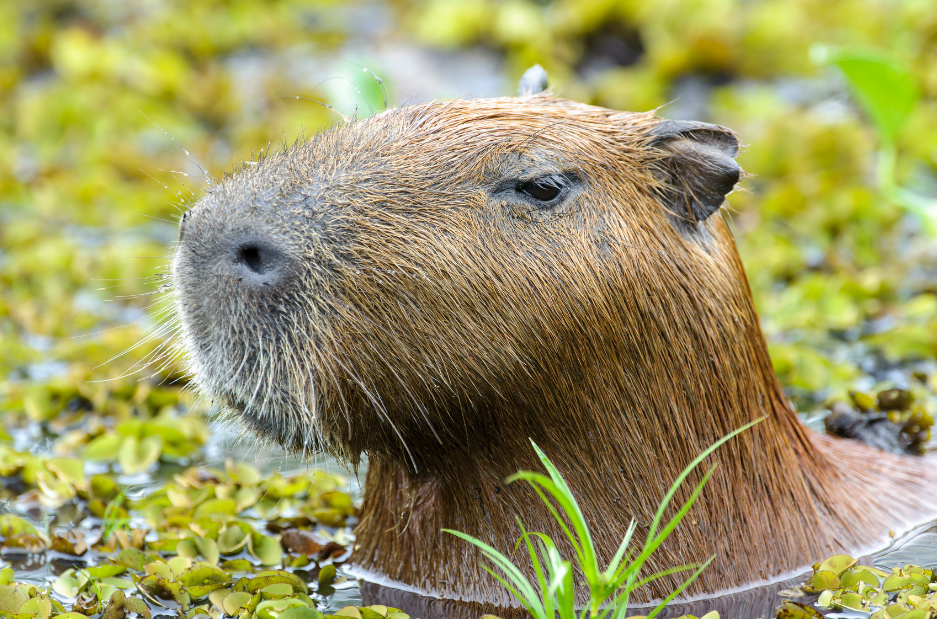
Water is more than just a drink for capybaras—it is essential for their health and happiness. In the wild, capybaras spend much of their time in or near water. They use it to swim, cool off, escape from predators, and even mate.
A captive capybara needs daily access to fresh, clean water for drinking. But just as important, they need a large pool or pond for swimming. The water should be deep enough for the capybara to submerge completely—ideally at least 60 cm (2 feet) deep.
Here’s a quick comparison of water needs for capybaras in different environments:
| Environment | Drinking Water | Swimming Area |
|---|---|---|
| Wild | Natural rivers/ponds | Wide, deep bodies of water |
| Zoo | Automatic systems | Large artificial ponds |
| Home | Fresh changed daily | Backyard pool/pond |
Stagnant or dirty water can lead to infections and parasites. Clean pools regularly and make sure your capybara can get in and out easily.
Credit: animalcorner.org
Safe And Spacious Shelter
Capybaras need a lot of space. They are social animals and walk long distances in the wild. A small cage or pen will make them stressed and unhealthy. At home, you should provide at least 30 square meters (320 square feet) for one or two capybaras. The more space, the better.
The shelter should protect them from rain, strong sun, and cold winds. Capybaras can tolerate a range of temperatures, but they do best between 21°C and 32°C (70°F to 90°F). In cold climates, you must provide heated indoor space.
Fencing should be at least 1.2 meters (4 feet) high and secure, since capybaras can squeeze through small gaps or dig under fences. Use sturdy materials and check for weak spots often.
Social Companionship
Capybaras are highly social and live in groups called herds. They feel lonely and anxious when kept alone. Most experts recommend keeping at least two capybaras together—ideally more.
Here’s a look at how group size affects a capybara’s mental health:
| Group Size | Behavior | Stress Level |
|---|---|---|
| Single | Withdrawn, vocalizes often | High |
| Pair | Playful, relaxed | Low |
| Group (3+) | Natural herd behavior | Very low |
If you must keep only one, spend a lot of time with your pet and provide plenty of toys and enrichment. But nothing replaces the company of another capybara.

Credit: worldrainforests.com
Proper Health Care
Capybaras need regular veterinary care. Find a vet who has experience with exotic animals or rodents. Capybaras are prone to certain problems, such as:
- Skin infections
- Parasites (especially in dirty water)
- Tooth overgrowth
- Vitamin C deficiency
Check their teeth, skin, and feet weekly for signs of problems. Trim nails if they get too long. Vaccinations are not always required, but discuss with your vet what is best in your area.
A common mistake is assuming capybaras are “easy” pets. They require as much care as a dog or cat—sometimes more.
Mental Stimulation And Enrichment
Capybaras are curious and intelligent. Without things to do, they get bored and may develop bad habits like chewing wires or fences. Give them safe branches to chew, puzzle feeders, balls, and things to explore.
Change their environment sometimes. Rearrange logs and add new objects. Even a shallow sandbox or gentle waterfall can keep them busy and happy.
A non-obvious tip: Capybaras enjoy music and gentle sounds. Soft background music can help nervous capybaras relax—just keep the volume low.

Credit: capybaraworld.wordpress.com
Proper Grooming
Capybaras spend time grooming each other in the wild. This keeps their fur clean and helps with social bonding. If your capybara doesn’t have a friend, gently brush its fur once or twice a week. This removes loose hair and prevents matting.
Check for ticks or fleas, especially if your capybara has access to grass or outdoor spaces. Regular grooming also helps you spot injuries or infections early.
Legal And Ethical Considerations
Before you decide to keep a capybara, check your local laws. In some places, it is illegal or requires a special permit to own one. Capybaras are wild animals, and not all regions allow them as pets.
Also, ask yourself if you can meet all their needs for 8-12 years (their average lifespan in captivity). They need daily care, social time, and medical attention.
If you want more detailed information, you can visit the Wikipedia page on Capybaras.
Frequently Asked Questions
What Do Capybaras Eat?
Capybaras eat mainly grasses, hay, and some vegetables. They need foods rich in vitamin C and should not eat processed or sugary foods.
Do Capybaras Need To Live With Another Capybara?
Yes, capybaras are social animals and do best with at least one other capybara. Living alone can cause stress and health problems.
How Much Space Does A Capybara Need?
Each capybara needs at least 30 square meters of space, plus a swimming area. More space is always better for their health and happiness.
Are Capybaras Dangerous To Humans?
Capybaras are usually gentle, but they have strong teeth and can bite if scared or stressed. Handle them calmly and with respect.
Can Capybaras Live Indoors?
Capybaras should not live only indoors. They need outdoor space and a pool for swimming. Indoor time is fine, but it cannot replace their natural needs.
Caring for a capybara is a serious commitment. Meeting all their needs—from food and water to companionship and space—will help them live long, healthy lives. If you can provide the right environment, capybaras can become wonderful companions and bring joy for many years.


