

Many people have seen pictures of capybaras relaxing in hot springs or making friends with other animals. But a question that sometimes comes up is, “What do capybaras taste like? ” This is not just curiosity—capybaras have actually been eaten in some parts of the world for centuries.
Their meat has a unique place in food history, especially in South America, but it’s rarely discussed openly. If you are wondering about the flavor, texture, and uses of capybara meat, this article will give you a complete and honest answer.
The Cultural Context Of Eating Capybara
Capybaras are the largest rodents in the world, native to South America. In countries like Venezuela and Brazil, eating capybara is not unusual. In fact, during Lent (when Catholics avoid red meat), Venezuelans often eat capybara because the church once declared it a “fish” for fasting reasons. This decision was based on the animal’s semi-aquatic lifestyle, not its biological category.
In most of the world, capybaras are not a common food. In North America and Europe, they are more likely to be found in zoos or as pets. However, learning about their flavor can help you understand food diversity and cultural differences.
What Does Capybara Meat Taste Like?
People often compare capybara to other meats, but it does not taste exactly like anything else. Most people describe capybara as having a mild, slightly sweet flavor. It is more delicate than beef or pork, but richer than chicken. The taste can change a bit depending on the animal’s diet and how the meat is cooked.
Capybara meat is not gamey. It has a clean flavor with a hint of earthiness, thanks to its plant-based diet. Some people say it reminds them of duck or rabbit, but with its own unique twist.
:max_bytes(150000):strip_icc():focal(149x0:151x2)/capybara-1-300-dbd2c51946de4b989723201dac1f20ff.jpg)
Credit: people.com
Texture And Appearance
The texture of capybara meat is another big part of the experience. It is usually lean but not tough, with short muscle fibers. When cooked properly, the meat is tender and juicy. The color is a light red to pink, similar to pork or veal, but sometimes a bit darker if the animal is older.
Here is a comparison of capybara meat with other common meats:
| Meat | Texture | Color (Raw) |
|---|---|---|
| Capybara | Lean, tender | Pinkish red |
| Pork | Firm, moist | Pale pink |
| Beef | Firm, sometimes fatty | Bright red |
| Rabbit | Fine-grained, lean | Pale pink |
How Capybara Is Prepared And Served
In South America, capybara meat is cooked in several ways. The most popular dishes include stews, roasts, and sausages. It is often seasoned with garlic, onions, and local herbs to bring out its natural flavor. Grilling is also common, especially in Brazil.
Some families prepare capybara for special occasions, while others eat it as an everyday protein. Because the meat is lean, it is important to cook it slowly or add some fat to avoid dryness.
Here is how capybara compares in common cooking methods:
| Cooking Method | Result | Tips |
|---|---|---|
| Stewing | Very tender | Cook slowly with broth |
| Grilling | Flavorful, can be dry | Marinate, don’t overcook |
| Roasting | Crispy outside | Baste with oil or fat |
| Smoking | Rich flavor | Use mild wood smoke |
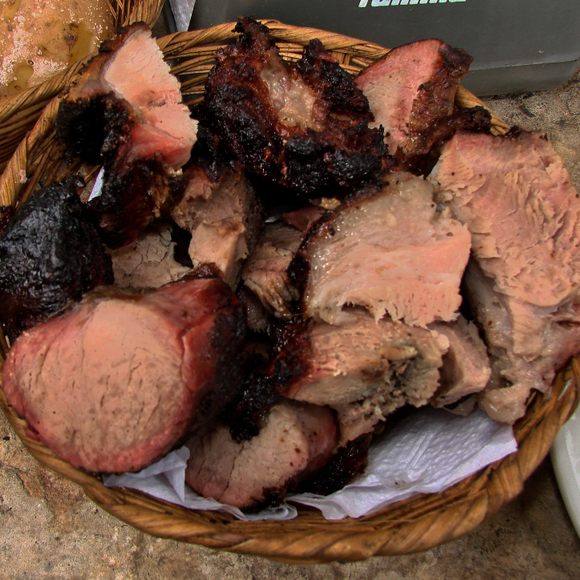
Credit: www.atlasobscura.com
Nutritional Value Of Capybara Meat
Capybara is a good source of protein, and it is relatively low in fat compared to beef or pork. It is also rich in B vitamins and some minerals like iron and zinc. One unique aspect is that capybara meat contains omega-3 fatty acids, which are usually found in fish, thanks to their natural diet of aquatic plants.
Here’s a comparison of capybara meat with other meats per 100g serving:
| Meat | Calories | Protein (g) | Fat (g) |
|---|---|---|---|
| Capybara | 130 | 22 | 4 |
| Chicken | 165 | 31 | 3.6 |
| Pork | 242 | 27 | 14 |
| Beef | 250 | 26 | 15 |
Non-obvious Insights About Capybara Meat
Many people assume eating capybara is rare, but in some rural areas of South America, it is a regular part of the diet. Another point many miss is that capybara fat is used to make traditional sausages or as a cooking oil substitute.
Additionally, because capybaras often graze near water, some hunters and cooks take special care to clean and prepare the meat to avoid a “muddy” aftertaste. The best flavor comes from animals that have eaten fresh grasses and aquatic plants.

Credit: www.reddit.com
Ethical And Legal Considerations
It is important to note that hunting or eating capybara is not legal in every country. In Brazil and some other nations, there are strict rules to protect wild populations. Only farm-raised or properly hunted capybaras can be eaten, and often only during certain times of the year.
If you are curious about trying capybara, check your local laws. Also, consider the ethical aspect—capybaras are intelligent, social animals. Their meat is a part of tradition for some, but not a necessity everywhere.
Frequently Asked Questions
Is Capybara Meat Safe To Eat?
Yes, if the meat is properly sourced and cooked. Like other wild meats, it should be handled carefully to prevent diseases. Farm-raised capybaras are usually safer because their diet and health are controlled.
Can You Buy Capybara Meat Outside South America?
Capybara meat is very hard to find outside South America. In most countries, it is not sold in regular stores. Some specialty markets or farms might offer it, but always check local laws before buying or importing.
Does Capybara Taste Like Chicken?
No, capybara does not taste exactly like chicken. It is often described as a cross between pork and rabbit, with a mild, slightly sweet flavor. Chicken is usually lighter and less rich.
What Is The Best Way To Cook Capybara?
Slow cooking methods like stewing or braising work best. These methods keep the meat tender and juicy. Grilling is also popular but needs care to avoid dryness.
Is Eating Capybara Ethical?
This depends on your perspective and local laws. In South America, eating capybara is part of tradition and is often regulated to protect the species. Always consider the source and the impact on wildlife.
Trying unique foods like capybara gives insight into different cultures and traditions. If you ever get the chance, approach it with an open mind and respect for the animal and the people who have included it in their diets for generations. For more about capybaras and their cultural significance, see this Wikipedia article.
Understanding what capybara tastes like is more than just about flavor. It opens a window into the world’s food history, the importance of tradition, and the choices we make about what we eat.


