

Have you ever wondered what a capybara eats? These gentle giants of the animal world have a diet that might surprise you.
Understanding what fuels their bodies can help you appreciate them even more. Whether you’re curious about their natural habitat or thinking about caring for one, knowing their favorite foods is key. Keep reading to discover the secrets behind the capybara’s meal choices and how their eating habits shape their unique lifestyle.

Credit: www.wildlifenomads.com
Capybara Diet Basics
Capybaras have a simple diet that suits their herbivore nature. They eat plants and grasses to get energy and stay healthy. Their eating habits help them survive in the wild and keep them strong. Understanding what capybaras eat helps us care for them better in zoos or as pets.
Natural Food Sources
Capybaras mostly eat grasses found near water. They also eat aquatic plants, leaves, and bark. Sometimes, they nibble on fruits and vegetables when available. Their diet changes with the seasons and food supply. These natural foods provide the nutrients capybaras need.
Daily Eating Habits
Capybaras spend much time eating every day. They feed mainly in the morning and late afternoon. They chew slowly and enjoy their food. Capybaras also practice coprophagy, eating their own feces to absorb more nutrients. This helps them get all the vitamins and minerals from their food.
Plant Preferences
Capybaras have a clear preference for plants. Their diet mainly consists of various types of vegetation found in their natural habitat. These plants provide the energy and nutrients capybaras need daily. Understanding their plant choices helps us learn more about their eating habits and care.
Grasses And Aquatic Plants
Grasses are the staple food for capybaras. They consume many kinds of grass found near rivers and lakes. These grasses are easy to digest and rich in fiber.
Aquatic plants also play a vital role in their diet. Capybaras spend a lot of time in water and eat plants like water hyacinth and water lettuce. These plants provide moisture and nutrients.
Fruits And Vegetables
Capybaras enjoy eating fruits and vegetables when available. They often eat fruits like melons and papayas. These fruits give them extra vitamins and sugars.
Vegetables such as carrots and squash also appear in their diet. These help keep capybaras healthy and active. Fruits and vegetables add variety to their mainly plant-based diet.
Surprising Dietary Choices
Capybaras mostly eat plants, but their diet holds some surprises. These large rodents sometimes add unusual items to their meals. Their eating habits show flexibility and adaptation to their environment.
Occasional Protein Intake
Capybaras are mostly herbivores. Still, they sometimes eat small amounts of protein. This includes insects, eggs, or small fish. These protein sources help them get extra nutrients. It happens especially during dry seasons when plants are scarce.
Unusual Food Items
Capybaras try more than just grass and leaves. They have been seen eating fruits like melons and pumpkins. They also nibble on tree bark and aquatic plants. Sometimes, they eat crops in farms, which surprises many farmers. This shows their ability to adapt to different food sources.

Credit: petcapybara.com
Feeding Behavior
Capybaras have unique feeding behaviors that help them survive in the wild. They spend a lot of time eating and searching for food. Their diet mainly includes grasses and aquatic plants. Understanding how capybaras eat shows how they live together and find food efficiently.
Social Eating Patterns
Capybaras are social animals. They often eat in groups. Group eating helps protect them from predators. One capybara watches while others eat. This teamwork keeps them safe. Eating together also strengthens their bonds. They share feeding spots and stay close during meals.
Foraging Techniques
Capybaras use careful methods to find food. They graze on grass near water. Sometimes, they swim to get plants underwater. Their strong teeth help cut tough plants. They choose fresh, soft plants first. Foraging usually happens during cooler parts of the day. This keeps them from getting too hot while eating.
Diet In Captivity
Capybaras in captivity need a careful diet to stay healthy. Their natural diet includes grasses and aquatic plants. In captivity, feeding them the right food keeps them strong and active. A balanced diet mimics their wild eating habits as closely as possible. It also prevents health problems and digestive issues. Understanding what to feed and what to avoid is very important for capybara owners.
Recommended Foods
Fresh grasses form the main part of a capybara’s diet. Hay is a good substitute if fresh grass is not available. Leafy greens like lettuce, kale, and spinach add variety. Fruits such as apples and melons can be treats but in small amounts. Vegetables like carrots and squash provide extra nutrients. Clean water must always be available for drinking. Feeding small amounts multiple times a day works best.
Avoiding Harmful Items
Avoid giving capybaras processed or sugary foods. Bread, chips, and sweets can cause serious health issues. Citrus fruits and onions should never be fed. Some plants like rhubarb and avocado are toxic to capybaras. Dairy products are not suitable for their digestion. Always check new foods for safety before offering them. Proper diet care helps capybaras live longer and happier lives.
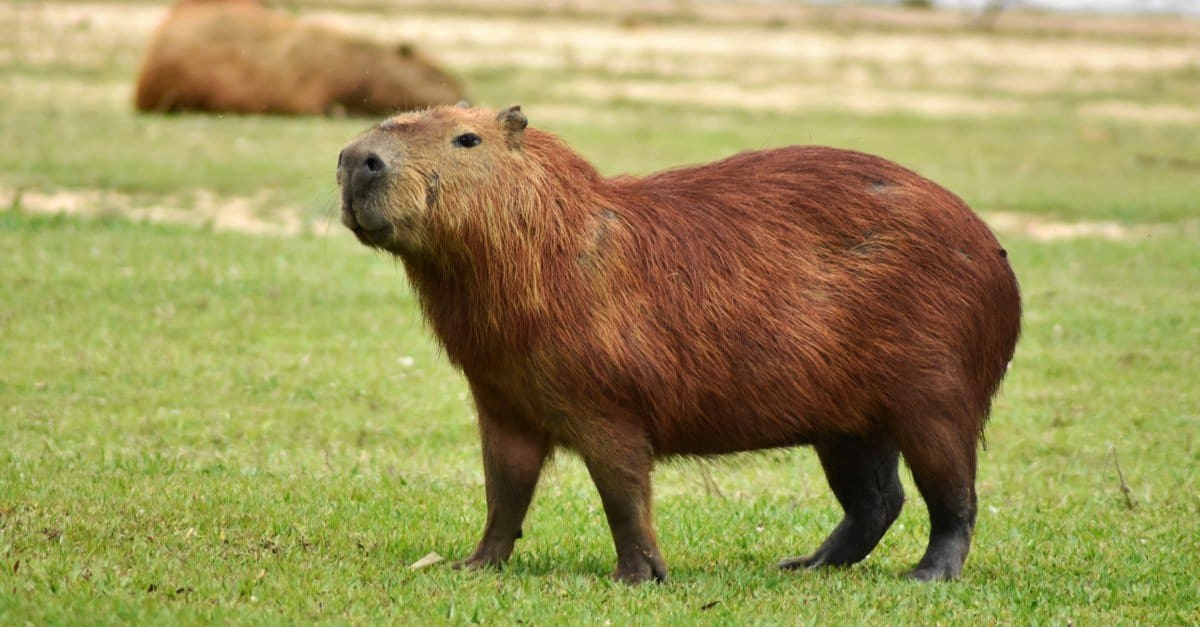
Credit: a-z-animals.com
Nutritional Needs
Capybaras have special nutritional needs to stay healthy and active. Their diet mainly consists of plants, but the type and quality of food matter a lot. Meeting these needs helps capybaras digest food well and maintain strong bodies.
Understanding their fiber and water needs is key to caring for them properly.
Fiber Importance
Fiber is essential for capybaras. It helps keep their digestive system working smoothly. Capybaras eat a lot of grasses and plants rich in fiber. This fiber aids in breaking down food and absorbing nutrients. Without enough fiber, they may suffer from stomach problems. Fiber also helps prevent obesity by keeping them full longer.
Water Consumption
Water is crucial for capybaras’ health. They drink water often to stay hydrated and cool. Capybaras live near water sources and use water to regulate their body temperature. Drinking plenty of water also supports digestion and nutrient absorption. Fresh, clean water should always be available for them.
How Capybara World Can Help You with What Does Capybara Eat
Learning More Through Observation and Care
Understanding what a capybara eats opens up some fun and practical learning opportunities, especially when you explore their feeding behavior and nutritional needs in different environments. For instance, watching how capybaras choose plants in the wild versus what they accept in captivity can teach you a lot about their dietary flexibility and preferences.
If you’re caring for a pet capybara or just curious about these chill creatures, keeping a simple journal of what they nibble on daily can be surprisingly insightful. This kind of hands-on observation mirrors the approach used by wildlife biologists like Marina Velasco, whose experience helps shape the care guides on Capybara World.
- Compare plant preferences in various seasons
- Note any surprising dietary choices your capybara might make
- Adjust feeding routines based on their nutritional needs
And if you ever want to geek out over capybara nutrition or need a bit of expert advice, reaching out to hello@capybara-world.com is a friendly way to connect with folks who share your fascination and care.
Frequently Asked Questions
What Do Capybaras Primarily Eat In The Wild?
Capybaras mainly eat grasses and aquatic plants in their natural habitat. They prefer fresh, tender vegetation near water sources for optimal nutrition.
Can Capybaras Eat Fruits And Vegetables?
Yes, capybaras enjoy fruits like melons and vegetables such as carrots. These provide extra vitamins and variety in their diet.
How Often Do Capybaras Need To Eat Daily?
Capybaras graze frequently throughout the day. They eat small amounts continuously to maintain digestion and energy levels.
Do Capybaras Require Special Dietary Supplements?
In captivity, capybaras may need vitamin supplements. A balanced diet with fresh plants usually covers their nutritional needs.
Conclusion
Capybaras eat mostly grass, plants, and fruits every day. They need fresh water to stay healthy and happy. Their diet helps keep their teeth strong and bodies fit. Watching what capybaras eat teaches us about their natural habits. Feeding them right supports their well-being in the wild or captivity.
Understanding their food choices brings us closer to these gentle animals. Their simple diet suits their calm and social lifestyle perfectly. Caring for capybaras means respecting what they naturally enjoy eating.


