

Capybaras are some of the world’s most unusual and fascinating animals. Many people have seen cute photos online, but few know what capybaras actually look like in detail. If you want to recognize a capybara in real life, or just want to picture one clearly, it helps to understand their size, shape, fur, and other unique features.
Let’s dive into everything that makes capybaras stand out in the animal kingdom.
Body Size And Shape
When you first see a capybara, the thing you notice is their impressive size. Capybaras are the largest rodents in the world. They look much bigger than guinea pigs or rabbits. Adult capybaras can weigh between 35 to 66 kilograms (77 to 145 pounds). Their bodies are about 1 to 1.35 meters (3.3 to 4.4 feet) long and they stand 50 to 60 centimeters (about 20 to 24 inches) tall at the shoulder.
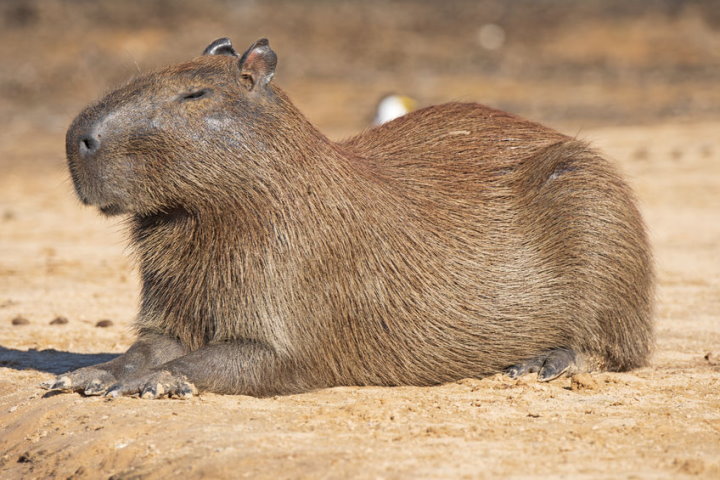
Their body is barrel-shaped and sturdy, built for life near water. Unlike most rodents, capybaras have a long, heavy body but very short necks. This gives them a solid, almost log-like appearance.
Head And Face Features
The capybara’s head is unique. It is short and blunt, with a broad nose and a wide, almost smiling mouth. Their eyes, nose, and ears are all set high on the head. This feature lets capybaras keep most of their body underwater while still seeing, hearing, and breathing above the surface.
Their nostrils are oval and can close when swimming. The eyes are small and dark, with a gentle, calm look. Short, round ears sit on top of the head, often twitching to listen for sounds.
One detail people often miss: capybaras have large, strong incisor teeth. These teeth are always growing, so capybaras must chew tough plants to keep them short.
Credit: www.savacations.com
Fur And Skin
Capybara fur is coarse and sparse. It feels rough, not soft, which surprises some people. The hair is straight and stands out from the body, helping water run off quickly after swimming. Because the fur is thin, you can often see the capybara’s skin beneath, especially when the animal is wet.
Their color is usually brownish or reddish-brown, with some yellow or gray tones mixed in. The belly and lower parts are often lighter. Young capybaras are usually a bit darker and softer than adults.
It’s easy to mistake capybaras for wild pigs or large beavers from a distance, but the texture and color of their fur, plus their face shape, set them apart.
Legs And Feet
Capybaras have short, sturdy legs built for both land and water. Their front legs have four toes, while the back legs have three toes. Each toe is tipped with a small hoof-like nail, which helps with grip on muddy riverbanks.
A special feature: capybaras have webbed feet. This webbing makes them strong swimmers. They use their feet to paddle easily through water, but the webbing also gives them stability when walking on soft ground.

Credit: en.wikipedia.org
Tail And Other Body Parts
If you look for a tail, you might be surprised—capybaras do not have a visible tail. Instead, they have a small, almost invisible nub. This gives their back end a rounded, smooth look.
Capybaras have a large, rounded rump and their bodies are slightly tapered toward the head. Their skin has sweat glands, but they mostly cool off by sitting in water.
Capybara Pups Vs. Adults
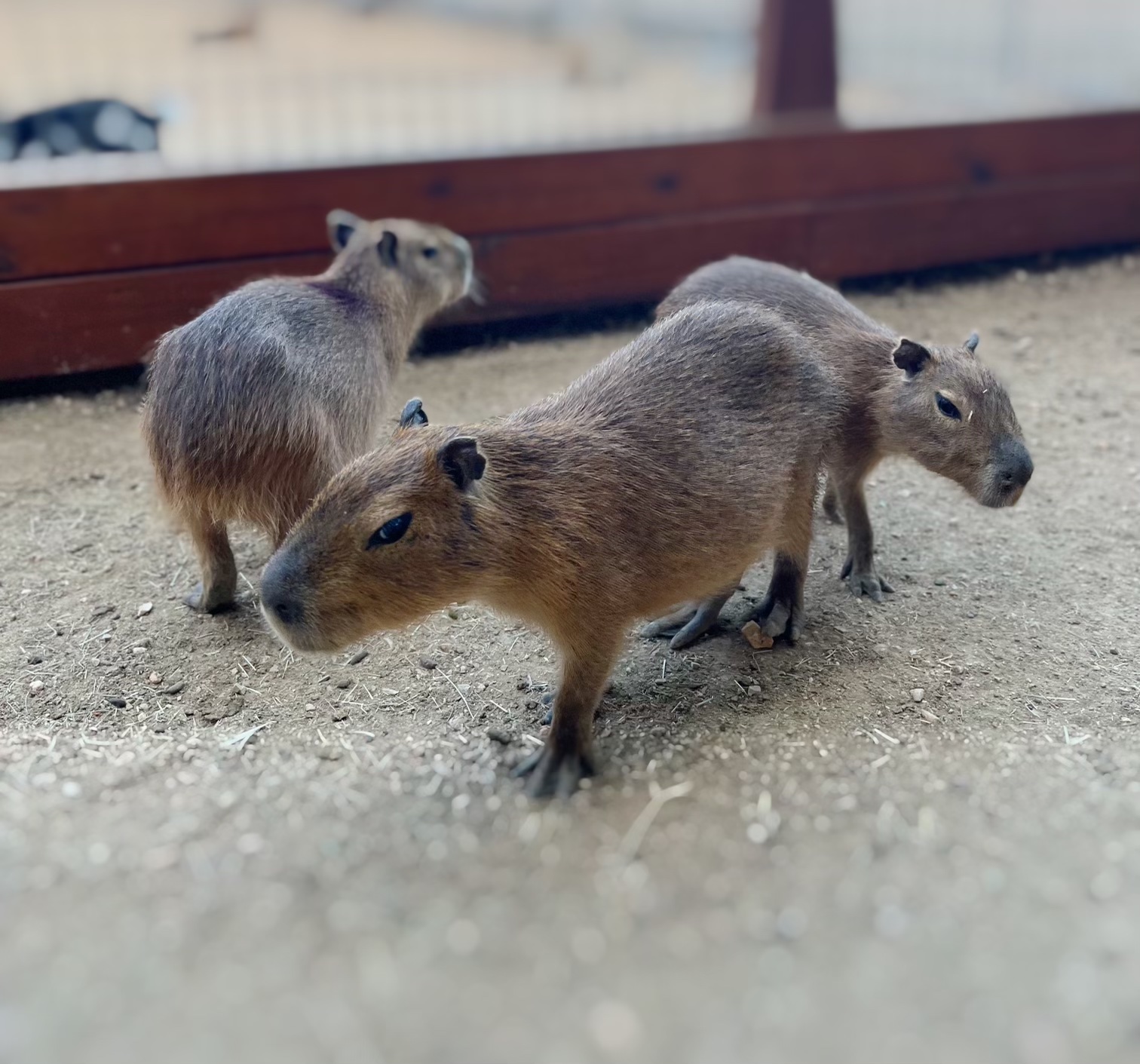
Young capybaras, called pups, look like small versions of adults. At birth, they weigh about 1.5 kg (3.3 lbs) and are covered in a darker, softer fur. Their legs are long for their body, and they can walk and swim just hours after birth. As they grow, their fur gets coarser and lighter, and their bodies quickly become the familiar barrel shape.
Capybara Vs. Other Animals
It’s easy to confuse capybaras with other large rodents or mammals if you don’t know the details. Here’s a quick comparison:
| Animal | Body Shape | Fur | Tail | Size |
|---|---|---|---|---|
| Capybara | Barrel-shaped | Coarse, sparse | Almost none | Large (up to 66 kg) |
| Beaver | Compact, flat tail | Dense, waterproof | Wide, flat | Medium (up to 32 kg) |
| Guinea Pig | Compact | Soft, dense | Short | Small (up to 1.2 kg) |
Capybaras In The Wild
In their natural homes across South America, capybaras are usually found near rivers, lakes, and swamps. Their look fits this lifestyle. Their webbed feet and high-set eyes and ears make them perfect for hiding in water.
A group of capybaras often sits closely together, making them look like a collection of brown logs by the riverbank. Their size and calm nature help them blend in with the muddy, grassy environment.
Non-obvious Features
People often miss two details:
- Capybaras have a special scent gland on their nose, called a morillo. Only males have this, and it looks like a small raised area. It’s used for marking territory.
- Their skin is sensitive to sunburn. That’s one reason why they spend so much time in water or mud—to protect their skin and stay cool.
Quick Capybara Facts
- Capybaras are herbivores and eat mostly grass.
- They can hold their breath underwater for up to five minutes.
- Their toes help them move on both land and in water.
- Capybaras often live in groups of 10–20 animals.
Capybara Appearance Comparison
To make it even clearer, here’s how a capybara’s most important features compare to common pets:
| Feature | Capybara | Dog | Cat |
|---|---|---|---|
| Fur | Coarse, sparse | Varies, usually dense | Soft, dense |
| Tail | Very short or none | Medium to long | Long, flexible |
| Body Shape | Barrel-shaped | Muscular, athletic | Slender, flexible |
| Feet | Webbed | Padded, no webbing | Padded, no webbing |
Why Capybaras Look This Way
Every feature of a capybara helps it survive. The webbed feet and body shape make swimming easy. The high-set eyes, nose, and ears help them stay alert for danger, even when mostly underwater. The rough fur and lack of tail mean less drag in water.
Most important, their size and calm face give capybaras a gentle look. In groups, their appearance helps them recognize each other and avoid predators.
Credit: www.awsfzoo.com
Frequently Asked Questions
What Color Are Capybaras?
Capybaras are usually brownish or reddish-brown. The belly and underside are lighter, and young capybaras are often darker.
Do Capybaras Have Tails?
No, capybaras do not have a visible tail. They have only a small, hidden nub at the back.
How Big Is A Capybara Compared To A Dog?
Most adult capybaras are larger than medium-sized dogs. They can weigh over 60 kg, while most dogs are lighter and shorter.
Why Do Capybaras Look Relaxed?
Their calm face and gentle eyes make them look relaxed. Capybaras are social and peaceful, which adds to this impression.
Can Capybaras Swim?
Yes, capybaras are excellent swimmers. Their webbed feet and body shape help them move quickly in water.
Capybaras are unique animals with a look that suits their way of life. Their size, shape, and other features help them survive in the wild and make them easy to recognize once you know what to look for. For more details about capybaras, visit the Wikipedia page on Capybaras. Whether you see one at a zoo or in the wild, you’ll never mistake a capybara for another animal again.


