

The Amazon rainforest is full of life, but it is also full of danger. The capybara, the world’s largest rodent, is a gentle, social animal that spends its days grazing and swimming in South America’s wetlands and rainforests. But life for a capybara is not easy. Many predators want to eat them. Knowing what eats a capybara in the rainforest helps us understand the food chain and how animals survive in this rich but risky world.
The Capybara: A Favorite Target
Capybaras are about the size of a medium dog, weighing 35–66 kg (77–146 lbs). They move slowly on land and often travel in groups. Their size and social habits make them easy to spot. In the rainforest, capybaras are prey for many powerful hunters.
Let’s look at the main predators that eat capybara.
Major Predators Of Capybara
1. Jaguars
Jaguars are the top predator in South American rainforests. Their strong jaws can crush the skulls of even large animals. Jaguars are skilled swimmers, so they can chase capybaras into water, where capybaras often hide. A jaguar’s stealth and power make it the most dangerous enemy for capybaras.
2. Anacondas
The green anaconda is the world’s heaviest snake. It lives in swamps and slow rivers, waiting for prey to come close. When a capybara enters the water, the anaconda may strike, wrapping its body around the capybara and squeezing until the animal cannot breathe. While anacondas cannot hunt every capybara, young or weak individuals are at risk.
3. Caimans
Caimans are close relatives of alligators. The black caiman can reach over 4 meters long. These reptiles often wait quietly in the water, then lunge at capybaras that come close to drink or swim. Caimans use their strong jaws to drag capybaras underwater.
4. Pumas
Also called cougars or mountain lions, pumas are skilled hunters that share the rainforest with jaguars. They can stalk capybaras in thick brush or attack at night. Pumas are quieter than jaguars, so capybaras must always be alert.
5. Ocelots
Ocelots are smaller wild cats, about twice the size of a house cat. While they rarely attack adult capybaras, they sometimes hunt young capybaras, especially if they stray from the group. Ocelots rely on surprise and speed.
6. Harpy Eagles
The harpy eagle is one of the world’s largest and strongest eagles. It lives high in the rainforest canopy. While harpy eagles mostly eat monkeys and sloths, they sometimes attack baby capybaras if they find them alone near the water’s edge.
7. Bush Dogs
Bush dogs are small, pack-hunting canines. They work together to chase and surround capybaras, focusing on the weak or young. Their teamwork makes them surprisingly effective, even against animals much larger than themselves.
8. Humans
In some rainforest areas, humans hunt capybaras for meat and skin. While this is less common than natural predation, it is still a threat, especially as rainforest habitats shrink.
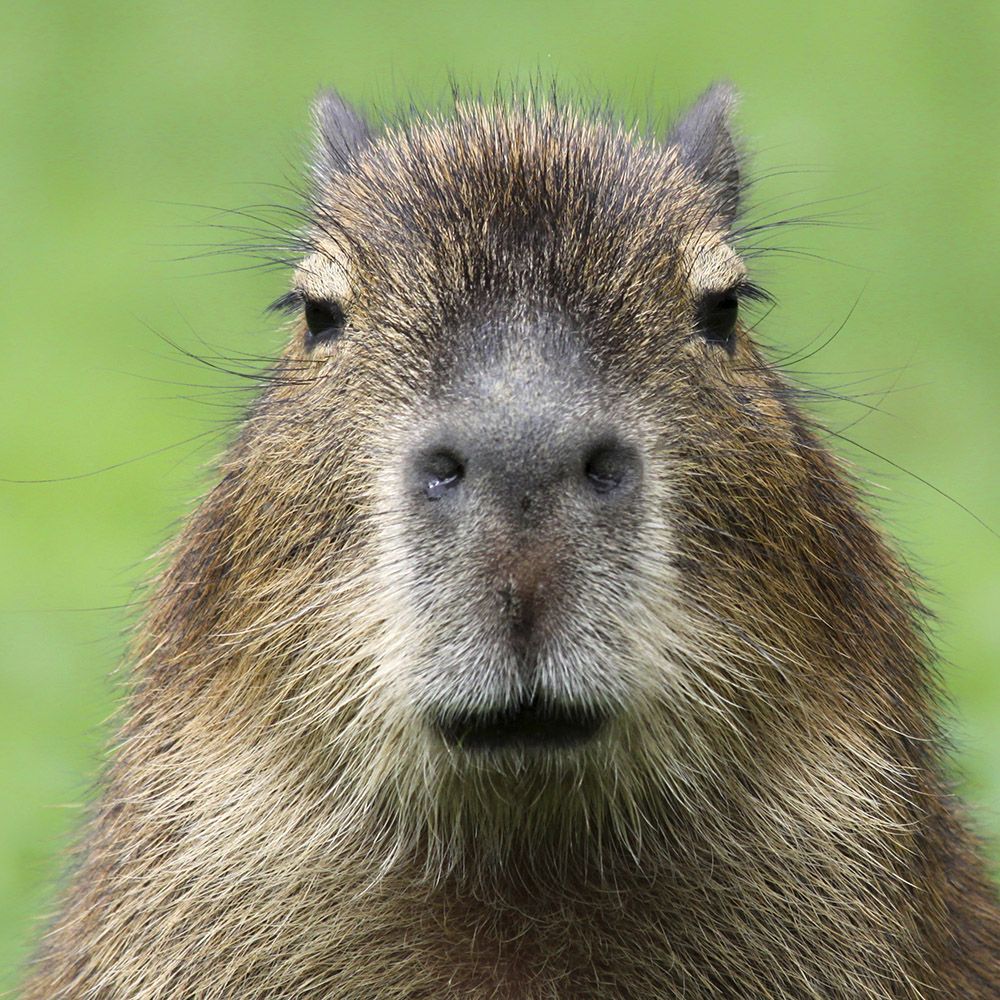
Credit: www.rainforest-alliance.org
When And How Capybaras Are Hunted
Predators attack capybaras at different times and places. Some hunt at night, while others prefer day. Water is both a safe place and a danger for capybaras. They can swim to escape, but it is also where anacondas and caimans wait.
Here is a quick comparison of capybara predators and their hunting methods:
| Predator | Hunting Time | Hunting Style |
|---|---|---|
| Jaguar | Day & Night | Ambush, powerful bite |
| Anaconda | Mostly Night | Ambush in water, constriction |
| Caiman | Night | Ambush in water, drowning |
| Puma | Night | Stalking, silent attack |
| Ocelot | Night | Surprise, speed |
Why Capybaras Are Easy Prey
Capybaras are not fast runners, and they cannot fight off big predators. Their main defenses are:
- Living in groups (more eyes to watch for danger)
- Running to water (most predators are less agile in water)
- Staying alert
But even these strategies sometimes fail. Young capybaras are especially at risk. More than 50% of capybara babies may be eaten before adulthood.

Credit: worldrainforests.com
The Importance Of Capybaras In The Food Chain
Capybaras play a key role in the rainforest ecosystem. By eating plants, they help keep vegetation balanced. As prey, they support many predators. If capybara numbers drop, predators may turn to other animals, changing the whole food web.
Here is a simple look at how capybaras fit into the rainforest food chain:
| Level | Examples |
|---|---|
| Plants | Grasses, aquatic plants |
| Primary Consumers | Capybaras, other herbivores |
| Secondary Consumers | Jaguars, caimans, anacondas |
Non-obvious Insights
Many people think capybaras are only hunted by big cats, but reptiles like caimans and anacondas are just as dangerous. Also, capybaras’ habit of living near water helps them escape land predators, but it increases their risk from water predators.
Another surprising fact is that capybaras sometimes alert other animals to danger. Their warning sounds can help turtles, birds, and even monkeys avoid predators.
How Capybaras Try To Stay Safe
Capybaras have developed clever ways to reduce risk:
- Group living: Capybaras live in groups of up to 40. This means more eyes and ears to spot danger.
- Alarm calls: When one capybara senses a predator, it whistles loudly. The group then runs for water.
- Hiding: Capybaras can hide underwater for up to five minutes, with only their noses out.
- Feeding at dawn and dusk: By eating during low-light hours, capybaras avoid some predators that hunt during the day or night.
Here is a comparison of how different predators respond to these capybara defenses:
| Predator | Effectiveness of Capybara Defense |
|---|---|
| Jaguar | Medium—can follow into water |
| Caiman | Low—waits in water |
| Puma | High—rarely hunts in water |
Frequently Asked Questions
What Is The Main Predator Of The Capybara?
The main predator is the jaguar. Jaguars are powerful, fast, and can hunt both on land and in water, making them the top threat to capybaras.
Do Humans Eat Capybaras?
Yes, in some areas, humans hunt capybaras for their meat and skin. This is less common than natural predation but still affects capybara populations.
Can Capybaras Defend Themselves From Predators?
Capybaras cannot fight large predators. Their main defenses are group living, alertness, and escaping to water. They also use alarm calls to warn each other.
Are Young Capybaras More At Risk?
Yes, baby capybaras are easier for predators to catch. Ocelots, birds of prey, and even large snakes focus on young or weak capybaras.
What Happens If Capybaras Disappear From The Rainforest?
If capybaras vanish, the food chain changes. Predators may eat other animals, and plant life could become overgrown, affecting the whole ecosystem. To learn more about capybaras and their role, check the Wikipedia page on Capybaras.
Capybaras are a central part of rainforest life. Their struggle with many predators shows how every animal, big or small, matters in the web of life. Watching who eats capybara helps us see the rainforest’s true balance and the challenges of survival in the wild.
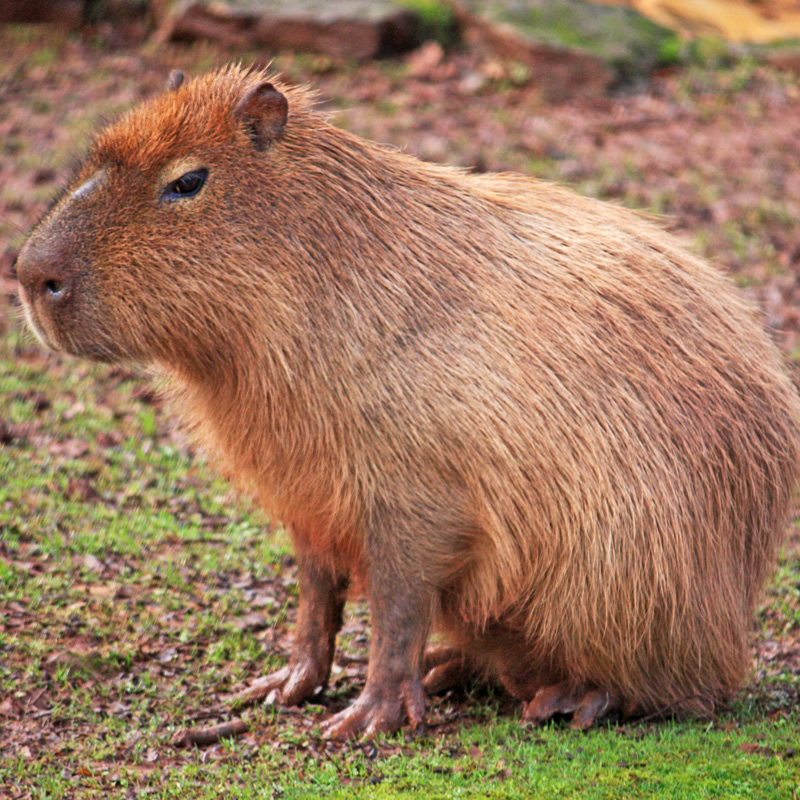
Credit: www.rainforestanimals.net


