

Capybaras are the world’s largest rodents, living mostly in the lush rainforests and wetlands of South America. These gentle animals are social, spending much of their time in groups near water. But life in the rainforest is not easy for capybaras.
They face many dangers from natural predators that see them as a source of food. Understanding what eats capybaras in the rainforest shows us how nature balances predators and prey.
The Main Predators Of Capybaras
Many animals in the rainforest hunt capybaras. Each predator uses unique tactics to catch these large rodents. Here are the main hunters:
1. Jaguars
The jaguar is the largest big cat in the Americas and one of the top predators in the rainforest. Jaguars have strong jaws and sharp teeth, perfect for killing large animals like capybaras. They hunt by stalking quietly and then jumping quickly to catch their prey. Capybaras often live near water, but jaguars are strong swimmers and follow them even into rivers.
Jaguars prefer hunting at night or early morning when capybaras are less alert. A single jaguar can eat a whole adult capybara. In areas with many jaguars, capybara populations often stay smaller because of heavy predation.
2. Anacondas
The green anaconda is the heaviest snake in the world and lives in South American rainforests and swamps. Anacondas hunt by waiting quietly in the water. When a capybara comes close to drink or swim, the snake strikes fast, wrapping its body around the capybara and squeezing until it cannot breathe.
Anacondas can eat animals much larger than their head due to flexible jaws. A full-grown green anaconda can swallow a young or even adult capybara whole. After eating a large meal, the snake may not hunt again for weeks.
3. Caimans
Caimans are reptiles related to alligators and crocodiles. The spectacled caiman and black caiman are common in capybara habitats. Caimans wait underwater, almost invisible. When a capybara comes to drink, a caiman can lunge out and grab it with powerful jaws.
Small and young capybaras are especially at risk, but larger caimans can hunt adults. In areas with many caimans, capybaras may be less likely to swim or enter the water during certain times.
4. Pumas
Pumas, also called cougars or mountain lions, live in many parts of South America. They are skilled hunters that can chase and ambush prey. Pumas do not swim as well as jaguars, but they hunt capybaras on land, especially when the rodents are away from water.
Pumas often hunt at night. They use their sharp eyesight and quiet steps to get close before pouncing. Capybaras are a good meal for a puma, providing plenty of meat.
5. Ocelots
The ocelot is a smaller wild cat found in the rainforest. Ocelots rarely attack adult capybaras but will hunt young ones. They use their small size and agility to sneak up on capybara pups, especially when the group is distracted.
6. Eagles And Large Birds
The harpy eagle is one of the world’s strongest birds of prey. It can carry animals as heavy as young capybaras. These eagles hunt from above, swooping down quickly to grab small or baby capybaras with their powerful talons.
Capybara mothers keep a close watch on their young because of bird attacks. Other birds, like the crested caracara, may also feed on capybara pups, especially weak or sick ones.
7. Humans
While not a natural predator, humans hunt capybaras for their meat and skin. In some parts of South America, capybara meat is a traditional food. Hunting can impact local populations, especially where other predators are also common.
Comparing Capybara Predators
To better understand the dangers capybaras face, here’s a quick look at how some of their main predators compare:
| Predator | Hunting Method | Main Prey Age | Habitat Overlap |
|---|---|---|---|
| Jaguar | Stalking, ambush | Adult & young | High |
| Anaconda | Ambush in water | Young & adult | High |
| Caiman | Underwater ambush | Mainly young | High |
| Puma | Stalking, ambush | Adult & young | Medium |
| Harpy Eagle | Aerial strike | Pups only | Low |
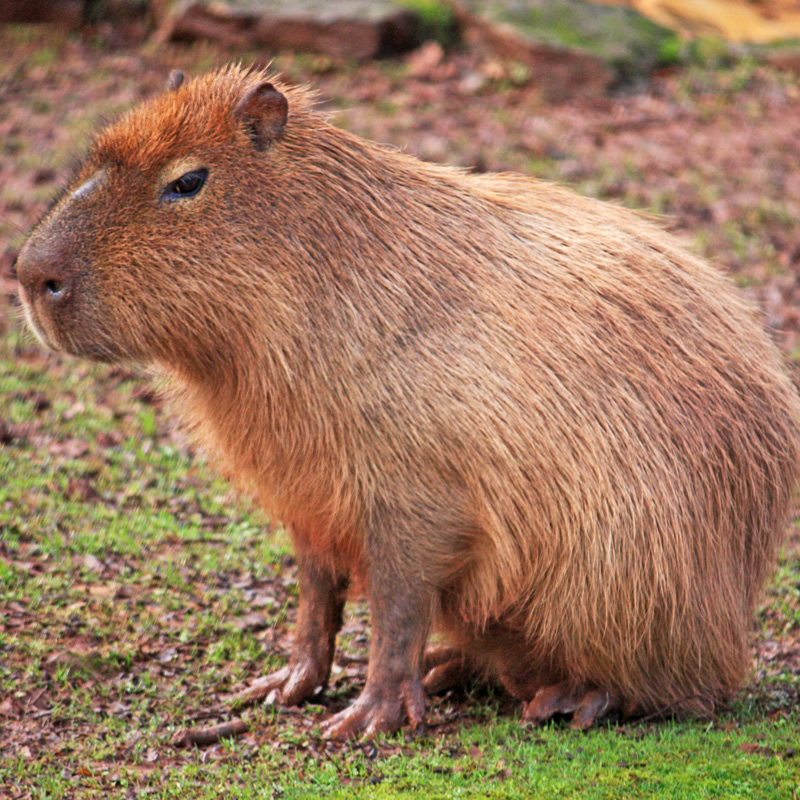
Credit: www.rainforestanimals.net
Capybara Defenses Against Predators
Capybaras are not helpless. They use several smart tactics to survive:
- Group living: Capybaras stay in groups of 10–20. Many eyes help spot danger.
- Communication: They make warning sounds if a threat is near.
- Water escape: Capybaras are excellent swimmers. They jump into water to escape land predators.
- Submersion: They can stay underwater for up to five minutes, hiding with only their noses above water.
In most attacks, predators target the young, weak, or sick members of the group. Adults use their size and group tactics to stay safer.
Predator And Prey: The Balance In The Rainforest
The relationship between capybaras and their predators keeps the rainforest ecosystem healthy. If capybara numbers grow too large, they could eat too many plants, harming the environment. Predators help control the population naturally.
Sometimes, when humans remove too many predators (like jaguars or caimans), capybara numbers rise quickly. This can lead to overgrazing and changes in the landscape. Rainforest health depends on this balance.
Here’s a simple view of how predator presence affects capybara populations:
| Predator Presence | Capybara Population Trend |
|---|---|
| Many predators | Stable or lower |
| Few predators | Rising quickly |
| No predators | Very high, risk of overgrazing |
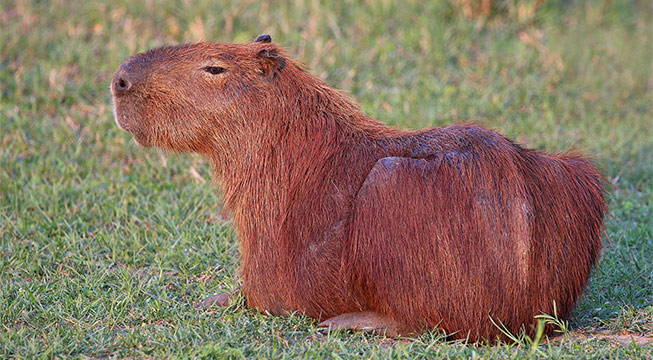
Credit: blog.pachamama.org
Two Insights Beginners Often Miss
Many people think only big animals like jaguars hunt capybaras. In fact, even small predators—like ocelots and large birds—pose real threats, especially to young capybaras.
Another detail: capybaras rely heavily on water as a shield. But some of their top predators, such as anacondas and caimans, are also water hunters. This means that water is not always a safe escape.
Frequently Asked Questions
What Is The Capybara’s Biggest Predator?
The jaguar is the main predator of adult capybaras in the rainforest. Jaguars can kill and eat even the largest capybaras.
Can Capybaras Escape From Anacondas?
Capybaras are fast swimmers and try to escape, but a surprise attack from an anaconda can be deadly, especially for young or weak animals.
Are Humans A Big Threat To Capybaras?
In some regions, humans hunt capybaras for meat and skin. While not as common as natural predators, hunting can still affect capybara populations.
Do Capybaras Have Natural Defenses?
Yes, capybaras use group living, water escapes, and warning sounds to defend against predators. Their swimming skills often help them survive attacks.
Where Can I Learn More About Capybara Predators?
For more detailed information, check out the Wikipedia page on capybaras.
Capybaras play a key role in the rainforest, both as plant eaters and as prey for many animals. By understanding what eats capybaras, we see how every part of the rainforest is connected—each animal, big or small, has an important job in nature’s cycle.

Credit: worldrainforests.com


