

The capybara is not just a fascinating animal—it’s also a biological puzzle for many people. You might have seen pictures of this gentle giant swimming in a river or relaxing with birds on its back. But have you ever wondered, “What family is the capybara in?
” This question goes beyond simple curiosity. It opens a window into the world of animal classification, evolution, and the unique place the capybara holds in nature. In this article, you’ll discover not only the family of the capybara but also how it connects to other animals, why its classification matters, and what makes it truly unique among rodents.
Capybara’s Place In The Animal Kingdom
The animal kingdom is like a giant family tree. Every creature, from the smallest insect to the largest mammal, fits somewhere on this tree. Scientists use classification to organize animals based on shared traits. The capybara, with its webbed feet and social nature, sits in an interesting spot.
Capybaras belong to the order Rodentia, which means they are rodents. This order includes animals like mice, squirrels, and beavers. But what about their family? The answer: Caviidae. This family includes several South American rodents, but capybaras are the largest.
Here’s a simple breakdown:
| Level | Name | Example |
|---|---|---|
| Order | Rodentia | Beaver, Mouse, Capybara |
| Family | Caviidae | Capybara, Guinea pig |
| Genus | Hydrochoerus | Capybara |
| Species | Hydrochoerus hydrochaeris | Capybara |
What Is The Caviidae Family?
The Caviidae family is made up of rodents that mostly live in South America. They are known for their short, stout bodies and strong legs. The most famous members are the capybara and the guinea pig.
Key characteristics of the Caviidae family include:
- Herbivorous diet (they eat only plants)
- Short tails (often so short you can’t see them)
- Social behavior (many live in groups)
This family is special because its members are adapted for different environments. Capybaras love water, while guinea pigs prefer grasslands. This variety shows how flexible the Caviidae family is.
Capybara Vs Other Caviids
It’s easy to think all rodents are similar, but capybaras are quite different from other caviids. Here’s a quick comparison:
| Animal | Size (Length) | Weight | Habitat |
|---|---|---|---|
| Capybara | 100–134 cm | 35–66 kg | Wetlands, rivers |
| Guinea Pig | 20–25 cm | 0.7–1.2 kg | Grasslands |
| Rock Cavy | 30–40 cm | 1–1.6 kg | Rocky areas |
Capybaras stand out because they are much larger and semi-aquatic. Their webbed feet help them swim, and their eyes and nose are on top of their head, perfect for peeking above water.
Why Classification Matters
Understanding the family of the capybara is more than a biology lesson. It helps scientists:
- Study evolution: Capybaras share traits with other caviids, giving clues about their past.
- Guide conservation: Knowing its family helps protect capybaras and their relatives.
- Understand ecosystems: Capybaras play a key role in their environment, and their family ties show how they interact with other animals.
Many beginners miss that classification also affects medical research. For example, because capybaras and guinea pigs are related, scientists can sometimes use information from one species to help the other.
Credit: www.reddit.com
Unique Features Of Capybaras
Most people know capybaras as the world’s largest rodent, but there’s more to their story. Here are some features that make them special among the Caviidae family:
- Semi-aquatic lifestyle: Capybaras can hold their breath underwater for up to five minutes.
- Highly social: They live in groups of 10–20, sometimes more.
- Teeth that never stop growing: Like other rodents, this helps them handle tough plants.
- Communication: Capybaras use sounds like purrs, whistles, and barks.
One insight that surprises many: Capybaras have sweat glands in the skin on their nose, which helps keep them cool in hot climates—a trait not seen in all caviids.
Evolutionary History And Relatives
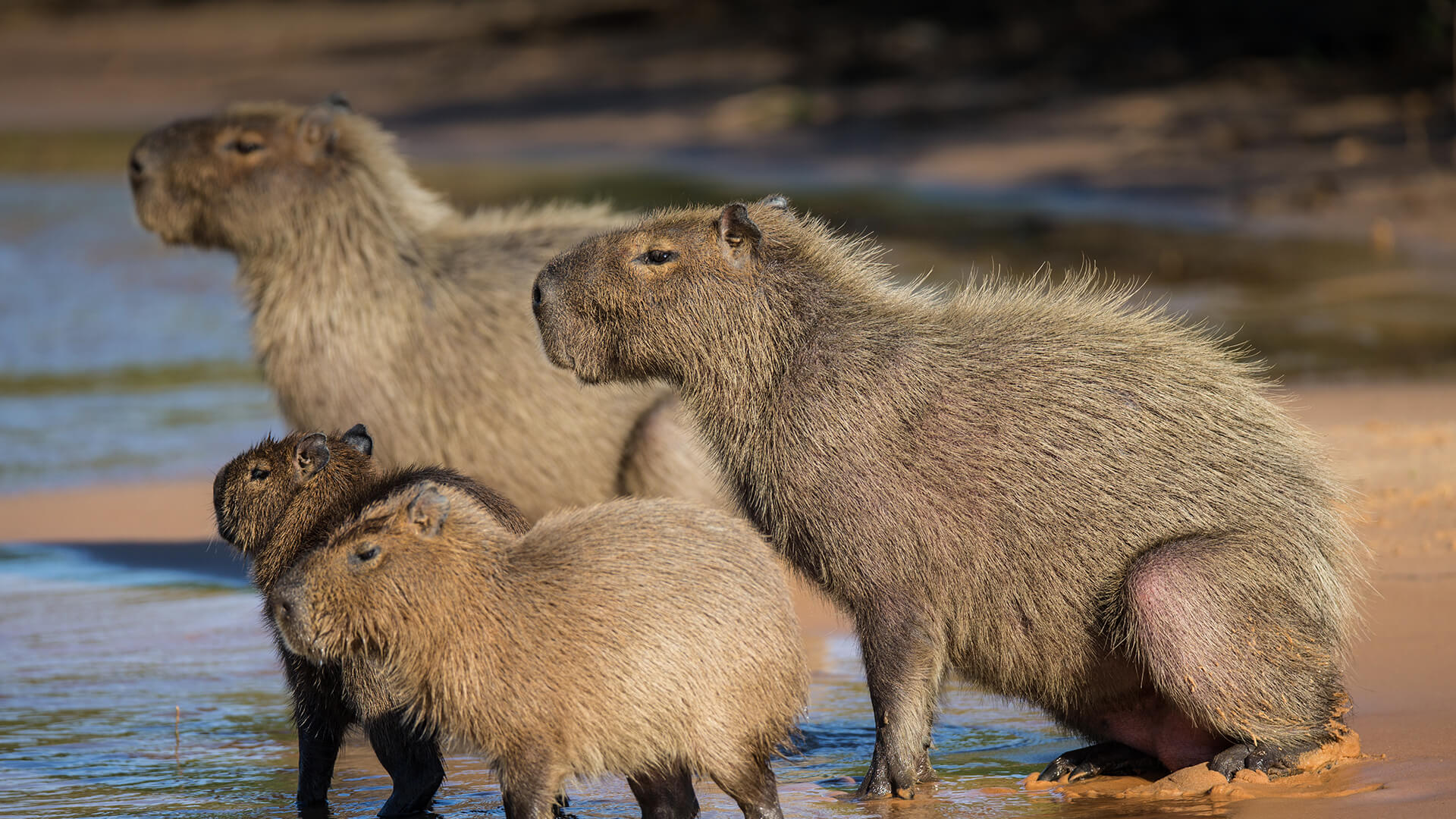
The family tree of the capybara stretches back millions of years. Fossil records show that early caviids were smaller and lived in South America. Over time, some, like the capybara, grew larger and adapted to watery habitats.
Today, the closest relatives of the capybara are:
- Lesser capybara (*Hydrochoerus isthmius*)
- Guinea pigs (*Cavia porcellus*)
- Rock cavies (*Kerodon spp. *)
Despite their size differences, DNA studies confirm their family relationship.
Credit: animals.sandiegozoo.org
Conservation And Human Impact
Capybaras are not endangered, but their habitats are at risk from farming and city growth. Protecting wetlands is important for capybaras and other caviids. In some countries, people raise capybaras for meat and leather, but hunting is regulated to avoid harming the population.
A common mistake is thinking all caviids are safe because the capybara is common. In reality, some relatives face bigger threats due to their smaller range or specialized habitat needs.
Capybara In Culture And Science
Capybaras are popular in South American culture. They appear in local stories and are even eaten in some regions. In science, they are used to study social behavior, digestion, and even water management, because their lifestyle is so different from other rodents.
You can learn more about the capybara’s unique traits and family on the official Wikipedia page.

Credit: www.britannica.com
Frequently Asked Questions
What Is The Scientific Name Of The Capybara?
The scientific name is *Hydrochoerus hydrochaeris*. This name reflects its love for water and its place in the rodent group.
Are Capybaras Related To Guinea Pigs?
Yes, both are in the Caviidae family. They share similar teeth and digestive systems, but capybaras are much larger and adapted to water.
How Big Can A Capybara Get?
Adult capybaras usually weigh between 35 and 66 kg and can grow over a meter long. Males and females are similar in size, though females are sometimes larger.
Where Do Capybaras Live?
Capybaras are found across South America, especially in countries like Brazil, Venezuela, and Argentina. They prefer places near rivers, lakes, and marshes.
Are Capybaras Endangered?
No, capybaras are not endangered. However, their wetland habitats are threatened in some areas. Conservation efforts help keep populations healthy.
Exploring the family of the capybara reveals more than just a name—it shows how connected life is on our planet. The capybara’s story is one of adaptation, survival, and surprising relationships. Next time you see a capybara, you’ll know it’s not only the world’s largest rodent, but also a proud member of the unique Caviidae family.


