

Capybaras are fascinating creatures known for their calm nature and social habits. As the world’s largest rodent, they capture the curiosity of animal lovers everywhere. But what do these gentle giants actually love to eat? Understanding a capybara’s favorite food can help us appreciate their lifestyle and survival needs. Many people think capybaras eat just grass, but their menu is much richer and more interesting. Let’s explore what makes their diet unique, how their eating habits change, and why their food choices matter.
What Do Capybaras Eat In The Wild?
Capybaras live across South America, mostly near rivers and wetlands. Their natural diet is shaped by what grows in these areas. Unlike some animals that hunt for food, capybaras are strict herbivores. This means they only eat plants.
Most of their meals include:
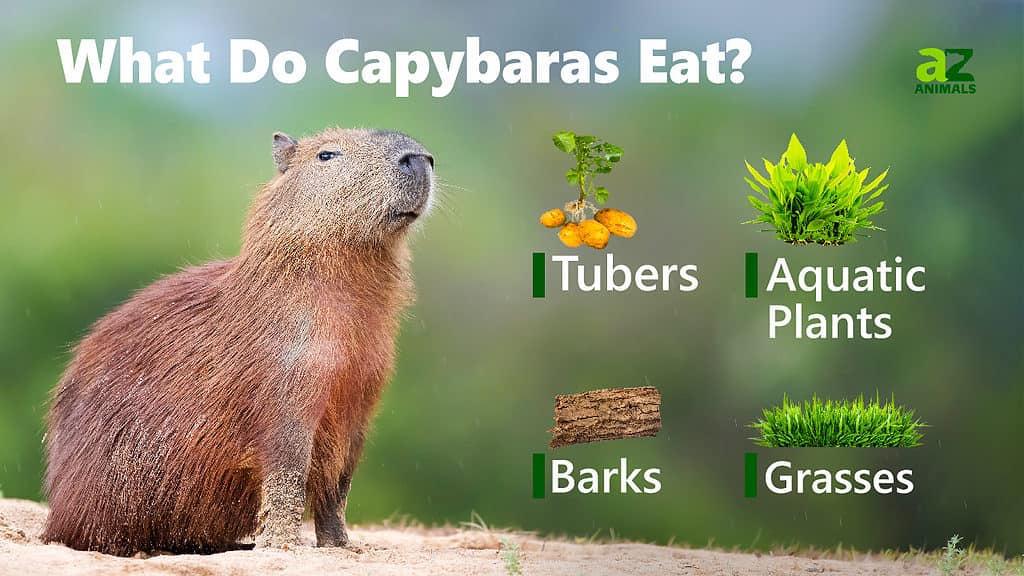
- Grasses: The main food for wild capybaras. They eat over 70 different types of grass.
- Aquatic plants: Capybaras love water, so they also eat water plants like reeds and water lilies.
- Fruit and bark: Occasionally, they chew on tree bark or pick up fallen fruit.
Here’s a quick comparison between their main food types:
| Food Type | Availability | Nutritional Value |
|---|---|---|
| Grasses | Abundant | High in fiber, low in calories |
| Aquatic plants | Seasonal | Rich in minerals, moderate fiber |
| Fruit & bark | Occasional | High in sugars, vitamins |
Capybaras spend about 4-5 hours each day eating. During dry seasons, when grass is less available, they switch to more aquatic plants or tree bark. This flexibility helps them survive tough times.
Capybara’s Favorite Food: What Tops Their List?
Although capybaras eat a wide range of plants, research and observations show that their favorite food is fresh, soft grasses. Some types stand out:
- Paspalum grass: This is often their top choice. It’s soft, easy to chew, and grows near water.
- Water hyacinth: Capybaras enjoy this aquatic plant, especially during the wet season.
- Sugar cane: If available, capybaras love the sweet taste, but it’s not always found in the wild.
- Corn stalks: In areas where farms are nearby, capybaras are seen munching on corn leaves and stalks.
But their absolute favorite, according to wildlife studies, is paspalum grass. It’s tasty, nutritious, and easy to digest. Capybaras can eat up to 3 kg of grass per day, which is about 10% of their body weight.
Here’s a simple table showing their preferences:
| Food | Preference | Reason |
|---|---|---|
| Paspalum grass | Highest | Soft, rich in nutrients |
| Water hyacinth | High | Moist, easy to chew |
| Sugar cane | Moderate | Sweet taste |
| Corn stalks | Low | Occasional treat |
Wild capybaras will always choose soft grasses over harder plants. This is because their teeth are designed for grinding, not for chewing tough items.
Credit: petcapybara.com
How Diet Changes In Captivity
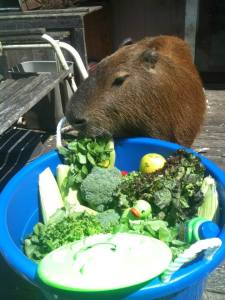
When capybaras live in zoos or as pets, their diet changes slightly. Caretakers try to copy their wild menu, but some adjustments are made for health and convenience.
Captive capybaras eat:
- Timothy hay: A safe substitute for wild grass.
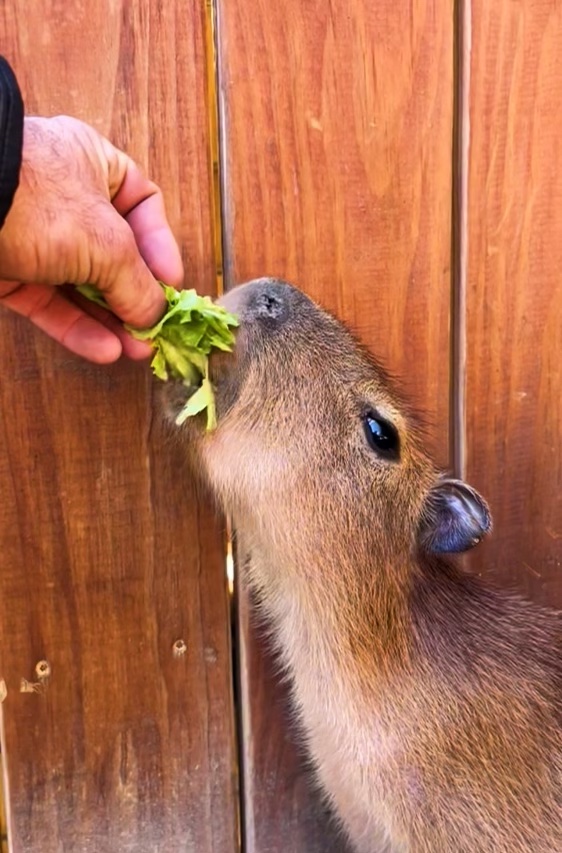
- Fresh vegetables: Lettuce, carrots, and sweet potatoes are common.
- Pellets: Special rodent pellets offer balanced nutrition.
- Occasional fruit: Apples or melons, but only as treats.
Here’s a comparison of wild vs. captive diets:
| Wild Capybara Diet | Captive Capybara Diet |
|---|---|
| Paspalum grass, aquatic plants | Timothy hay, vegetables, pellets |
| Tree bark, fruit (rare) | Fruit (controlled) |
One non-obvious insight: Capybaras need a diet low in sugar. Too much fruit can cause health issues. Many beginners think treats are harmless, but for capybaras, simple grass is best.
Why Capybaras Prefer Soft Grasses
Soft grasses are not just easier to eat—they are critical for capybara health. These grasses help keep capybara teeth from growing too long. Rodents have teeth that never stop growing, so eating fibrous food is necessary.
Another insight: The digestive system of capybaras is built for high-fiber diets. They have a special stomach that can break down tough plant fibers. This is why they avoid foods like seeds or nuts, which are hard to digest.
Capybaras also practice coprophagy. This means they eat their own feces sometimes. It sounds strange, but it helps them get more nutrients from their food. It’s common in rodents, and capybaras do this early in the morning.
Credit: a-z-animals.com
Common Mistakes When Feeding Capybaras
Many people want to spoil their capybaras with snacks. But this can cause problems. Here are some mistakes to avoid:
- Too much fruit: High sugar can lead to obesity.
- Giving bread or processed food: Capybaras cannot digest these well.
- Feeding only vegetables: Capybaras need more fiber than most vegetables offer.
- Ignoring water plants: Captive capybaras miss out if they don’t get aquatic plants.
Always focus on fiber-rich grasses. If you’re unsure, timothy hay is safe and recommended by experts.
Fun Facts About Capybara Eating Habits
- Capybaras eat in groups. It’s common to see them munching together.
- They can eat underwater. Capybaras will dip their heads and grab plants below the surface.
- Young capybaras start eating grass at just one week old.
- In the dry season, capybaras eat more bark to survive.
If you want more detailed information, you can check this Wikipedia article.
Credit: www.awsfzoo.com
Frequently Asked Questions
What Is A Capybara’s Favorite Food?
Paspalum grass is their top favorite. Capybaras choose it for its softness and taste. In captivity, timothy hay is often used as a substitute.
Can Capybaras Eat Fruit?
Yes, but only in small amounts. Too much fruit can cause health problems. Fruit should be an occasional treat, not a regular food.
How Much Food Does A Capybara Need Daily?
An adult capybara eats about 2-3 kg of grass each day. This is around 10% of its body weight. They need lots of fiber to stay healthy.
Are There Foods Capybaras Should Avoid?
Capybaras should not eat processed foods, bread, or high-sugar items. These can upset their stomach and lead to illness.
Do Capybaras Eat Their Own Feces?
Yes, sometimes. This is called coprophagy. It helps them absorb more nutrients from their food. It is normal for rodents like capybaras.
Capybaras are creatures of habit and nature. Their favorite food is simple but important for their health and happiness. Whether in the wild or in captivity, providing the right food is key. If you ever meet a capybara, remember: soft grass is the way to their heart.


