

Capybaras are the world’s largest rodents, and they have a gentle, social nature that captures the hearts of animal lovers everywhere. If you’re curious about these fascinating creatures, you might wonder: what is a female capybara called? The answer is simple, but there’s so much more to know about the lives and names of capybaras. Let’s dive into the world of these unique animals and explore what makes the female capybara special.
The Name Of A Female Capybara
A female capybara does not have a unique name that separates her from the rest of her species—she is simply called a female capybara or sometimes a sow. This term is similar to how female pigs are named, and it is used by zoologists and animal care workers. The use of “sow” follows a tradition in English where female rodents or large mammals often share the same term.
Male capybaras, on the other hand, are known as boars, and the young are called pups. These naming conventions help people in wildlife management and breeding programs communicate more clearly.
Capybara Social Structure
Capybaras are highly social animals. They live in groups that can range from a few individuals to as many as 100 during the dry season when water is scarce. Usually, a typical group contains:
- 1 dominant male (boar)
- 2–4 adult females (sows)
- Several young (pups)
- Subordinate males and other females
This structure means that female capybaras play a key role in group life. They help care for the young and often form close bonds with each other.
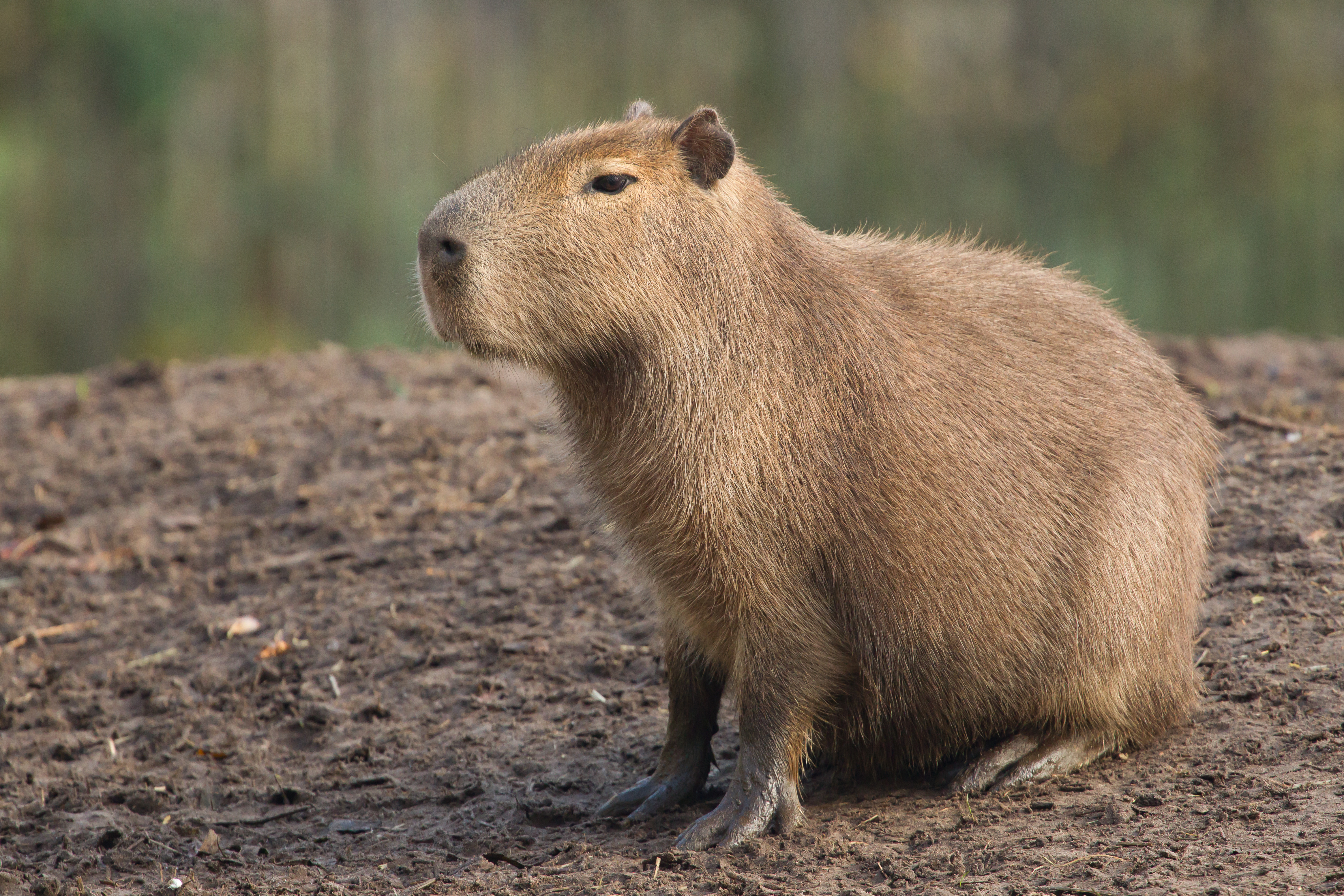
Credit: www.wusf.org
Physical Differences: Male Vs. Female Capybara
While male and female capybaras look similar, a few differences can help tell them apart. Here is a comparison to make it clear:
| Feature | Female Capybara (Sow) | Male Capybara (Boar) |
|---|---|---|
| Body Size | Usually larger, up to 60 kg | Often slightly smaller, 35-60 kg |
| Muzzle Gland | Absent | Present (large bump on nose) |
| Behavior | Focus on caring for pups | More territorial |
One thing many people miss is that female capybaras can sometimes be heavier than males, even though the male might be the group leader. Also, only males have a large scent gland on their noses.
The Role Of The Female Capybara
The sow is vital for her group’s survival. Here’s what makes her role so important:
- Motherhood: Female capybaras give birth to litters of 4–5 pups, though up to 8 is possible.
- Nursing: All mothers in a group may nurse any pup, not just their own. This is called communal nursing.
- Protection: Sows watch for predators and alert the group with warning barks.
- Teaching: Young capybaras learn what to eat and how to behave by following the older females.
An insight beginners often miss is the importance of communal care. If one sow cannot produce enough milk, others will step in, which increases pup survival.
Capybara Reproduction And Life Cycle
Understanding the life of a female capybara is not complete without looking at her life cycle:
| Stage | Age/Duration | Details |
|---|---|---|
| Sexual Maturity | 12–18 months | Ready to reproduce |
| Gestation | 150 days | Pregnancy length |
| Weaning | 3–4 months | Pups start eating grass |
| Lifespan | 8–10 years (wild) | Can live longer in captivity |
A common mistake is thinking all capybaras breed the same. In fact, female capybaras can delay pregnancy if conditions are tough, such as drought or food shortage.
Female Capybara In The Wild Vs. Captivity
The life of a female capybara can be quite different in the wild compared to zoos or farms.
- Wild: Sows face threats from jaguars, caimans, and anacondas. They rely on their group for safety and must move often to find food and water.
- Captivity: Sows are safer but need careful management. If kept alone, they can become stressed because capybaras need social contact.
One practical tip: If you plan to keep capybaras, always have at least two—never keep a female capybara alone.
Unique Behaviors Of Female Capybaras
Sows display behaviors that help their group thrive:
- Synchronized swimming: Female capybaras often lead their group into water to escape danger.
- Grooming: They groom each other and the pups, which builds social bonds.
- Communication: They use purrs, whistles, and barks to keep the group together.
A detail beginners miss is that female capybaras will sometimes “babysit” all the group’s pups, giving other mothers a rest.
Capybara Naming In Different Languages
In English, we use sow for a female capybara, but in other languages, the term may change. For example:
| Language | Female Capybara Name |
|---|---|
| Portuguese | Fêmea de capivara |
| Spanish | Capibara hembra |
| Japanese | メスのカピバラ (mesu no kapibara) |
The use of gendered animal terms is more common in English-speaking science communities.

Credit: www.wlrn.org
Why Knowing The Name Matters
Understanding the correct name for a female capybara is more than just trivia. It helps:
- Animal keepers provide better care
- Scientists report research clearly
- Educators teach about wildlife correctly
Using the right term is also a sign of respect for these fascinating animals.
Frequently Asked Questions
What Is A Female Capybara Called?
A female capybara is called a sow. This term is used in animal science and by people who care for capybaras.
What Do You Call A Baby Capybara?
A baby capybara is called a pup. Pups are born in litters and are active soon after birth.
Are Female Capybaras Bigger Than Males?
Female capybaras are often similar in size to males, but some sows can be slightly larger and heavier, especially in well-fed groups.
How Many Babies Can A Female Capybara Have?
A female capybara typically has 4–5 pups per litter, but this number can range from 2 up to 8.
Do Female Capybaras Make Good Pets?
Capybaras are social and need company. Female capybaras can be good pets if kept in groups, have plenty of water, and are given proper care. Learn more at Wikipedia.
The world of the female capybara is full of interesting details. Knowing what she’s called, how she lives, and her importance to the group gives us a deeper appreciation for these gentle giants. Whether you are a student, a pet owner, or just curious, understanding the sow’s role helps you see why capybaras are so beloved around the globe.
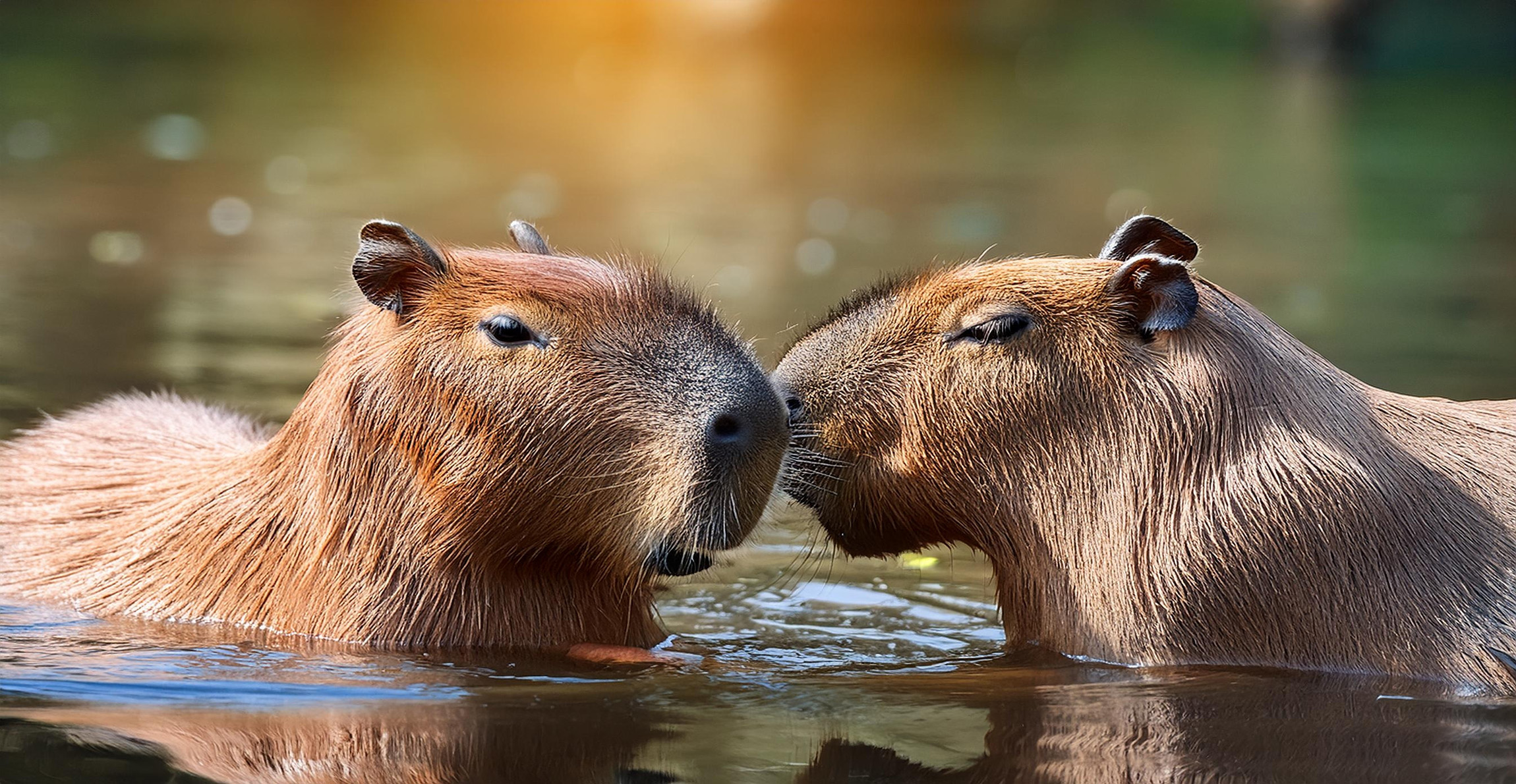
Credit: www.nhm.ac.uk


