

What Is Capybara In Spanish
If you have ever seen a giant, friendly rodent in a wildlife video, you may have wondered what it is called in Spanish. This animal, popular on social media for its calm nature and funny expressions, is known around the world as the capybara. But what is its real name in Spanish? Why is it so special in Latin American culture? Let’s explore everything you need to know about the capybara, its Spanish names, where it lives, and why it’s a fascinating animal for both nature lovers and Spanish learners.
Capybara: The Animal Behind The Name
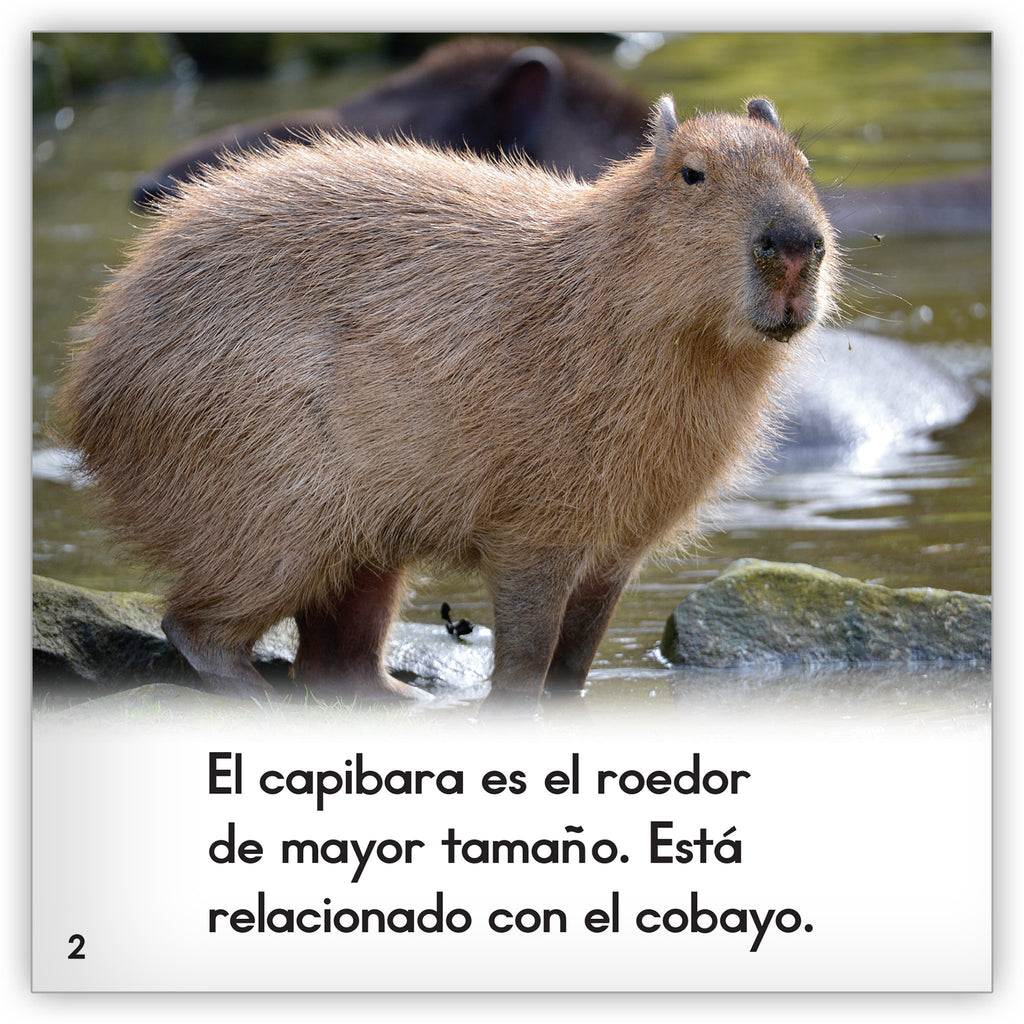
The capybara is the largest rodent on Earth. Adults can weigh between 35 to 66 kg (77 to 146 lbs) and can be up to 1.3 meters (4.3 feet) long. They have short, brown fur, small ears, and a rounded nose. Capybaras are semi-aquatic, which means they spend a lot of time in water. You can often see them swimming in rivers, lakes, or marshes across South America.
Capybaras are social animals. They usually live in groups of 10–20, but sometimes over 100 capybaras gather together during the dry season. This group lifestyle helps protect them from predators like jaguars, anacondas, and caimans.
What Is Capybara In Spanish?
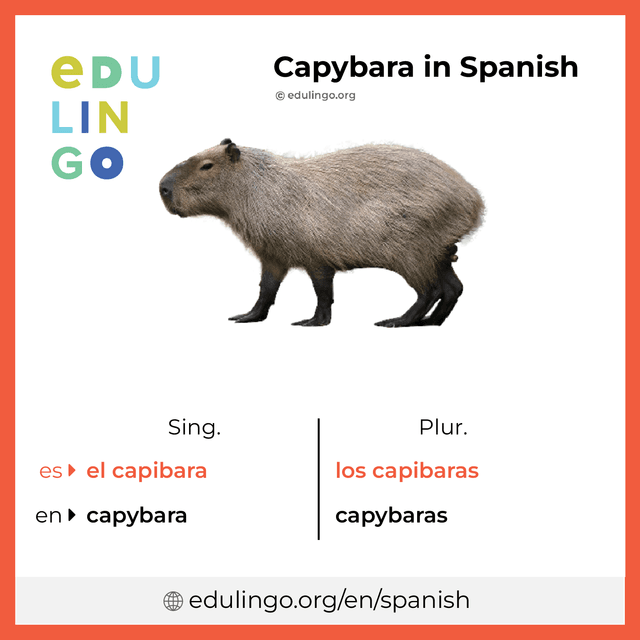
In Spanish, the capybara is most often called carpincho or capibara. However, its name changes depending on the country:
| Country | Common Spanish Name |
|---|---|
| Argentina | Carpincho |
| Venezuela | Chigüire |
| Colombia | Chigüiro |
| Peru | Ronsoco |
| Brazil (Portuguese) | Capivara |
| General (Latin America) | Capibara |
The word carpincho is common in Argentina and Uruguay, while chigüire or chigüiro is popular in Venezuela and Colombia. In Peru, people often say ronsoco. In scientific contexts, capibara is usually understood across Spanish-speaking countries.
Origin And Meaning Of The Word “capybara”
The name capybara comes from the Tupi language (an indigenous language from Brazil). It means “grass eater,” which matches its diet of grass, aquatic plants, and fruit. In Spanish-speaking countries, the different names often come from local indigenous languages. For example, chigüire and chigüiro have roots in local dialects.
Knowing the local name can help you understand wildlife documentaries, travel guides, or even restaurant menus if you visit South America. In some regions, capybara meat is considered a delicacy, especially during Lent in Venezuela.
Where Do Capybaras Live?
Capybaras are native to South America. Their habitat stretches from Panama in Central America down to northern Argentina. They love wetlands, flooded savannas, and forested riversides. This makes them very common in the Amazon basin.
Here’s a quick comparison of capybara population by region:
| Region | Estimated Capybara Population |
|---|---|
| Brazil | Over 1 million |
| Venezuela | 350,000+ |
| Argentina | 200,000+ |
| Colombia | 100,000+ |
Most capybaras live near water, and they are excellent swimmers. They can even sleep underwater, with only their noses above the surface.
Credit: www.edulingo.org
Capybaras In Latin American Culture
Capybaras are not only important in the ecosystem; they also have cultural significance. In Venezuela, the chigüire appears in children’s stories, cartoons, and even memes. During Lent, Venezuelan Catholics are allowed to eat capybara meat because, historically, the animal was declared “fish” by local church authorities. This is a unique example of how local culture and religion can influence language and food habits.
In Argentina and Uruguay, the carpincho appears in folklore and traditional tales. The animal is admired for its peaceful nature and is sometimes used as a symbol of calmness and community.
Fun Facts About Capybaras
Capybaras have some surprising traits that many people don’t know:
- Teeth That Never Stop Growing: Their front teeth keep growing, so they need to chew on tough plants to keep them short.
- Webbed Feet: They have slightly webbed feet, which make them fast swimmers.
- Communication: Capybaras use a variety of sounds—barks, whistles, and purrs—to talk with their group.
- Pet Capybaras: In some countries, people keep capybaras as pets, but this is not common due to their large size and special needs.
- Sunbathing: They love to sunbathe in groups after swimming.
These details make the capybara a unique animal and an interesting topic for Spanish learners.
Credit: www.hameraypublishing.com
How To Pronounce Capybara In Spanish
The pronunciation of capybara in Spanish changes with the local name. Here’s a simple guide:
- Carpincho: Kar-PEEN-choh
- Chigüire: Chee-GWEE-reh
- Chigüiro: Chee-GWEE-roh
- Capibara: Kah-pee-BAH-rah
Spanish pronunciation is consistent, so once you learn the rules, these words are easy to say.
Capybara Vs. Other Large Rodents
Some people confuse capybaras with other big rodents. Here is a comparison of capybaras and similar animals:
| Animal | Size (Adult) | Habitat |
|---|---|---|
| Capybara | 35–66 kg | Wetlands, rivers |
| Beaver | 16–32 kg | Lakes, streams (North America, Europe) |
| Nutria (Coypu) | 5–9 kg | Rivers, marshes (South America, now worldwide) |
| Guinea Pig | 1–1.5 kg | Grasslands (Andes) |
Capybaras are much larger and more social than these rodents. This makes them easy to recognize once you know what to look for.
Why Learn Capybara’s Spanish Names?
Knowing the Spanish names for capybara can help you:
- Understand local culture while traveling in South America.
- Read wildlife books or watch documentaries in Spanish.
- Communicate with Spanish speakers about animals and nature.
- Avoid confusion with similar animals in conversations.
Many beginners miss the fact that animal names change widely between Spanish-speaking countries. Learning the local term is a simple way to connect with people and local traditions.
If you want more details about the capybara’s biology and habitat, check the Wikipedia page for scientific facts and references.
Frequently Asked Questions
What Do Capybaras Eat?
Capybaras eat mainly grass, aquatic plants, and sometimes fruit or tree bark. They need a lot of fiber to help with their digestion.
Are Capybaras Dangerous To Humans?
No, capybaras are known for their gentle nature. They rarely bite or attack, but they need space and respect, especially in the wild.
Can You Keep A Capybara As A Pet?
It is possible in some countries, but capybaras need a large area, access to water, and a social group. They are not easy pets for most people.
Why Do Capybaras Have So Many Names In Spanish?
The different names come from local languages and cultures in South America. Each country has its own word based on history and tradition.
Where Can I See Capybaras In The Wild?
Capybaras live near rivers and wetlands in South America. National parks in Brazil, Venezuela, and Argentina are good places to spot them in nature.
Capybaras are not just interesting animals—they are a window into Spanish language, culture, and nature. Next time you see one, you’ll know exactly what to call it, wherever you are in the Spanish-speaking world.

Credit: nypl.overdrive.com


