

The capybara is the world’s largest rodent, famous for its calm nature and social lifestyle. These gentle animals live near rivers and lakes in South America. But despite their size and laid-back attitude, capybaras are not at the top of the food chain. In fact, many predators see them as a perfect meal. Understanding who hunts capybaras—and how capybaras try to stay safe—gives us a clearer picture of life in the wild.
Main Predators Of Capybara
Capybaras have several enemies in their natural habitat. Some predators target young capybaras, while others are strong enough to hunt adults. Here are the main animals that prey on capybaras:
1. Jaguars
The jaguar is one of the most powerful hunters in South America. With strong jaws and silent movement, jaguars can quickly surprise a group of capybaras. They prefer to hunt at night or early morning. Jaguars can even swim, so capybaras are not always safe in water. In areas with many jaguars, capybaras are extra alert and often stay in groups for protection.
2. Caimans
Caimans are relatives of crocodiles and live in the same rivers as capybaras. The yacaré caiman and the black caiman are common predators. They wait quietly in the water until a capybara comes close, then attack with a fast snap. Young capybaras are especially at risk, but even adults can be caught if they are not careful.
3. Anacondas
The green anaconda is one of the largest snakes in the world. It lives in swamps and slow-moving rivers, exactly where capybaras like to swim. Anacondas kill by wrapping around their prey and squeezing until the animal cannot breathe. Capybaras are a favorite meal, especially when they are in the water.
4. Ocelots
Ocelots are smaller than jaguars but are skilled hunters. They usually go after baby capybaras or sick adults. These cats hunt at night and use their sharp eyesight to spot movement in the grass.
5. Eagles
Certain large birds, such as the harpy eagle, can carry off young capybaras. These eagles are among the world’s most powerful birds of prey. They attack quickly from above, making it hard for young or weak capybaras to escape.
6. Humans
People are also predators of capybaras. In some countries, humans hunt them for their meat and skin. Capybara meat is popular in Venezuela and parts of Brazil, especially during religious holidays when other meats are avoided.
How Capybaras Protect Themselves
Despite so many threats, capybaras have clever ways to stay alive. They use both group behavior and their environment to avoid predators.
- Stay in groups: Capybaras live in herds of 10–20, sometimes even up to 100. More eyes mean a better chance to spot danger.
- Quick escape: They are excellent swimmers. If a predator appears, capybaras dive underwater and can hold their breath for up to five minutes.
- Alert calls: Capybaras make loud warning sounds if they see a threat, giving others time to escape.
- Blend in: Their brown fur helps them hide in tall grass or muddy water.
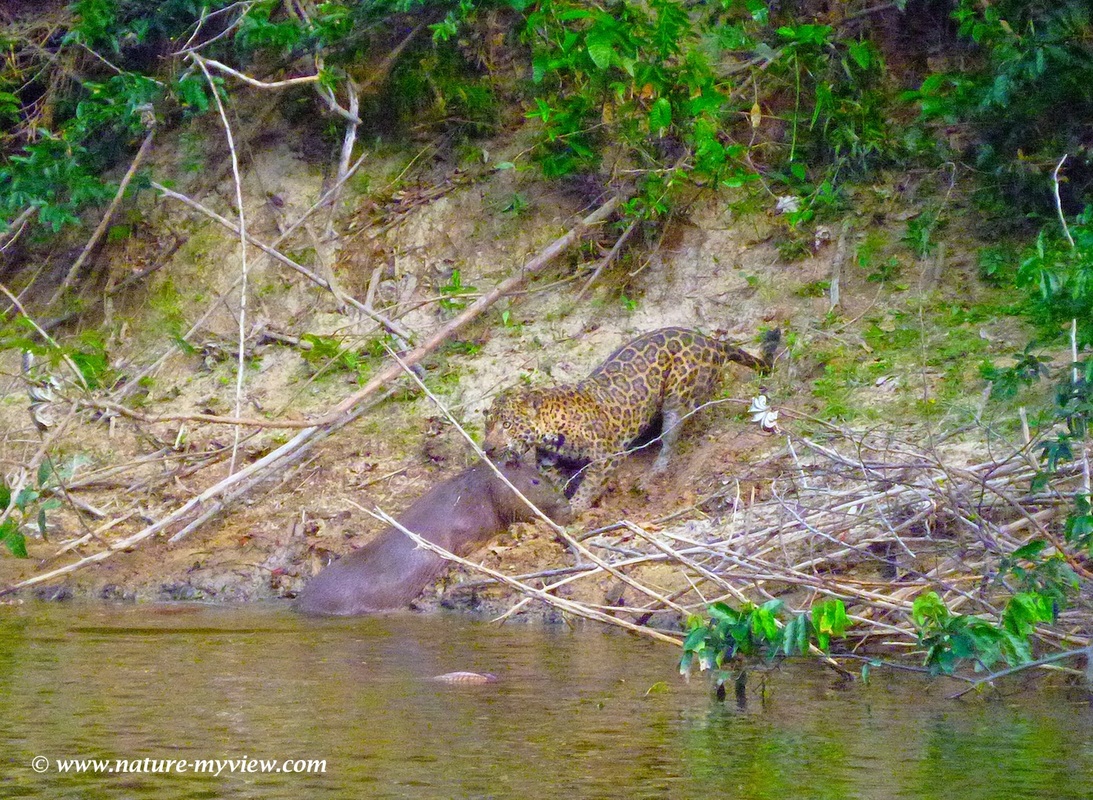
Credit: www.nature-myview.com
Capybara Predators Compared
To better understand their risk, compare how dangerous each predator is for the capybara:
| Predator | Hunts Adult Capybara? | Hunts Young Capybara? | Hunting Environment |
|---|---|---|---|
| Jaguar | Yes | Yes | Land/Water Edge |
| Caiman | Yes | Yes | Water |
| Anaconda | Yes | Yes | Water/Swamp |
| Ocelot | Rarely | Yes | Land/Night |
| Harpy Eagle | No | Yes | Sky/Forest Edge |
| Human | Yes | Yes | Land/Water |
Regional Differences In Predators
The capybara’s enemies depend on where they live. For example, in the Pantanal wetlands, jaguars and caimans are common, while in the Amazon, anacondas are a bigger problem. In areas near cities, dogs and humans are the main threat.
| Region | Top Predator | Other Threats |
|---|---|---|
| Pantanal | Jaguar | Caiman, Anaconda |
| Amazon | Anaconda | Caiman, Ocelot |
| Near Cities | Humans | Dogs |

Credit: www.reddit.com
How Capybaras Help The Food Chain
Capybaras are important for their ecosystem. By being a food source for big predators, they help keep the balance of nature. For example, when there are plenty of capybaras, jaguars and caimans have enough to eat, so they do not hunt other animals as often.
Also, when capybara numbers drop, it can hurt the populations of animals that depend on them for food.
Another role capybaras play is spreading seeds. When they eat plants and fruits, seeds pass through their digestive system and grow in new places. This helps forests and wetlands stay healthy.
Surprising Insights About Capybara Predators
Many people do not know that capybaras are hunted by such a wide range of predators. Even though they are large, they are still vulnerable, especially when young. Also, capybaras’ strong social bonds are not just for fun—they are a key reason why herds survive.
Another non-obvious fact is that capybaras are sometimes hunted by domestic dogs, especially in areas where humans live close to wetlands.
A common mistake people make is thinking that capybaras are safe in the water. While they are excellent swimmers, many predators such as caimans and anacondas are also masters of the water. Water is a place of safety only when the capybara is alert and fast.
Credit: www.reddit.com
Frequently Asked Questions
What Is The Main Predator Of A Capybara?
The jaguar is considered the main predator in many parts of South America. However, the specific top predator depends on the location.
Do Capybaras Have Any Defense Against Predators?
Yes, capybaras use group living, swimming skills, and warning calls to protect themselves. They can stay underwater to escape danger.
Are Humans A Serious Threat To Capybaras?
In some regions, yes. Humans hunt capybaras for meat and skin, especially during certain seasons. Read more on Wikipedia.
Do Alligators Hunt Capybaras?
In South America, caimans—not true alligators—are the main crocodile relatives that hunt capybaras.
Are Capybara Babies More Vulnerable Than Adults?
Yes. Young capybaras are often targeted by predators like ocelots, eagles, and snakes because they are smaller and less able to escape.
Capybaras may look relaxed, but their lives are always under threat from many hunters. By working together and using their natural skills, these gentle giants manage to survive in one of the world’s toughest environments. Understanding their predators helps us appreciate just how remarkable capybaras truly are.


