

Capybaras are not only the world’s largest rodents—they are also fascinating creatures that draw curiosity for their unique size and gentle nature. Whether you have seen them relaxing in a zoo or swimming in a viral video, you may have wondered: What is the size of a capybara? This article explores every aspect of the capybara’s size, with comparisons, statistics, and insights for anyone interested in these remarkable animals.
Capybara Size: The Basics
Adult capybaras are impressively large for rodents. On average, a mature capybara measures 105 to 135 centimeters (about 3.4 to 4.4 feet) from nose to tail. Their height at the shoulder is usually 50 to 62 centimeters (about 20 to 24 inches).
The typical adult capybara weighs 35 to 66 kilograms (77 to 146 pounds). Males and females are similar in length, but females are often heavier and bulkier.
It’s important to note that capybara size can vary based on their environment, diet, and genetics. Capybaras living in the wild may be slightly smaller than those in captivity, where food is plentiful.
Capybara Growth: From Birth To Adult
Capybara babies, called pups, are much smaller at birth. Newborns weigh just 1.5 to 2 kilograms (about 3.3 to 4.4 pounds) and measure around 30 centimeters (12 inches) long.
Capybaras grow quickly, reaching about half their adult size in just a few months. By the time they are 18 months old, most capybaras are fully grown.
Growth Stages
- Birth: 1.5–2 kg, 30 cm long
- 3 months: 10–15 kg, 60–70 cm long
- 12 months: 25–40 kg, 85–100 cm long
- 18–24 months: 35–66 kg, 105–135 cm long (adult)
Growth can be affected by nutrition, habitat, and even how much time they spend swimming or grazing.
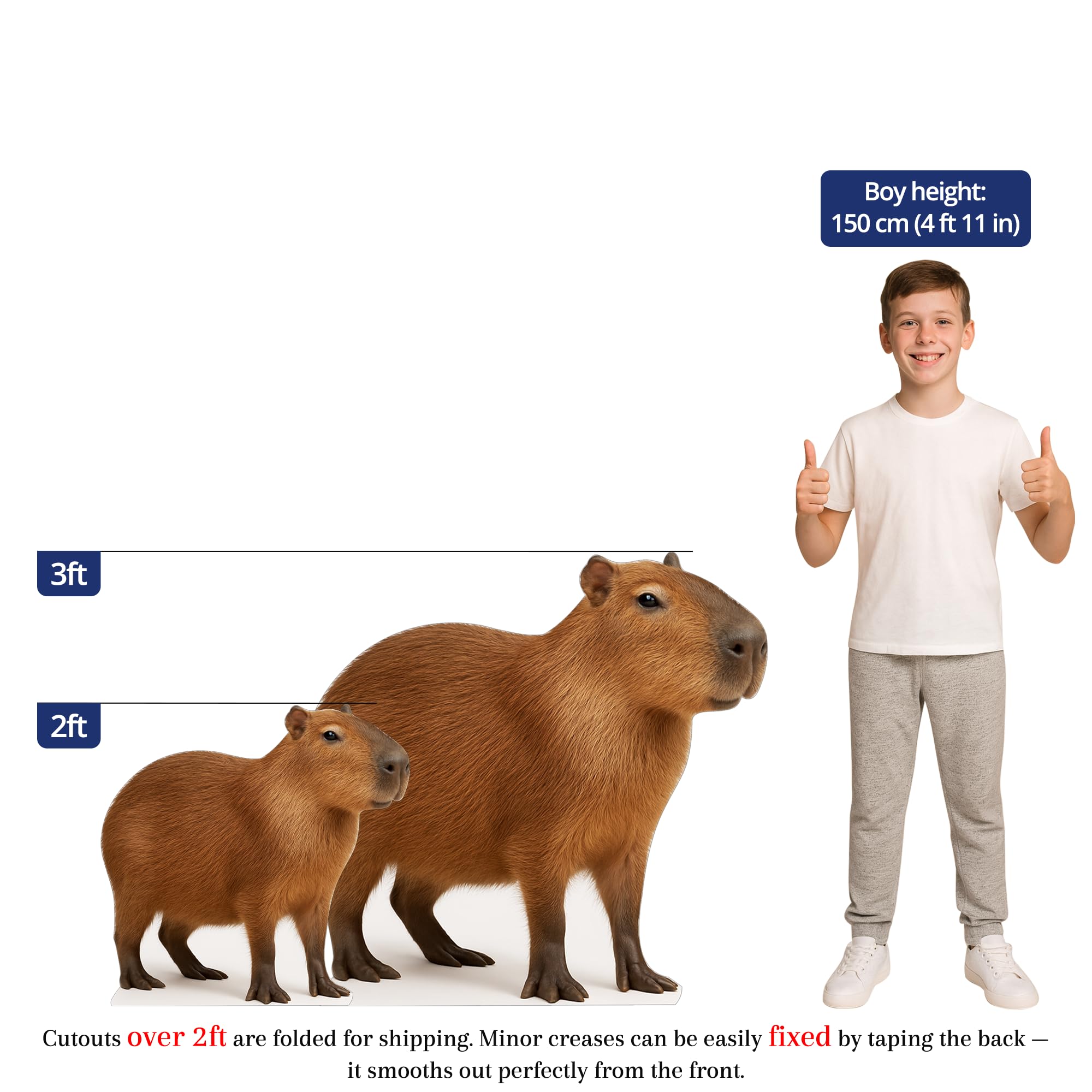
Credit: www.amazon.com
Comparing Capybara Size With Other Animals
Many people are surprised by how large capybaras are compared to other familiar animals. Here is a comparison to help you visualize their size:
| Animal | Average Length (cm) | Average Weight (kg) |
|---|---|---|
| Capybara | 105–135 | 35–66 |
| Guinea Pig | 20–25 | 0.7–1.2 |
| Rabbit | 34–50 | 1–2.5 |
| Medium Dog (Beagle) | 33–41 | 9–11 |
This table shows why capybaras are often called “giant guinea pigs”—they belong to the same rodent family but are much larger.
Capybara Size: Male Vs. Female
While male and female capybaras look similar, there are some size differences:
- Females are usually heavier and more robust.
- Males are slightly slimmer but can reach similar lengths.
This size difference helps females carry and nurse several pups at once. In the wild, a healthy adult female can weigh up to 20% more than a male of the same age.

Credit: www.dimensions.com
Capybara Size Around The World
Capybaras are native to South America, especially around the Amazon basin and wetlands. However, their average size can change depending on where they live.
| Region | Average Weight (kg) | Notes |
|---|---|---|
| Brazil | 50–60 | Larger, due to abundant food |
| Venezuela | 40–50 | Medium size, wetland habitat |
| Argentina | 35–45 | Smaller, drier regions |
This variation shows how climate and resources shape the capybara’s growth.
Why Capybara Size Matters
The large size of capybaras affects their lifestyle in several ways:
- Predator avoidance: Their size helps them stay safe from smaller predators.
- Social groups: Capybaras live in groups of 10–20, and bigger animals have higher status.
- Swimming ability: Their bulk helps them float and swim for long periods.
Non-obvious insight: Capybaras use their weight to dig mud beds, which keeps them cool and protects them from insects. Also, their size allows them to eat large amounts of grass and aquatic plants—up to 3–4 kilograms of food daily.

Credit: www.awsfzoo.com
Capybara Teeth And Head Size
Capybaras have a large, blunt head and strong teeth. Their incisors can be almost 8 centimeters long, and their jaws are powerful enough to chew tough plants.
Their head makes up about one-fourth of their body length, which is unusual for rodents. This large head supports strong jaw muscles for grazing.
Capybara Size In Captivity Vs. Wild
Capybaras living in zoos or as pets often grow larger than their wild relatives. Regular food, less stress, and medical care mean some captive capybaras can reach the upper end of the weight range—sometimes over 70 kilograms.
However, being overweight can lead to health problems. It is important for owners to maintain a healthy diet and allow space for exercise.
Comparing Capybaras To Other Large Rodents
Capybaras are not the only large rodents in the world, but they are the biggest. Here is a quick look at how they compare:
| Rodent | Max Weight (kg) | Region |
|---|---|---|
| Capybara | 66 | South America |
| Beaver | 32 | North America, Europe |
| Porcupine | 27 | Worldwide |
| Nutria (Coypu) | 9 | South America |
Capybaras clearly stand out for their size and mass.
Factors That Affect Capybara Size
Many things can influence how big a capybara grows:
- Genetics: Offspring of large capybaras are likely to be big as well.
- Diet: A varied diet with plenty of grasses, fruits, and water plants supports healthy growth.
- Habitat: Wetlands and lush areas produce larger animals.
- Health: Illness or lack of food during childhood can stunt growth.
One common mistake is thinking all capybaras reach the maximum size. In reality, only those with the best conditions achieve the top range.
Frequently Asked Questions
How Big Can A Capybara Get?
An adult capybara can reach up to 135 centimeters in length and 66 kilograms in weight. Some in captivity may grow even larger.
Are Male Or Female Capybaras Bigger?
Females are usually heavier and more robust than males, though both sexes can reach similar lengths.
How Does A Capybara’s Size Compare To A Dog?
Capybaras are larger than most domestic dogs. For example, they are heavier and longer than a beagle or cocker spaniel.
Can You Keep A Capybara As A Pet, Considering Their Size?
Yes, but their large size means they need a lot of space, water, and food. They are not suitable for small homes or apartments.
Where Can I Learn More About Capybara Size And Biology?
You can find more detailed information from the Wikipedia Capybara page, which covers their size, habitat, and behavior.
Capybaras are gentle giants of the rodent world, and their impressive size is one of the features that make them truly unique. Understanding their size helps us appreciate their role in nature, their needs in captivity, and why they capture so much attention wherever they go.


