

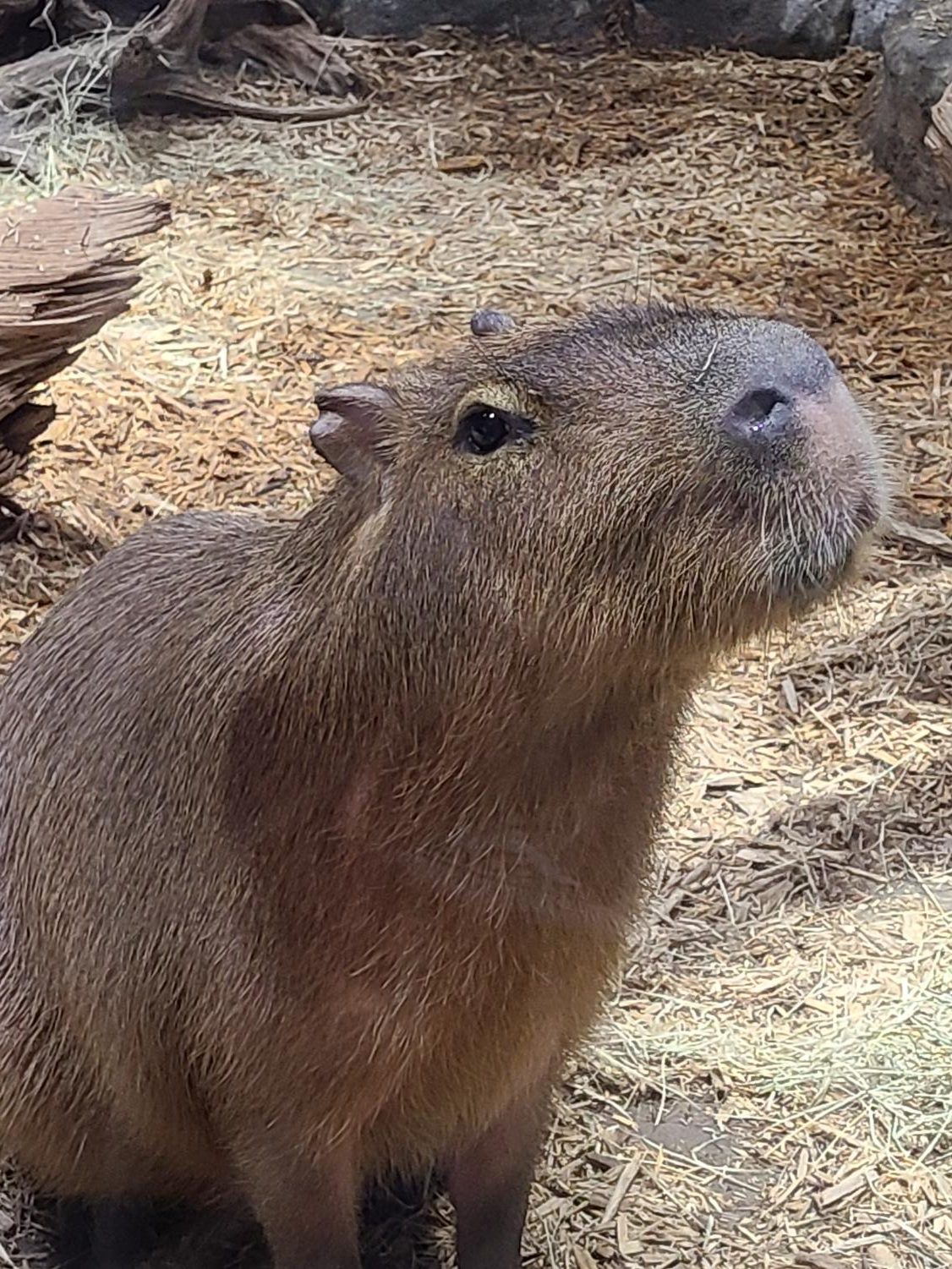
Capybaras are often called the world’s friendliest rodents. You may know them for their calm nature and unique appearance, but their vocal world is just as fascinating. Capybaras are very social animals. They use a wide range of sounds to talk with their group.
If you have ever seen a capybara in a zoo or even watched videos online, you might have noticed these gentle creatures making strange but interesting noises. Understanding what noises capybaras make can help you see a whole new side of their behavior and emotions.
Capybara Communication: Why Do They Make Noises?
Capybaras live in groups, sometimes up to 100 animals. In such large groups, communication is essential. These rodents use sounds to warn about danger, call their babies, or show emotions like happiness or stress. Unlike many other rodents, capybaras are vocal both on land and in water.
Researchers have found that capybaras use at least seven main types of vocalizations. Each sound has a different meaning, and often, the same sound can mean different things depending on the situation or the animal’s age.
Main Noises Capybaras Make
Let’s explore the main sounds you will hear from a capybara and what each one means.
1. Whistles
Whistles are high-pitched and sharp. Baby capybaras use whistles to call their mother, especially when they are lost or hungry. Adult capybaras also whistle to get attention or signal alarm. These sounds travel well over long distances, which is useful in the wild.
2. Clicks
Clicks are short, repeated sounds. Capybaras often make clicking noises when they are content, relaxed, or grooming each other. It’s a friendly, social noise. Some people compare it to the sound of a soft typewriter or a dolphin’s click.
3. Barks
Capybara barks are loud, short, and sharp. This noise usually means there’s danger nearby. When one capybara barks, the whole group pays attention and may run into the water for safety. Barks are also used to warn others to stay away from their territory.
4. Purrs
A capybara purr is a low, vibrating sound. It shows that the animal is happy and comfortable. You may hear a capybara purr while it’s eating or being petted. The sound is similar to a cat’s purr but a bit deeper and longer.
5. Grunts
Grunting is common during feeding or when capybaras greet each other. A grunt is a short, soft, and low sound. It signals that everything is normal and calm. Mothers also grunt to comfort their babies.
6. Squeals
Squeals are high-pitched and loud. These usually mean the capybara is in pain, frightened, or stressed. You might hear squeals during fights or if an animal is grabbed by a predator.
7. Teeth Chattering
This sound is made by rubbing their teeth together. Teeth chattering is often a warning to other capybaras, telling them to back off. It can happen before a fight or when the animal feels threatened.
8. Humming
Humming is a quiet, continuous sound. Capybaras hum when they are resting or sitting close to each other. It helps keep the group together and calm.

Credit: www.youtube.com
How Do Capybara Noises Compare To Other Animals?
Capybaras have a much wider range of vocal sounds than most rodents. While animals like guinea pigs also make squeals and purrs, capybaras combine these sounds with whistles, barks, and clicks. Their ability to use different sounds for different situations makes their communication unique.
Here’s a quick comparison of noises made by capybaras, guinea pigs, and rabbits:
| Noise Type | Capybara | Guinea Pig | Rabbit |
|---|---|---|---|
| Whistle | Yes | Yes | No |
| Click | Yes | No | No |
| Purr | Yes | Yes | Yes |
| Squeal | Yes | Yes | Yes |
| Bark | Yes | No | No |
| Teeth Chatter | Yes | Yes | Yes |
What Each Capybara Noise Means In Daily Life
Knowing what each sound means can help you better understand capybaras, whether you are a pet owner or just a fan. Here are some real-life examples:
- If a capybara barks suddenly, it’s likely warning others about a possible threat, like a bird of prey or a strange noise.
- A group of capybaras clicking and purring while resting together shows they feel safe and happy.
- Whistling babies quickly find their mother, helping them stay safe in a large group.
Another interesting point: some capybaras have their own “voice.” Researchers noticed that individual capybaras can be recognized by their unique whistle or click pattern, similar to how humans have different voices.

Credit: www.fukuoka-now.com
How Loud Are Capybara Noises?
Capybara sounds are not usually very loud, except for barks and squeals. Most of their noises are soft and meant for communication within the group. However, barks can be heard from over 100 meters away, which is useful in large open areas.
Here’s a comparison of the loudness (measured in decibels) of different capybara sounds:
| Noise | Approximate Loudness (Decibels) | When Used |
|---|---|---|
| Bark | 80-90 | Alarm, warning |
| Squeal | 70-80 | Distress, pain |
| Whistle | 60-70 | Contact, alert |
| Purr | 40-50 | Contentment |
| Click | 40-50 | Social, friendly |
Capybara Noises And Human Interaction
If you visit a zoo or sanctuary, you might hear capybaras making some of these noises, especially during feeding or when they see their favorite caretaker. Some people who keep capybaras as pets say that their animals “talk” to them with clicks and purrs, showing trust and comfort.
It’s important to know that not all sounds are positive. For example, if a capybara starts to squeal or bark when you approach, it might be scared or stressed. Respecting these signals is key to good animal care.
Two Insights Many People Miss
- Capybara sounds can change with age. Young capybaras use more whistles and squeals, while adults rely more on grunts, clicks, and barks. Knowing this can help you understand the needs of different age groups.
- Some capybara sounds are only used underwater. For example, humming can happen while the animal is swimming. This helps the group stay together, even when they’re not on land.
Frequently Asked Questions
What Is The Most Common Sound Made By Capybaras?
The most common sound is clicking, which is often heard during social grooming or when capybaras are calm and happy.
Can Capybaras Recognize Each Other’s Voices?
Yes, studies show that capybaras have unique sound patterns, especially in their whistles and clicks. They can recognize friends and family members by these sounds.
Do Capybaras Make Noise At Night?
Capybaras are active both day and night. They may make noises at any time, but social sounds like purring and clicking are more common during rest or feeding periods.
Are Capybara Noises Dangerous Or Aggressive?
Most noises are friendly or neutral. However, barks and teeth chattering can be warning signs of stress or a possible fight.
Where Can I Hear Capybara Sounds?
You can listen to capybara noises in many online videos or visit a zoo. For more on animal communication, check this Wikipedia page on capybaras.
Learning about capybara noises can make your encounters with these animals much richer. Next time you see a capybara, listen closely—you might understand what it is trying to say.
Credit: thewicknews.com


