

Capybaras are fascinating animals that attract attention not just for their size and gentle nature, but also for their unique ways of communicating. If you have ever seen a capybara in a zoo or online, you might have noticed their subtle sounds and social behavior.
But what sound do capybaras make? Many people think these animals are mostly silent, but the truth is quite different. Capybaras have a wide range of vocalizations, and each sound has a special meaning in their daily lives. Understanding these sounds can deepen your appreciation for these social creatures and help you connect with them in a new way.
The Main Sounds Capybaras Make
Capybaras use vocalizations to express emotion, share information, and keep the group together. Let’s look at the main types of sounds they make and what each one means.
1. Whistles
A whistle is one of the most common capybara sounds. It is a high-pitched, clear note. Capybaras whistle for several reasons, such as:
- Calling to group members
- Signaling alarm or danger
- Guiding young capybaras
The whistle can be short or long depending on the situation. For example, a mother may whistle to her pups to help them find her.
2. Clicks
Capybaras often make clicking sounds with their mouths. These clicks are short and sharp, and you can hear them during social interactions. Clicking usually means:
- Friendly greeting
- Asking for attention
- Indicating curiosity
This sound is quieter than the whistle but still easy to recognize if you listen closely.
3. Purrs
One of the most surprising capybara sounds is the purr. It is a soft, vibrating sound, similar to a cat’s purr but a bit deeper. Capybaras purr when:
- They feel safe and relaxed
- They are being groomed by another capybara
- They are in close contact with family
Purring shows contentment and helps strengthen social bonds.
4. Barks
When a capybara senses danger, you might hear a bark. This sound is loud and abrupt, almost like a dog’s bark. Capybaras bark to:
- Warn the group of predators
- Signal surprise or stress
- Startle potential threats
Barking is a group alert. After a bark, all capybaras become alert and may run for safety.
5. Grunts
Grunting is a low, short sound. Capybaras grunt when:
- They are annoyed or uncomfortable
- Arguing over food or space
- Expressing mild stress
A grunt is not as intense as a bark but shows the animal is not happy with the current situation.
6. Tooth Chattering
Capybaras sometimes chatter their teeth rapidly. This sound is a warning, often heard during conflicts. Tooth chattering means:
- Stay away
- I am annoyed or defending my space
This is one of the main signals of aggression in capybaras.
7. Squeals
Squealing is a high-pitched, urgent sound. Young capybaras squeal more often, especially when:
- They are separated from their mother
- They feel scared
- They need attention
Adult capybaras may also squeal during fights or stressful moments.
8. Hums
A hum is a soft, continuous sound, almost like a low-pitched drone. Capybaras hum:
- When moving together as a group
- To maintain contact in tall grass or water
This sound helps capybaras stay together, especially when visibility is low.
Why Capybaras Make These Sounds
Capybaras are highly social animals. They live in groups, sometimes up to 40 members. Sound is essential to their social life. Each sound has a unique purpose:
- Whistles and hums: Help keep the group together
- Barks: Protect the group from threats
- Purrs and clicks: Build friendship and trust
They also use sounds to teach their young, solve conflicts, and share their mood with others.

Credit: www.youtube.com
Capybara Sounds Compared To Other Animals
Many people are surprised by how complex capybara communication is. To understand it better, here is a comparison of capybara sounds with those of other rodents and common pets.
| Animal | Common Sounds | Main Purpose |
|---|---|---|
| Capybara | Whistles, barks, purrs, clicks | Social bonding, warning, group contact |
| Guinea pig | Wheeks, purrs, teeth chattering | Excitement, happiness, warning |
| Dog | Barks, growls, whines | Warning, play, communication |
| Cat | Purrs, meows, hisses | Affection, request, defense |
As you can see, capybaras have a rich “vocabulary” similar to other social animals. Their sounds are not random but always have meaning.
Capybara Communication In The Wild Vs. Captivity
The environment plays a big role in how often and why capybaras vocalize. In the wild, they use more alarm calls because of predators. In captivity, their sounds are more about social life and less about survival.
| Environment | Common Sound Types | Sound Frequency |
|---|---|---|
| Wild | Barks, whistles, hums | High |
| Captivity | Purrs, clicks, grunts | Moderate to low |
This change is because captive capybaras have fewer threats and more human interaction. They express relaxation more often than alarm.
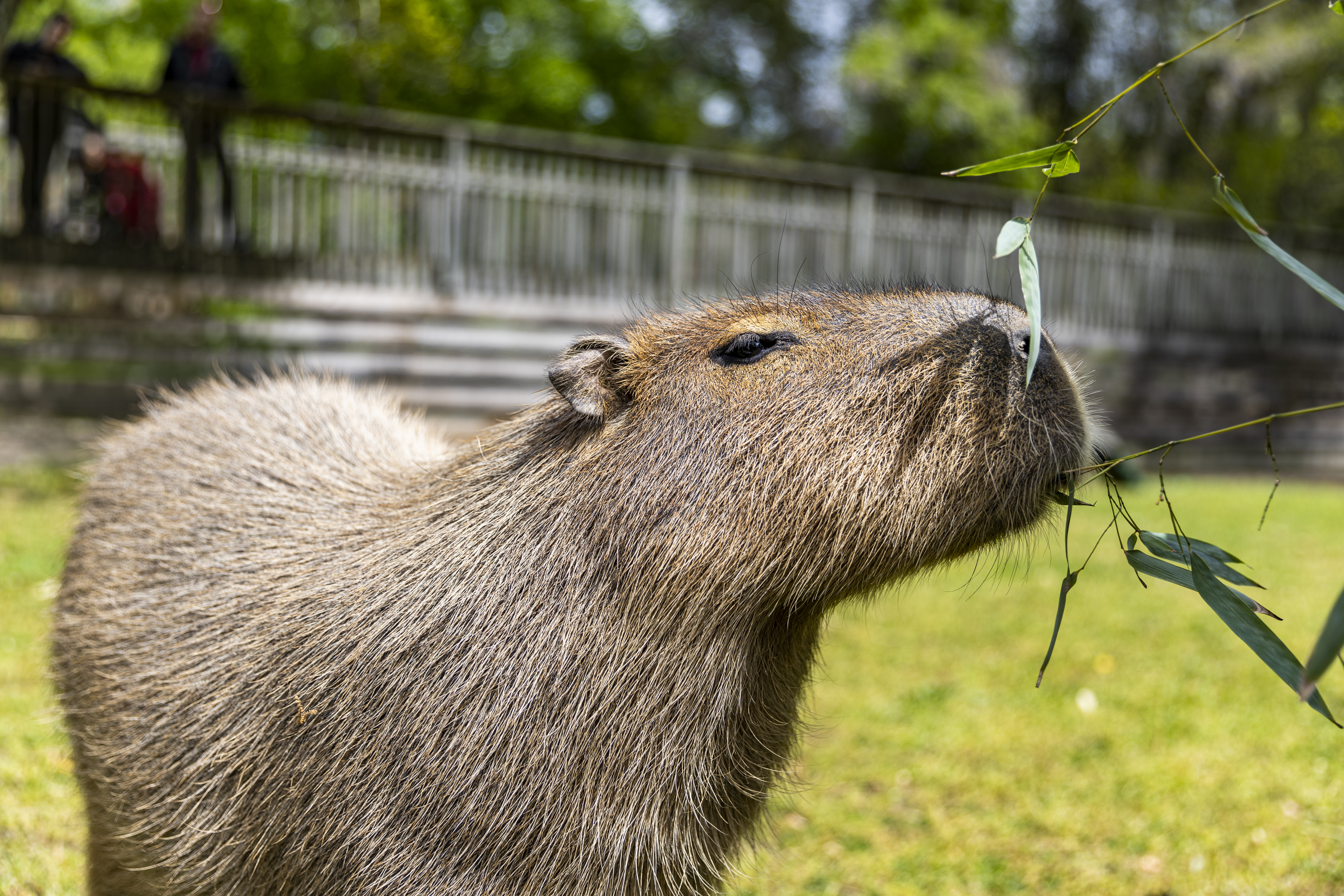
Credit: www.inquirer.com
Non-obvious Insights About Capybara Sounds
Beginners often miss some important facts about capybara communication:
- Capybaras start vocalizing as babies. Even newborn pups make sounds to call their mother.
- Not every sound is easy to hear. Some capybara sounds are very soft, especially purrs and hums. You need to be close and in a quiet place to notice them.
- Capybaras use body language with sound. For example, a bark often comes with raised fur or a quick run toward water.
Understanding these points helps you better interpret capybara behavior, whether you are a pet owner or just a fan.
How To Recognize Capybara Sounds
If you want to identify capybara sounds, try these tips:
- Watch capybaras in a quiet setting and listen for background noises
- Notice the timing: Purring often happens during grooming, while barking happens suddenly
- Look for group reactions: After a bark, the whole group may move
You can also find video and audio examples from trusted sources, such as the Wikipedia Capybara page.

Credit: www.walmart.ca
Frequently Asked Questions
What Is The Most Common Sound Capybaras Make?
Whistles are the most common. Capybaras use them daily to keep in touch with each other, especially mothers and their young.
Do Capybaras Sound Like Guinea Pigs?
Some sounds, like purrs and clicks, are similar to guinea pigs. But capybaras have a deeper purr and a much louder bark.
Can Capybaras Recognize Each Other’s Voices?
Yes, capybaras can identify the unique sounds of their family members. Each animal’s whistle or purr has slight differences.
Why Do Capybaras Bark At Night?
Nighttime barking usually means the group has sensed a predator or some disturbance. It is a warning to be alert.
Are Capybara Sounds Loud Enough For Humans To Hear?
Most capybara sounds, such as barks and whistles, are easy for humans to hear. However, purrs and hums are much softer and may require a quiet environment.
Capybara sounds reveal a lot about their social lives and emotions. Learning to understand these sounds can bring you closer to these gentle giants and help you see the world through their ears. Whether in the wild or as pets, capybaras use their voices to connect, protect, and care for each other—a reminder that all animals have their own special ways to “talk.
“


