

Have you ever wondered what sounds a capybara makes? These gentle creatures are known for their calm nature, but their vocalizations might surprise you.
Understanding the noises they produce can reveal a lot about their behavior and emotions. If you want to know how to recognize a happy, scared, or curious capybara just by listening, keep reading. You’ll discover fascinating facts that will change the way you hear these amazing animals.
Common Capybara Sounds
Capybaras communicate using many different sounds. These sounds help them share feelings and warn others. Understanding these noises reveals how social and smart capybaras are.
Each sound has a special meaning. They use whistles, grunts, barks, and more to talk with each other. These sounds are easy to hear near water where capybaras live.
Whistles And Whines
Capybaras often whistle to call friends or family. The whistle is clear and sharp. It helps them find each other in tall grass or water.
Whines are softer and show worry or sadness. Baby capybaras use whines to ask for attention. Adults may whine if they feel stressed.
Grunts And Huffs
Grunts are common sounds. Capybaras grunt to say “hello” or stay close. It is a friendly noise that keeps the group together.
Huffs are louder and show annoyance or warning. If a capybara feels threatened, it will huff to warn others. This sound tells others to be careful.
Barks And Chirps
Barks are short and sharp. Capybaras bark to scare off danger or alert the group. It is a quick way to get attention.
Chirps are soft and high-pitched. They use chirps during play or to show happiness. This sound is common among young capybaras.
Sounds For Communication
Capybaras use many sounds to talk to each other. These sounds help them live together and stay safe. Each sound has a special meaning. They can show feelings and needs. Listening closely reveals their rich language.
Their sounds are clear and easy to notice. They use calls to keep the group calm or alert. In different situations, the capybara’s voice changes. This helps the group understand what is happening.
Social Bonding Calls
Capybaras make soft purring or clicking noises. These sounds show they feel safe and happy. Mothers and babies often use these calls. They help keep the family close. These calls also calm stressed group members.
Alarm And Warning Signals
When danger appears, capybaras make loud whistles or barks. These sounds warn others to be careful. The group quickly reacts to these signals. It helps them avoid predators or threats.
Mating And Reproductive Sounds
During mating, males and females use different calls. Males grunt or hum to attract females. Females may respond with soft whistles. These sounds help them find and choose partners.
Sound Variations By Age And Gender
Capybaras make different sounds based on their age and gender. These sound variations help them communicate better within their groups. Young capybaras, adult males, and females each have unique vocal patterns. These differences play a role in social bonding, warning signals, and mating behaviors.
Understanding these sounds reveals much about capybara behavior and social life. It also shows how they adapt their communication to their roles and needs.
Juvenile Vocalizations
Young capybaras produce soft and high-pitched sounds. These calls express hunger, discomfort, or a need for attention. Their squeaks and whistles are gentle and brief. These sounds help mothers find and care for their babies quickly. Juvenile vocalizations are less complex than adult calls.
Adult Male Calls
Adult males have deeper and louder calls. They use these sounds to mark territory and assert dominance. Their grunts and barks warn other males to stay away. During mating season, males make rhythmic calls to attract females. These sounds show strength and readiness to compete.
Female Capybara Sounds
Female capybaras produce softer and more varied sounds. Their calls include chirps, whistles, and purrs. These sounds help maintain group harmony and care for young. Females often use gentle calls to soothe their offspring. Their vocal patterns support social bonding within the herd.

Credit: www.walmart.ca
Comparing Capybara Sounds To Other Rodents
Capybaras produce a variety of sounds that help them communicate. Comparing these sounds to those made by other rodents highlights their unique way of expressing feelings. Understanding these differences and similarities gives insight into how capybaras interact with their environment and group members.
Differences With Guinea Pigs
Guinea pigs often make high-pitched squeaks and whistles. Their sounds tend to be sharper and quicker. Capybaras, in contrast, use softer grunts and purrs. Their calls are slower and more drawn out. Guinea pigs vocalize mainly to show excitement or fear. Capybaras use sounds to express a wider range of emotions, like contentment or alertness. The size difference influences the pitch and tone of their calls.
Similarities To Beavers And Porcupines
Capybaras share some sound traits with beavers and porcupines. All three use low-pitched grunts and growls to warn of danger. They often produce gentle chirps to keep contact with family. These rodents rely on vocal sounds to maintain group bonds. The shared habitat near water also affects their communication style. Their sounds help keep the group safe and connected.
How Researchers Study Capybara Vocalizations
Studying capybara sounds helps researchers understand these animals better. Capybaras use many vocal sounds to talk with each other. Scientists listen closely to learn what each sound means. This study helps reveal capybara behavior and social life.
Field Recording Techniques
Researchers use special microphones to record capybara sounds in nature. These microphones catch clear sounds even from a distance. Scientists place microphones near capybara groups without disturbing them. They record at different times to capture various sounds. This careful recording gives true data about capybara communication.
Analyzing Frequency And Patterns
After recording, researchers study the sounds on computers. They look at sound frequency, pitch, and length. Patterns in sounds show different messages or emotions. Scientists use graphs to see changes in sound waves. This detailed analysis helps identify unique capybara calls and their meanings.

Credit: www.youtube.com
Role Of Vocalizations In Capybara Behavior
Capybaras are social animals that use sounds to communicate. Their vocalizations play a big role in their daily life and survival. These sounds help them stay connected, show feelings, and keep their group safe.
Understanding these vocal signals reveals how capybaras interact and behave in their natural habitats.
Group Coordination
Capybaras use soft whistles and purrs to keep in touch with each other. These sounds help the group stay together while moving or feeding. When danger appears, they make sharp alarm calls. This warns others to be alert or hide quickly. Their vocal signals help the whole group act as one.
Territorial Displays
Male capybaras use loud barks and grunts to mark their territory. These sounds warn other males to stay away. This reduces fights and keeps peace in the area. The calls also show strength and dominance. This way, capybaras protect their space without much conflict.
Stress And Comfort Signals
Capybaras make high-pitched squeals when stressed or scared. These sounds alert others about threats or pain. On the other hand, gentle purrs and clicks show calm and comfort. Mothers use these sounds to soothe their babies. Vocalizations help capybaras express feelings clearly.
Surprising Facts About Capybara Sounds
Capybaras are known for their quiet nature, but their sounds can surprise you. These animals use different noises to communicate with each other. Their sounds tell stories about their feelings and environment. Some sounds are common, while others are rare and unexpected. Understanding these sounds helps us learn more about capybara behavior.
Unexpected Silent Moments
Capybaras often stay very quiet, especially in groups. Silence helps them stay safe from predators. They use silence as a way to avoid drawing attention. These quiet times can last for minutes or even hours. It shows how important silence is in their daily life.
Rare Vocal Expressions
Capybaras make some sounds that you might not hear often. They produce whistles and clicks to call friends or warn danger. Sometimes, they grunt softly to show contentment. These rare sounds help capybaras share messages quickly. Listening carefully can reveal these hidden vocal expressions.
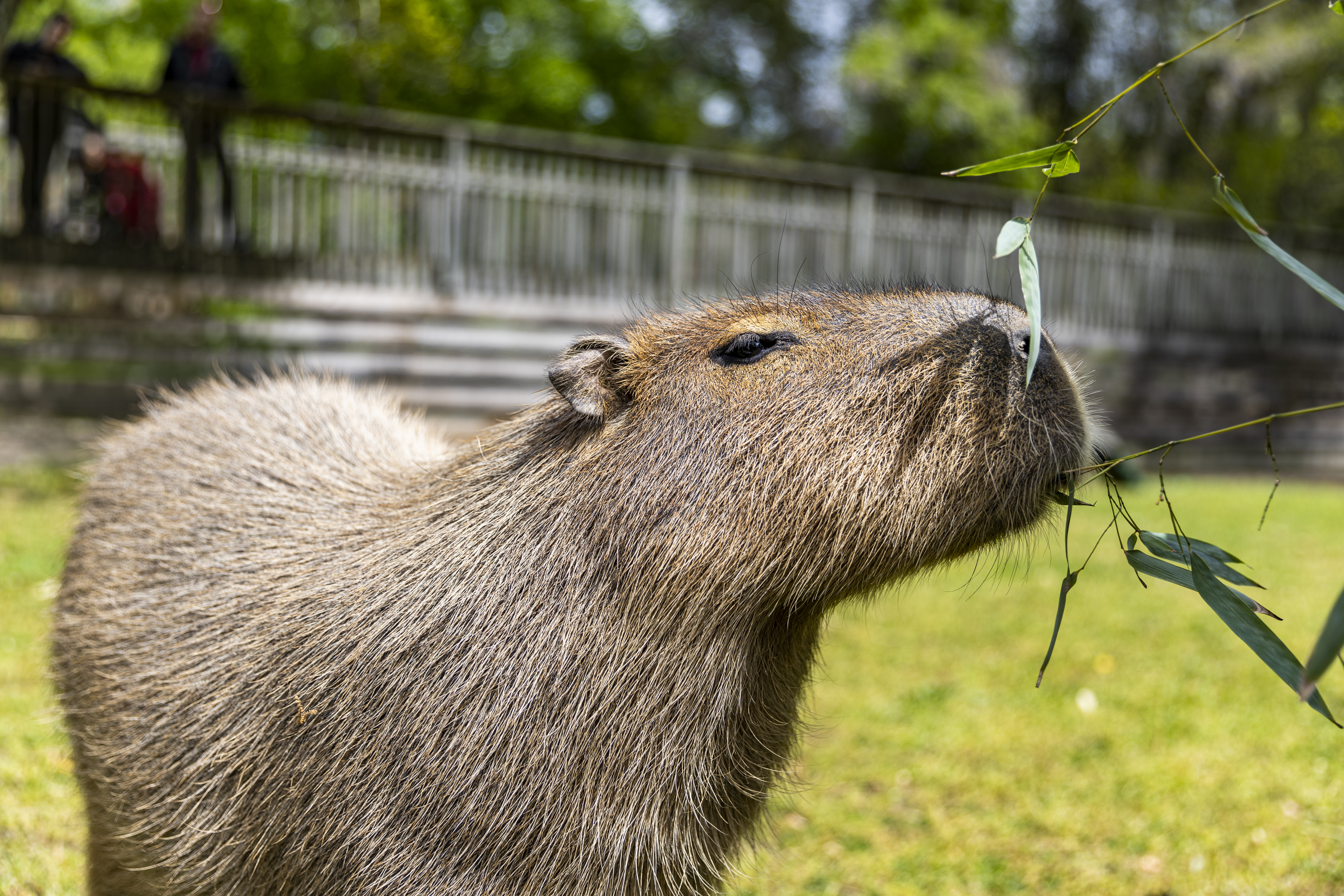
Credit: www.inquirer.com
How Capybara World Can Help You with What Sounds Does a Capybara Make
Turning Capybara Sounds into Learning Moments
Understanding the variety of capybara vocalizations opens up some fun and practical learning opportunities. For example, by paying attention to how sounds vary by age and gender, you can start to recognize individual capybaras’ moods or social roles within a group. This can deepen your appreciation for their complex communication system and behavior.
- Try comparing capybara sounds to those of other rodents to sharpen your listening skills and notice subtle differences.
- Explore how researchers study capybara vocalizations to learn about scientific methods in wildlife observation and data collection.
For those curious to dive deeper, resources from Capybara World, founded by wildlife biologist Marina Velasco, offer well-researched insights that blend playful storytelling with solid science. If you have questions or want to share your own capybara audio discoveries, reaching out via hello@capybara-world.com connects you with a community that’s as chill and curious as the capybaras themselves.
Frequently Asked Questions
What Sounds Do Capybaras Commonly Make?
Capybaras produce a variety of sounds including purrs, whistles, barks, and clicks. These vocalizations help them communicate with each other in different situations.
Why Do Capybaras Purr And Whistle?
Capybaras purr when they are calm or content. Whistles are often used to call or alert other capybaras nearby.
How Do Capybara Sounds Help In Social Bonding?
Capybara sounds like barks and grunts strengthen social bonds. They use these noises to signal warnings or show affection within their group.
Are Capybara Sounds Similar To Other Rodents?
While capybara sounds share traits with other rodents, their vocalizations are unique. Their purrs and whistles are distinct and adapted for communication in their environment.
Conclusion
Capybaras make many sounds to talk with each other. They whistle, bark, purr, and even make clicks. These sounds help them feel safe and stay close. Listening to their noises tells us about their mood and needs. Understanding capybara sounds makes watching them more fun and interesting.
These gentle animals use their voices to show care and alert friends. Their unique sounds add to the charm of these friendly creatures. Learning about capybara communication helps us appreciate nature’s small wonders. It shows how animals connect in simple but special ways.


