

Capybaras bring a gentle charm to Dreamlight Valley. These large, friendly rodents often catch players’ attention as they relax near water or wander through grassy areas. But if you want to interact with them or add them to your valley, you need to know exactly what to feed them.
Many newcomers make mistakes, wasting time and resources on the wrong foods. This guide will help you understand what capybaras eat in Dreamlight Valley, how to approach them, and how to maximize your chance of befriending these lovable creatures.
Understanding Capybaras In Dreamlight Valley
In Dreamlight Valley, capybaras are not just background animals. They can become companions if you treat them right. Unlike some animals, capybaras have specific preferences. Feeding them the correct food is the first step in building trust.
Capybaras in the game behave a bit like their real-world counterparts. They love certain plants and are drawn to fresh, natural items. If you feed them the wrong thing, they may ignore you or even become shy. That’s why knowing their favorite foods is crucial.
The Best Foods For Capybaras
Capybaras in Dreamlight Valley have a main favorite: Sugarcane. While they will sometimes accept other foods, giving them their favorite increases your chances of a positive interaction.
Here’s how the main foods compare:
| Food | Preference Level | How to Obtain |
|---|---|---|
| Sugarcane | Favorite | Buy seeds from Goofy’s Stall in Dazzle Beach, then grow |
| Carrots | Accepted | Buy seeds from Goofy’s Stall in Peaceful Meadow |
| Lettuce | Accepted | Buy seeds from Goofy’s Stall in Peaceful Meadow |
Sugarcane is always the best choice. Capybaras respond quickly and warmly, making it easier to befriend them. Carrots and lettuce can work if you run out of sugarcane, but you may need to try more than once.

Credit: www.ign.com
How To Feed A Capybara
Feeding a capybara is more than just clicking a button. Approach matters, and timing can make a difference.
1. Find The Capybara
Capybaras often stay near water or grassy areas. Look for them during the daytime, as they are less active at night.
2. Approach Slowly
If you run toward them, capybaras may get scared and run away. Walk slowly and don’t make sudden moves.
3. Wait For Interaction Prompt
When you are close enough, wait for the “Feed” prompt to appear. Be patient.
4. Give Their Favorite Food
Select sugarcane from your inventory. Watch the capybara’s reaction. If you chose the right food, you’ll see a happy animation.
5. Repeat For Friendship
You may need to feed a capybara several times over a few days to make it your companion. Consistency helps.
Many beginners forget to approach slowly or try to feed the wrong item, which can set them back. Remember, patience is part of the process.
Where To Get Capybara Food
Growing your own capybara food is simple once you know where to start. Here’s how you can always have fresh sugarcane ready:
| Seed | Location | Growth Time |
|---|---|---|
| Sugarcane Seed | Dazzle Beach (Goofy’s Stall) | 7 minutes |
| Carrot Seed | Peaceful Meadow (Goofy’s Stall) | 15 minutes |
| Lettuce Seed | Peaceful Meadow (Goofy’s Stall) | 3 minutes |
Sugarcane is fast to grow, so it’s smart to plant several at once. Harvesting regularly means you’ll never run out when you spot a capybara.
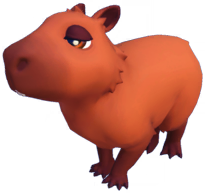
Credit: dreamlightvalleywiki.com
Common Mistakes To Avoid
Feeding capybaras may sound simple, but many players make avoidable errors. Here’s what to watch out for:
1. Feeding Wrong Foods
Some players try to offer fruits or cooked dishes. Capybaras ignore these.
2. Trying To Feed At Night
Capybaras are less active after dark. Feed them during the day for the best chance.
3. Approaching Too Quickly
Running or making noise scares them away. Always walk, never sprint.
4. Not Planting Enough Sugarcane
Underestimating how much you’ll need can leave you short at the wrong time.
5. Forgetting To Check Inventory
Double-check you have sugarcane before you head out.
Learning these points early saves time and helps you build friendships with capybaras faster.
Advanced Tips For Capybara Interactions
If you want to get the most out of your interactions, consider these advanced tips:
- Feed Once Per Day: Capybaras only accept food once daily. More attempts won’t speed up friendship.
- Save Sugarcane for Favorites: Don’t waste sugarcane on other animals. Keep your supply for capybaras.
- Track Capybara Locations: Mark areas on your map where you spot capybaras often. This saves time searching.
Here’s a quick comparison of capybara behavior at different times:
| Time of Day | Capybara Activity | Feeding Success Rate |
|---|---|---|
| Morning | Active | High |
| Afternoon | Very Active | Very High |
| Evening | Less Active | Medium |
| Night | Inactive | Low |
Morning and afternoon are best for feeding capybaras. Plan your visits for these times.
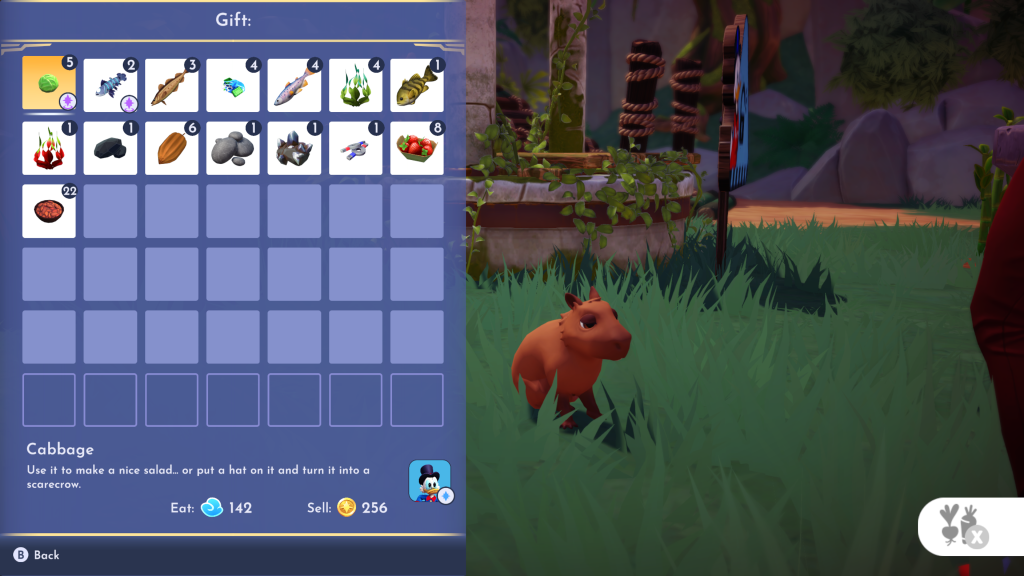
Credit: www.ginx.tv
Frequently Asked Questions
What Is The Favorite Food Of Capybaras In Dreamlight Valley?
The favorite food is sugarcane. Giving this food ensures the best chance of befriending a capybara quickly.
Can I Feed Capybaras Any Cooked Dishes Or Fruits?
No, capybaras only accept raw vegetables like sugarcane, carrots, and lettuce. Cooked items or fruits are ignored.
How Often Can I Feed A Capybara?
You can feed each capybara once per day. Feeding more often does not increase friendship faster.
Where Do I Find Sugarcane In The Game?
Sugarcane seeds are available at Goofy’s Stall in Dazzle Beach. Plant and harvest them for a steady supply.
What Happens If I Feed The Wrong Food?
If you offer the wrong food, the capybara will not react positively and may walk away. You’ll need to wait until the next day to try again.
Feeding capybaras in Dreamlight Valley is a rewarding part of the game, but it requires some planning. Use sugarcane for the best results, approach quietly, and stick to a daily routine. These tips will help you enjoy your time with these gentle creatures and may even help you add a capybara companion to your valley. For more about capybara behavior, check out the Wikipedia capybara entry.


