

Capybaras are famous for being calm, social, and gentle. People all over the world love these unique animals, but many don’t know that there is a special day to celebrate them. If you’re curious about Capybara Day—when it is, why it exists, and how you can take part—you’re in the right place. Let’s dive into the world of capybaras and discover everything about their special day.
When Is Capybara Day?
Capybara Day is celebrated every year on October 10. This day is dedicated to raising awareness about the world’s largest rodent. It started in South America, where capybaras are native, and has now spread to different countries. On this day, animal lovers, zoos, and wildlife organizations share facts, photos, and stories about capybaras.
What’s special about October 10? This date was chosen to highlight the importance of capybara conservation. It also falls during a season when capybaras are active and visible in the wild, making it perfect for events and educational programs.
Why Do Capybaras Deserve Their Own Day?
Some people wonder why capybaras get a special day. Here’s why these animals deserve attention:
- Largest rodent: Capybaras can grow up to 1.3 meters long and weigh as much as 66 kg.
- Social animals: They live in groups, often with 10-20 members, and show strong family bonds.
- Unique adaptation: Capybaras are semi-aquatic and have webbed feet, helping them swim.
- Cultural importance: In countries like Brazil and Venezuela, capybaras appear in folklore and local stories.
Capybaras also face challenges in the wild, such as habitat loss and illegal hunting. Capybara Day helps people learn how to protect them.

Credit: sigmaearth.com
How Capybara Day Is Celebrated
Around the world, people celebrate Capybara Day in many ways. Here are some common activities:
- Zoo events: Many zoos organize special capybara-themed activities. Visitors can watch feeding sessions, join guided tours, or listen to talks about capybara care.
- Social media campaigns: Animal lovers post photos, videos, and facts about capybaras using hashtags like #CapybaraDay.
- School projects: Teachers use the day to teach students about capybara biology and conservation.
- Art and crafts: Fans create capybara drawings, paintings, and plush toys.
- Wildlife fundraisers: Some organizations raise money for capybara habitat protection.
A non-obvious way to celebrate is by supporting local wetland conservation, which benefits not only capybaras but also other species sharing their habitat.
Capybara Facts Most People Don’t Know
Most people know capybaras are large rodents, but there are many surprising facts about them:
- Capybaras have scent glands on their noses, which they use to mark territory.
- They can hold their breath underwater for up to five minutes to escape predators.
- Capybaras are crepuscular, meaning they are most active during dawn and dusk.
- Their teeth grow continuously, so they must gnaw on plants to keep them short.
- Capybaras eat their own droppings sometimes. This may sound strange, but it helps them digest tough plants and absorb extra nutrients.
Understanding these details helps us appreciate why capybaras are so special.
Capybara Day Around The World
While Capybara Day started in South America, it’s now enjoyed in many countries. Here’s a look at how different places mark the occasion:
| Country | Common Activities | Unique Traditions |
|---|---|---|
| Brazil | Zoo events, media stories | Local folklore readings |
| Japan | Capybara hot springs, social media posts | Capybara plush giveaways |
| United States | Zoo workshops, art contests | Capybara-themed food festivals |
Japan is especially famous for its love of capybaras. Some Japanese zoos even let capybaras relax in hot spring baths, attracting many visitors.
Capybaras In Numbers
How popular are capybaras? Here are some quick facts and statistics:
| Fact | Number/Range |
|---|---|
| Average lifespan (wild) | 8-10 years |
| Group size (typical) | 10-20 animals |
| Weight | 35-66 kg |
| Length | 106-134 cm |
These numbers show just how unique capybaras are compared to other rodents.
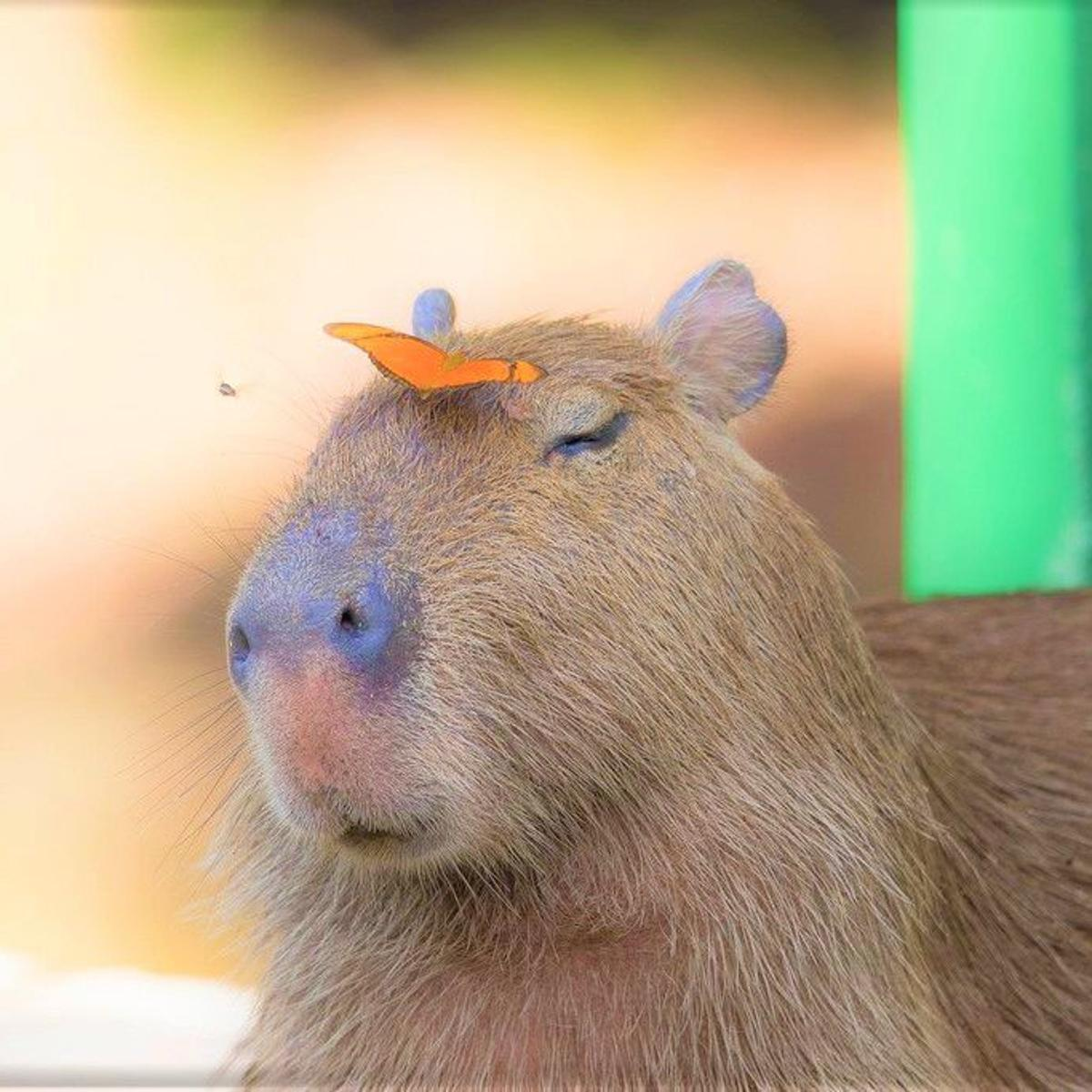
Credit: mikeallegra.com
Why Capybara Day Matters
Celebrating Capybara Day isn’t just fun—it has real benefits:
- Education: People learn about capybara behavior, care, and conservation needs.
- Wildlife protection: Events often raise money or support for wetland conservation.
- Community building: Fans connect over their shared love of capybaras.
- Cultural exchange: Different countries share traditions and stories.
A key insight is that Capybara Day helps people realize the link between these animals and healthy wetlands. Capybaras are “ecosystem engineers”—their grazing shapes plant growth and provides food for other animals.
How To Get Involved
If you want to join Capybara Day celebrations, you have many options:
- Visit a local zoo and attend capybara talks or feedings.
- Post photos or facts online using the hashtag #CapybaraDay.
- Support wildlife charities that protect capybara habitats.
- Read books or watch documentaries about capybaras.
- Start a small community event, like a capybara-themed art show or school project.
You don’t have to live in South America to enjoy Capybara Day. Anyone can join in and help spread awareness.

Credit: www.reddit.com
Frequently Asked Questions
When Is Capybara Day Celebrated?
Capybara Day is celebrated every year on October 10. It’s a global event for animal lovers and wildlife supporters.
Why Was October 10 Chosen For Capybara Day?
The date highlights the start of the active capybara season and aims to raise awareness about protecting these animals and their habitats.
How Can I Celebrate Capybara Day If I Don’t Live Near Capybaras?
You can join online campaigns, support wildlife organizations, or learn more about capybaras through books and videos.
Are Capybaras Endangered?
Capybaras are not endangered, but their habitat is at risk in some areas. Supporting wetland conservation helps them and many other species.
Where Can I Find More Information About Capybaras?
For more detailed information, you can visit the Wikipedia page on Capybaras.
Capybara Day is a wonderful chance to celebrate one of the world’s most interesting animals. Mark your calendar for October 10, join the fun, and help protect these gentle giants for future generations.


