

Capybaras are fascinating animals that have captured attention around the world. Known as the world’s largest rodents, their gentle nature and unique social habits make them stand out. But where exactly do capybaras live? Many people imagine them only in South American jungles, but their range and habitats are more diverse than most people realize.
Understanding where capybaras can be found helps us appreciate their adaptability and the challenges they face today.
Capybaras’ Natural Range In The Wild
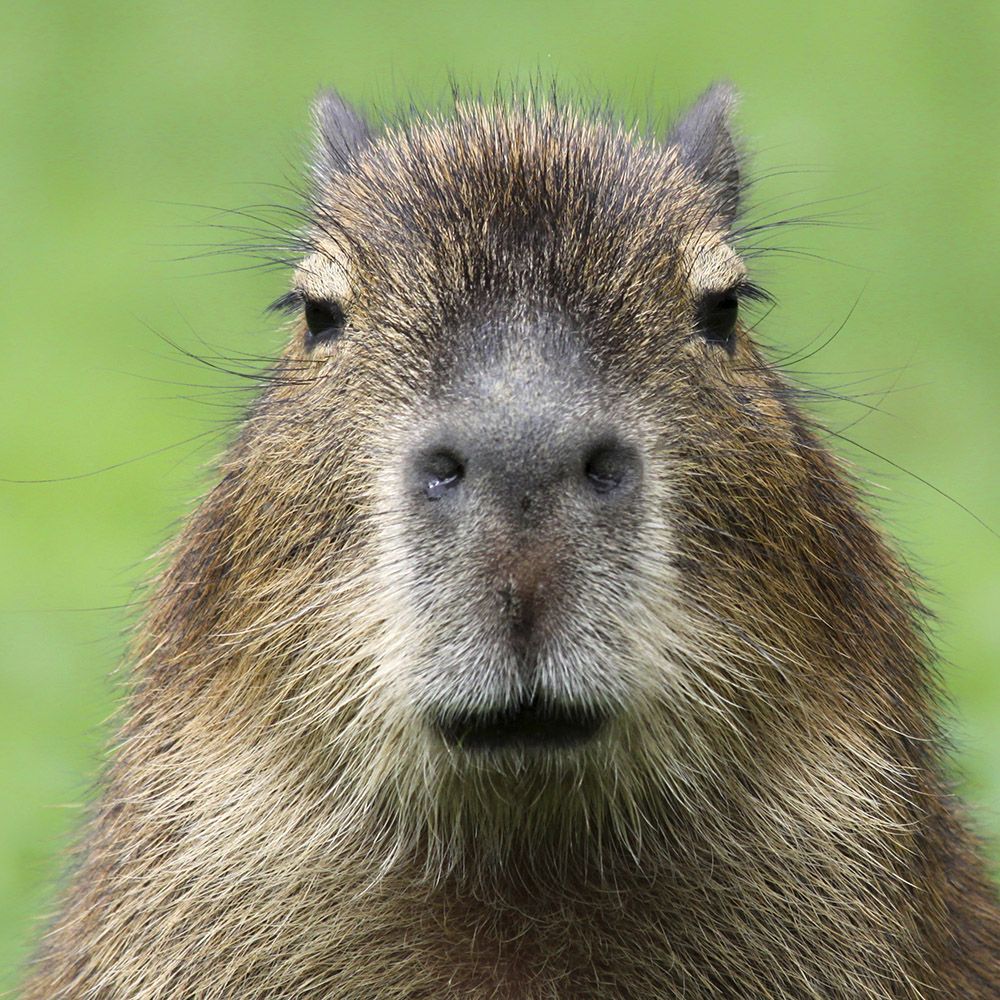
Capybaras are native to South America. Their natural range spreads across many countries, mostly in regions with access to water. Capybaras depend on water for safety, food, and even to regulate their body temperature.
Main Countries Where Capybaras Live
- Brazil – Home to the largest population of capybaras. They live in wetlands, riverbanks, and marshes.
- Venezuela – Especially common in the Llanos, a vast tropical grassland.
- Colombia – Found along rivers and in forested wetlands.
- Argentina – Present in the north and central parts, near lakes and slow rivers.
- Paraguay – Thrive in the Pantanal region, which is rich in water.
- Uruguay – Found in lowland areas and along waterways.
- Peru – Limited populations near the Amazon basin.
Some capybaras are also present in parts of Ecuador, Bolivia, Guyana, and French Guiana, but in smaller numbers.
Typical Habitats
Capybaras are semi-aquatic mammals. Their favorite habitats include:
- Swamps
- Marshes
- Flooded grasslands
- Riverbanks
- Lakeshores
They avoid deep forests and deserts. Capybaras need open areas for grazing and water bodies for swimming and hiding from predators.
A Quick Comparison: Capybara Population Density By Country
Here’s a simple look at the estimated capybara populations in their main countries:
| Country | Estimated Population |
|---|---|
| Brazil | Over 2 million |
| Venezuela | Approx. 500,000 |
| Argentina | Approx. 300,000 |
| Colombia | Approx. 250,000 |
| Paraguay | Approx. 150,000 |
These numbers are only estimates because wild populations can be hard to count.
Capybaras Living Outside Their Native Range
In the last few decades, capybaras have been found outside South America. This is mostly due to escapes from zoos or private collections. Some of these populations have even become established.
United States
Capybaras do not naturally live in the wild in North America. However, there have been sightings in Florida and Texas. In Florida, the climate and wetlands are similar to their native habitats. Small groups escaped from captivity and survived in the wild. Today, these populations remain small but show that capybaras can adapt well.
Japan
Japan has a unique relationship with capybaras. While not wild, capybaras are popular in zoos and animal parks. The country even has hot spring baths for capybaras to enjoy during cold weather. They are not allowed to roam free, but their presence in public parks is a major attraction.
Europe
Some European zoos keep capybaras, and a few have escaped into the wild. There are reports of small wild populations in Italy and France. However, these groups are not large and do not spread far due to the colder climate.
Comparison: Wild Vs. Introduced Populations
| Region | Status | Population Size |
|---|---|---|
| South America | Native | Millions |
| Florida (USA) | Introduced | Dozens to hundreds |
| Japan | Captive | Thousands (zoos only) |
| Europe | Introduced | Very small |
Credit: www.rainforest-alliance.org
Capybaras In Captivity
Capybaras are found in many zoos and wildlife parks around the world. Their friendly nature and unique look make them a favorite for visitors. In captivity, capybaras need:
- Access to water for swimming
- Space to move and graze
- Companionship (they are social animals)
Some people try to keep capybaras as pets, but this often leads to problems. Capybaras require special care, a large outdoor space, and water. Most experts do not recommend capybaras as pets for beginners.
Where To See Capybaras
If you want to see a capybara, you have several options:
- Zoos – Most major zoos in North America, Europe, and Asia have capybaras.
- Wildlife parks – Some parks offer more natural environments.
- Wild in South America – The best way to see capybaras in their natural habitat is by visiting the Pantanal in Brazil or the Llanos in Venezuela.
A notable example: the Izu Shaboten Zoo in Japan is famous for its capybara hot springs.
Why Capybaras Live Where They Do
Capybaras are highly adapted to wet environments. They eat mostly grasses and aquatic plants, so they need open fields near water. Their webbed feet help them swim, and their eyes and ears sit high on their heads so they can stay mostly underwater.
During the dry season, capybaras stay close to permanent water sources. In the rainy season, they spread out over flooded areas. This lifestyle means they are rarely found far from water.
Common Mistakes About Capybara Locations
Many people think capybaras live in jungles or deep forests. In fact, they avoid thick forests because there is less food and open water. Another mistake is believing they are only found in Brazil. While Brazil has the most capybaras, their range covers much of South America.
Some believe capybaras can be found anywhere with water, but they do not live in the Amazon rainforest’s deepest parts or in the Andes mountains.
Credit: www.reddit.com
Threats And Conservation
Capybaras are not endangered, but their habitats are under threat. Expansion of farms, pollution, and hunting can reduce their numbers. In some areas, people hunt capybaras for meat or leather. However, in countries like Brazil and Argentina, laws protect capybaras and their habitats.
Capybaras are also important for their ecosystems. They help keep plants in check and provide food for predators like jaguars, anacondas, and caimans.
Quick Look: Main Threats
| Threat | Impact |
|---|---|
| Habitat loss | Reduces living space |
| Hunting | Population declines in some areas |
| Pollution | Water quality affects health |
Frequently Asked Questions
Where Are Capybaras Most Commonly Found?
Capybaras are most common in Brazil, especially in the Pantanal wetlands and along rivers. They also live in Venezuela, Colombia, Argentina, and Paraguay.
Can Capybaras Live In Cold Climates?
Capybaras prefer warm, tropical climates. They do not survive well in cold areas. In colder countries, they only live in zoos or as pets with special care.
Are Capybaras Found In The Wild Outside South America?
Yes, but only in small introduced populations. Examples include escaped groups in Florida (USA) and a few in Europe. These populations are tiny compared to their native range.
Do Capybaras Live In The Amazon Rainforest?
Capybaras live near the edges of the Amazon, especially where there are rivers and open grasslands. They do not usually live deep inside dense rainforest.
How Can I See A Capybara In The Wild?
The best places are the Pantanal in Brazil or the Llanos in Venezuela. Guided tours are available to spot capybaras and other wildlife. For more details, visit the Wikipedia page on Capybaras.
Capybaras are a remarkable example of how animals can adapt to water-rich environments. Their presence in both wild and managed settings shows their resilience but also the need for careful conservation. If you ever get the chance to see a capybara, whether in the wild or a zoo, you’ll understand why they capture so much curiosity worldwide.

Credit: www.reddit.com


