

If you are searching for where you can buy a capybara in Texas, you are not alone. Many animal lovers are drawn to these gentle, giant rodents. Their calm nature, unique look, and social habits make them popular as exotic pets.
But before you decide to bring a capybara home, there are important things to understand. This guide will walk you through where to find a capybara, what to check for, the legal side, costs, and care needs in Texas.
Understanding Capybaras As Pets
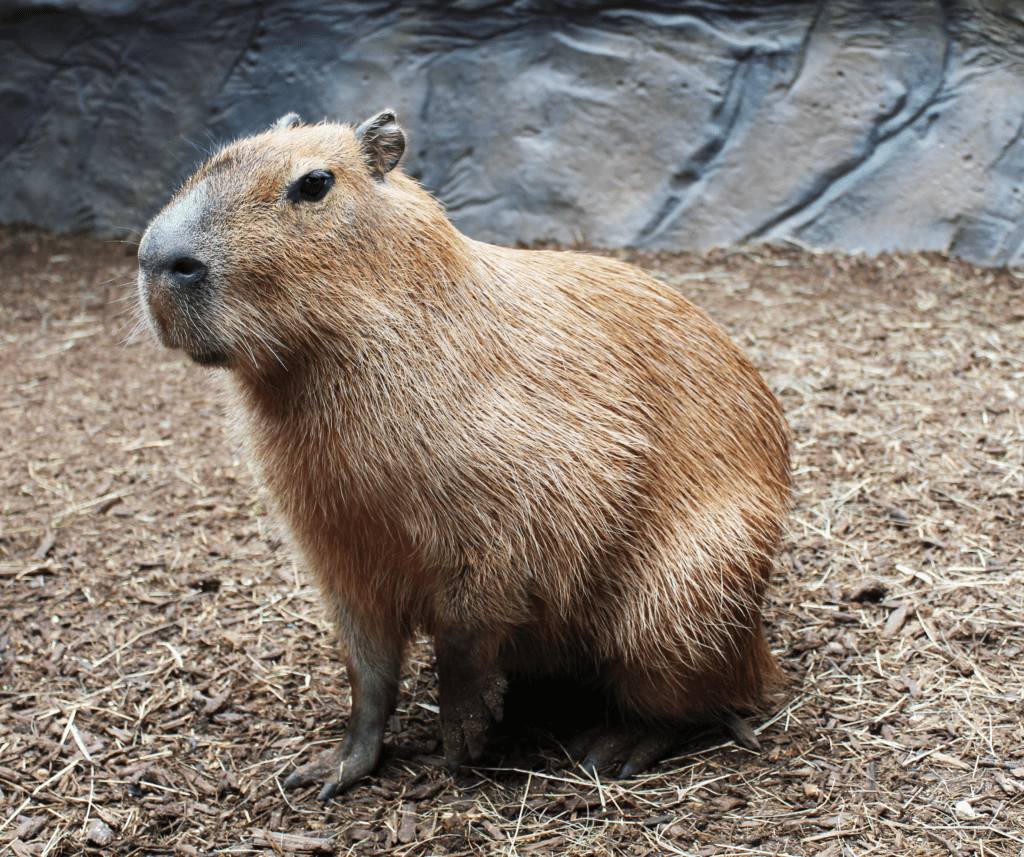
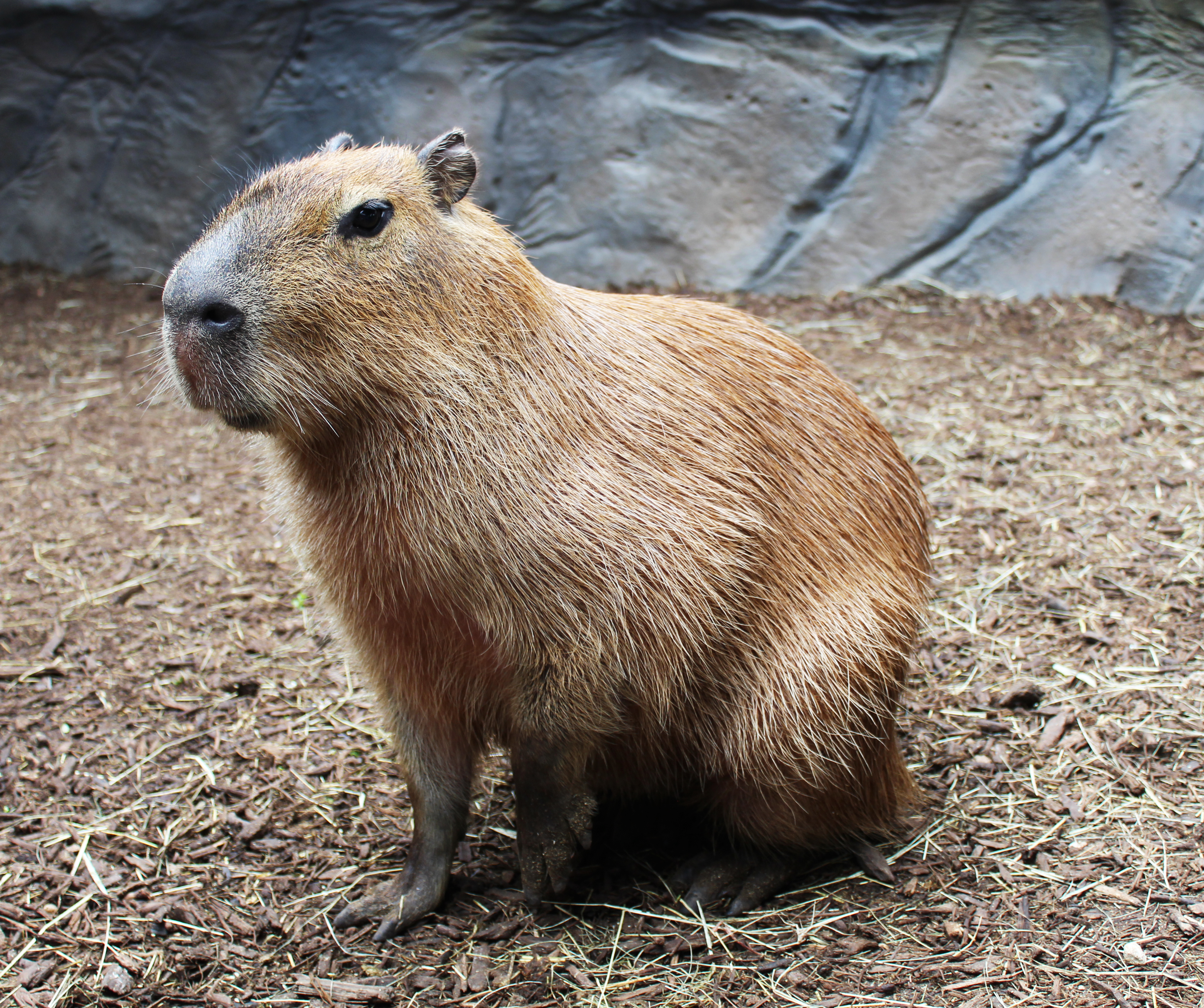
Capybaras are the world’s largest rodents. They can weigh between 77 and 146 pounds when fully grown. They are semi-aquatic and need plenty of water for swimming and cooling off. Capybaras are also social animals. They do best in pairs or small groups.
One thing new owners often miss: capybaras are not like dogs or cats. They need a lot of space, a pool, and careful attention to their diet. If you are not ready for this commitment, a capybara may not be the right pet.
Is It Legal To Own A Capybara In Texas?
Texas is one of the few states where owning a capybara is allowed, but there are rules. Laws can vary by city or county. In some cities, you might need a special permit or license. In rural areas, rules are sometimes less strict.
Before you buy, always check with:
- Your city animal control office
- Your county government
- A local exotic animal vet
Never assume you can keep a capybara just because someone else in Texas has one. Fines for illegal ownership can be high, and animals may be taken away.
Credit: www.awsfzoo.com
Where Can You Buy A Capybara In Texas?
Finding a capybara for sale in Texas is possible, but not always easy. You should look for reputable breeders or licensed exotic animal farms. Here are some of the main options:
1. Registered Exotic Animal Breeders
These breeders specialize in capybaras and similar animals. They usually have the right permits and know how to keep animals healthy. Buying from a registered breeder means you can ask questions about health, age, and socialization.
2. Exotic Animal Farms And Ranches
Some ranches in Texas raise capybaras for sale. They may also have other animals like wallabies or kangaroos. Always ask if they are licensed and if the animals are bred in captivity, not taken from the wild.
3. Animal Expos And Exotic Pet Shows
Texas hosts several animal expos each year. Sometimes, breeders bring capybaras for sale. Make sure to ask for paperwork and health records before buying.
4. Online Exotic Animal Marketplaces
Websites sometimes list capybaras for sale. Be careful: not all sellers are trustworthy. Never send money before seeing the animal or confirming the seller’s credentials.
Here’s a quick look at how these sources compare:
| Source | Pros | Cons |
|---|---|---|
| Registered Breeder | Healthy animals, paperwork, expert support | Higher price, waiting list possible |
| Exotic Animal Farm | See animals on site, multiple choices | Quality varies, may not specialize in capybaras |
| Pet Show/Expo | Meet breeders, compare options | Limited availability, impulse buying risk |
| Online Marketplace | Convenient, find sellers statewide | Scams, hard to check animal health |
What To Check Before Buying
It’s important to make sure you are buying a healthy capybara. Ask the seller for:
- Health certificates from a vet
- Proof of legal breeding (not wild-caught)
- Vaccination and deworming records
If the seller cannot provide these, look elsewhere. Healthy capybaras have clear eyes, smooth fur, and should be active but calm. Avoid animals that look sick or stressed.
A common mistake is buying a single capybara. They are social and need company. Consider getting at least two, unless you can give them lots of attention every day.
.webp)
Credit: www.thedunhamfarm.com
Capybara Price And Ongoing Costs In Texas
The price of a capybara in Texas can range from $1,000 to $4,000. The cost depends on the breeder, age, and health of the animal. But buying the animal is just the start.
Here’s a summary of costs:
| Item | Estimated Cost (USD) | Notes |
|---|---|---|
| Capybara (purchase) | $1,000 – $4,000 | Per animal |
| Outdoor enclosure | $1,500 – $5,000 | Fencing and shelter |
| Swimming pool/pond | $500 – $3,000 | Essential for health |
| Food (yearly) | $400 – $800 | Hay, pellets, veggies |
| Vet care (yearly) | $200 – $600 | Exotic animal vet |
| Permits/fees | $50 – $200 | May vary by location |
Unexpected costs, like emergency vet visits, can be much higher. Always plan for extra expenses.
Preparing Your Home For A Capybara
Capybaras need a safe, roomy outdoor space. A typical backyard is often too small. They need:
- Secure fencing at least four feet high
- A large pond or pool for swimming
- Shelter from heat and cold
- Shade and grass for grazing
Capybaras can chew through weak fences. Use strong wire or wood, and check for escape routes. They also need water deep enough to cover their bodies.
One thing many owners forget: capybaras can get lonely and bored. They need daily time with their human family or other capybaras. Without this, they may develop bad habits or health problems.
Texas Examples: Where People Bought Their Capybaras
Several Texas breeders have sold capybaras in the past. For example, Kapi’yva Exotics (in Central Texas) and Janda Exotics Animal Ranch (near Austin) have offered capybaras, but availability changes. Always contact breeders directly and ask for recent reviews.
Some buyers have also found capybaras through Texas Exotic Animal Auctions. But auctions can be risky. There is less time to check health and background.
If you want the most up-to-date list of breeders, check with the Texas Exotic Animal Association or join local capybara owner groups online.
Capybara Care: What Most People Miss
Owning a capybara is a big commitment. Here are two things beginners often miss:
- Capybaras need social bonds. If they are alone, they get stressed or depressed.
- Capybaras can live 8-12 years. This is a long-term responsibility.
Also, capybaras can be noisy, especially in the early morning. Neighbors may complain if your setup is not right.
Finally, finding a vet who treats capybaras can be hard in Texas. Check for a local exotic animal vet before you buy.
Credit: www.awsfzoo.com
Frequently Asked Questions
Can I Keep A Capybara Inside My House?
Capybaras are not good indoor pets. They need space, water, and grass. Keeping them inside can harm their health and happiness.
Do I Need A Permit To Own A Capybara In Texas?
In many Texas cities, yes. Permits and rules change by location. Always check with your local animal control office before buying.
Are Capybaras Dangerous?
Capybaras are usually gentle, but they are still large wild animals. They can bite if scared or unhappy. Children should always be supervised.
Where Can I Find A Capybara Vet In Texas?
Not all vets treat exotic animals. Search for “exotic animal vet Texas” or ask breeders for recommendations. Plan ahead—emergencies can happen.
What Do Capybaras Eat?
Capybaras eat hay, fresh grass, vegetables, and special rodent pellets. They need a lot of fiber. Avoid sugary or fatty foods.
For more on capybaras and their care, you can check resources like the Wikipedia Capybara page.
Welcoming a capybara into your Texas home is a big step. Make sure you are prepared, legal, and ready for the responsibility. With the right setup and knowledge, capybaras can be wonderful companions for those who understand their needs.


