

Welcoming a pet into your home is always special, but some people dream bigger than a dog or cat. Capybaras, the world’s largest rodents, have become famous online for their calm personalities and adorable faces. But owning a capybara is not as simple as buying a hamster. Laws are strict, care is demanding, and the places where you can legally own one are limited. If you’re curious about where you can own a capybara, this guide will clear up the rules, risks, and realities.
Where Is It Legal To Own A Capybara?
Legality changes by country, state, or even city. In some places, capybaras are seen as exotic pets with few rules. In others, they are banned or highly regulated.
United States
The rules for owning a capybara in the U.S. vary a lot. Some states allow ownership with few restrictions, while others ban them completely.
| State | Capybara Legal Status | Permit Needed? |
|---|---|---|
| Texas | Legal | No |
| Florida | Legal | Yes |
| California | Illegal | N/A |
| New York | Illegal | N/A |
| Ohio | Legal | Yes |
Texas is popular for exotic pets, and capybaras are allowed without a special permit. Florida requires a permit from the Fish and Wildlife Conservation Commission. In California and New York, you cannot own a capybara as a pet under any circumstance.
Some states, like Pennsylvania and Georgia, have rules that change by county or city. Always check with local animal control before bringing a capybara home.
Canada
In Canada, the rules are mostly set by provinces. Capybaras are legal in British Columbia and Ontario, but banned in Alberta. Cities may have their own bans, so check city bylaws too.
United Kingdom
The UK classifies capybaras as exotic pets. You don’t usually need a permit, but you must provide proper care. Some local councils might restrict ownership, especially in rented homes.
Other Countries
- Australia: Capybaras are not allowed as pets.
- Japan: Capybaras are legal and even popular in some regions.
- Brazil: Wild capybaras are common, but permits are needed to keep them as pets.
What You Need To Know Before Owning A Capybara
Housing And Space
Capybaras are semi-aquatic and need lots of space. They can reach up to 140 pounds and need a large yard with a pool. Most experts recommend at least 400 square feet per animal.
| Requirement | Details |
|---|---|
| Minimum Yard Size | 400 sq ft per capybara |
| Water Source | Pond or pool, 3 feet deep |
| Shelter | Weatherproof, dry area |
Many capybaras get stressed in small or indoor spaces. A common mistake is thinking they can live like a guinea pig. They need outdoor access and love to swim.
Social Needs
Capybaras are herd animals. Owning just one can cause loneliness and depression. Experts recommend keeping at least two capybaras together. If you only want one, plan to spend hours with it daily.
Diet
Capybaras eat mostly grass, hay, and vegetables. They need a high-fiber diet, and some owners grow fresh grass or buy special pellets.
- Main food: Timothy hay, orchard grass
- Fresh veggies: Carrots, lettuce, squash
- Water: Always fresh, for drinking and swimming
They can develop health problems if fed like a dog or cat. Their teeth keep growing, so chewing rough food is a must.
Veterinary Care
Not all vets will see capybaras. Find an exotic animal vet before you buy one. Capybaras can suffer from foot problems, vitamin deficiencies, and parasites.
Vet bills may be higher than with common pets. Annual checkups and emergency care are important.

Credit: www.thedunhamfarm.com
Risks And Responsibilities
Owning a capybara is a big commitment. They can live 8–12 years, need daily care, and may show aggressive behavior if stressed.
- They can bite if scared or handled roughly.
- Capybaras need regular baths and pool cleaning.
- Zoning laws may change, making ownership illegal.
If a capybara escapes, it may be taken by animal control or cause trouble in the neighborhood.
Common Mistakes To Avoid
- Ignoring local laws – Some people buy a capybara before checking rules.
- Keeping one capybara – Solitary capybaras get sick or anxious.
- Skipping water features – Without swimming, they become unhealthy.
- Expecting a low-maintenance pet – Capybaras take much more work than rabbits or guinea pigs.
Many beginners also miss the cost factor. Building secure fences, pools, and buying special food can be expensive.

Credit: a-z-animals.com
How To Find A Capybara Legally
If you live where it’s legal, buy only from licensed breeders or rescue centers. Avoid illegal imports or “backyard” sellers. A healthy capybara costs $1,000–$3,000.
Check for:
- Health certificates
- Microchipping (some states require this)
- References from previous buyers
Be wary of scams. Some websites offer capybaras for cheap, but they may be fake.
Is Owning A Capybara Right For You?
Capybaras are not for everyone. They are intelligent and gentle but need serious time, money, and space. If you can meet their needs, they can become loyal companions. But for most people, visiting a capybara at a zoo or sanctuary is a better choice.
If you want to see more about capybara care and legal status by location, check out this Wikipedia page for more details.
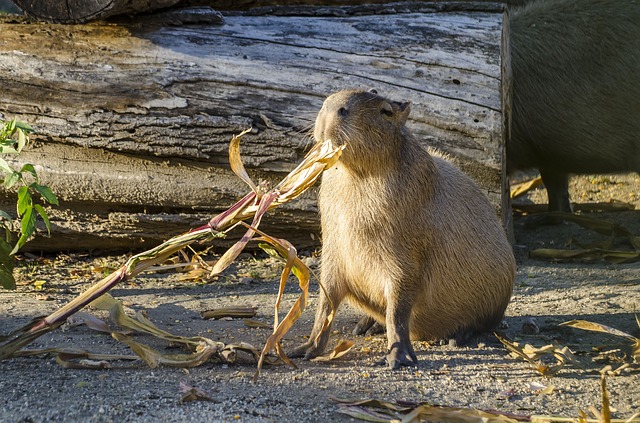
Credit: capybarafacts.com
Frequently Asked Questions
Can I Keep A Capybara In An Apartment?
No, capybaras need lots of space and a pool. Keeping one in an apartment is unhealthy and usually illegal.
How Much Does It Cost To Own A Capybara?
Initial costs can be $1,000–$3,000 for the animal. Building a proper habitat and ongoing food and vet bills add thousands more each year.
Are Capybaras Dangerous?
Capybaras are mostly gentle but can bite if scared or mistreated. They are large and strong compared to most pets.
Do Capybaras Get Along With Other Animals?
They can get along with some pets like dogs, but there is always risk. Supervise all interactions and introduce slowly.
What Do I Do If My City Bans Capybaras After I Own One?
If laws change, you may need to give up your pet or move. Always stay updated on local regulations to avoid problems.
Owning a capybara is rewarding but challenging. Make sure you research, prepare, and follow all local laws to ensure a happy life for you and your capybara.


